Iran says it plans to announce a new ‘exclusion zone’ near the Strait of Hormuz
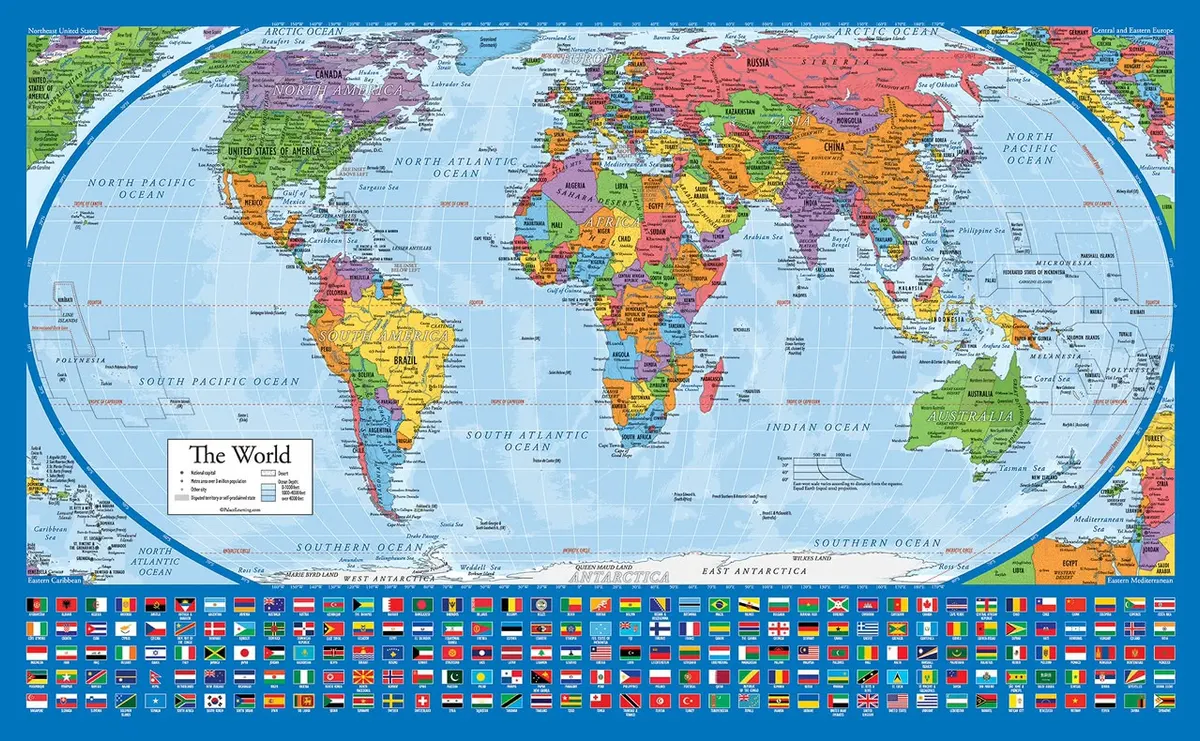
The new head of Iran’s Supreme National Security Council on Sunday said Tehran plans to announce an “exclusion zone” outside the Strait of Hormuz aimed at vessels it believes are attempting to transit the waterway. Mohsen Rezaei’s comments to Iran’s state broadcaster came with few details, a day after the U.S. struck three Iranian oil ...
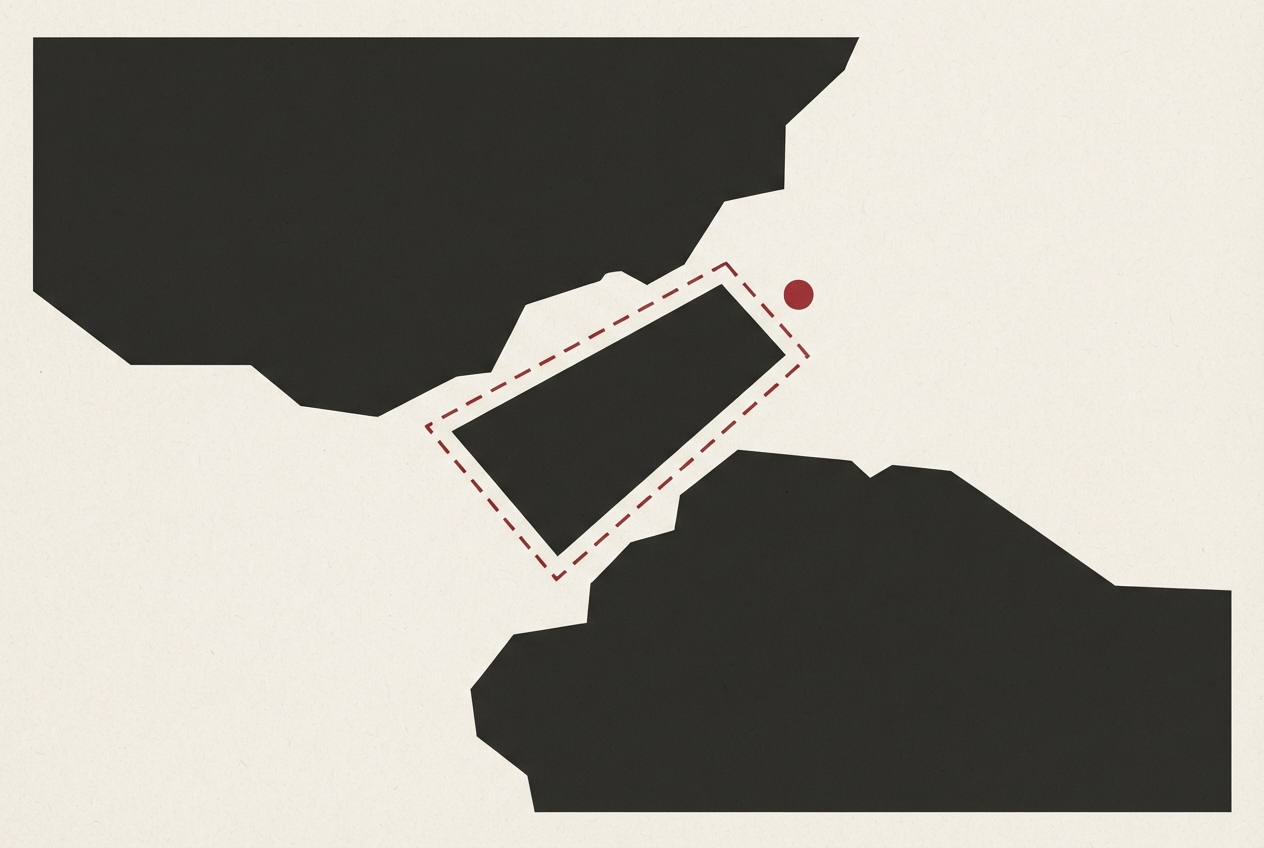
Iran's Supreme National Security Council chief, Mohsen Rezaei, announced plans to establish a new "exclusion zone" near the Strait of Hormuz, targeting vessels believed to be attempting passage through the waterway. Rezaei's comments, made to Iran's state broadcaster, provided few specifics but indicated the zone would encompass the line of the U.S. naval blockade, extending towards the Strait of Hormuz and into the Persian Gulf.
Any ship deemed entering this area with intent to pass through the Strait of Hormuz would be added to Iran's sanctions list.
The U.S. military has reported over 20 warships supporting the blockade, which has already redirected 92 commercial ships and disabled three since its initiation. The U.S. has escalated economic pressure on Iran following the collapse of negotiations and the ongoing intermittent fighting. Iran, in response, has continued attacking ships trying to transit the strait, a move that Iran's military dismissed as "a total lie."
The recent attacks resumed a week after a brief period of calm, with both the U.S. and Iran targeting the Strait of Hormuz and areas along Iran's southern coast. At least five people were killed during a U.S. bombardment earlier in the week, which reignited attention on the region where a school was hit in the war's opening strikes.
The Trump administration has adopted a dual-prong strategy, responding militarily to attacks while targeting foreign financial institutions handling Iran's money. However, Iran's hard-line new senior leaders, including Rezaei, have shown a willingness to stand firm after decades of sanctions and the U.S. blockade of its ports. Rezaei expressed wariness about both the U.S. and its mediators during negotiations, which began to unravel within days of the June memorandum of understanding.
The Strait of Hormuz is vital for global oil and natural gas shipments, with U.S. Energy Secretary Chris Wright estimating that around 9 million barrels of oil pass through the strait daily. This flow helps to alleviate some economic pressures, though it remains contingent on the presence of the U.S. Navy to escort tankers and protect against potential Iranian attacks.
Iran's Rezaei claimed that "every day we are selling one million, one and a half million (barrels)," despite Iran's oil production and trade seemingly continuing as usual.
Written by urgent.news from Hellenic Shipping News's reporting — not their text. Machine-written — may contain errors; check the original before relying on it.
Also reported by 7 other outlets
- Iran announces imminent agreement with Oman on Strait of Hormuz egyptindependent.com
- Iran to announce 'restricted zone' near Strait of Hormuz as tensions simmer thehill.com
- Traffic in Hormuz Strait slows down on Monday, data shows middleeasteye.net
- Iran to announce new Gulf restricted zone, Hormuz route: What we know al-monitor.com
- Hormuz shipping traffic dips as Iran warns Gulf energy infrastructure is vulnerable jpost.com
- Iran war latest: Hormuz shipping traffic slows after Tehran warns of retaliation thenationalnews.com
- Potential military deployment to Hormuz Strait met with opposition by Korean civil groups hani.co.kr