How much protein do you need – and can you get enough from plants?
Your protein needs change with age and activity. A dietitian explains how plant proteins measure up and what to consider when reduced appetite or busy schedules get in the way.
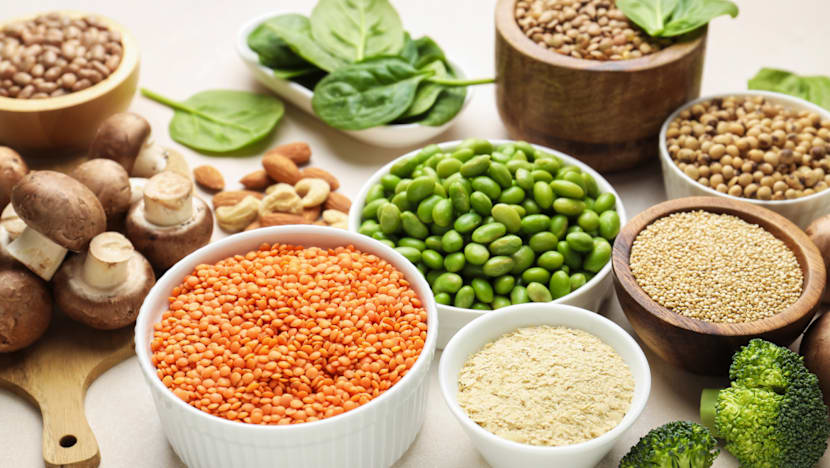
Protein needs differ based on age and activity levels. Dietitian Ms Ng Poh Mun explains that plant proteins can meet daily requirements, though their amino acid profiles differ from animal proteins. Animal sources like eggs, dairy, meat, and fish provide all essential amino acids, while some plant proteins like soya and quinoa are complete proteins.
Other plant sources include peas, lentils, chickpeas, beans, nuts, and seeds. Consuming a variety of plant proteins throughout the day can provide the necessary range of amino acids. Ms Ng provides an example of a 65kg adult below 50 obtaining around 53g to 59g of protein from meals containing oats, unsweetened soya milk, chia seeds, firm tofu, and lentils or chickpeas.
Plant protein sources also contribute other nutrients like dietary fiber, vitamins, minerals, unsaturated fat, and are cholesterol-free. Products like Kinohimitsu WellSure combine multiple protein sources to offer a balanced range of essential amino acids and additional nutrients like calcium beta-hydroxy-beta-methylbutyrate (CaHMB) and various plant-based ingredients.
For those with busy schedules or challenges in eating enough, a nutritionally balanced drink can help bridge nutritional gaps. Ms Ng advises gradually incorporating more plant-based proteins into one's diet by swapping some animal protein sources in meals for plant alternatives.
Written by urgent.news from Channel News Asia's reporting — not their text. Machine-written — may contain errors; check the original before relying on it.