GLOBAL JOURNEY: Bread & Wine: The loaf and the cup — an origins story (Part One)
The Cape’s wheatlands and vineyards are beautiful, beloved and in trouble. Their story begins thousands of years ago with wild yeast.
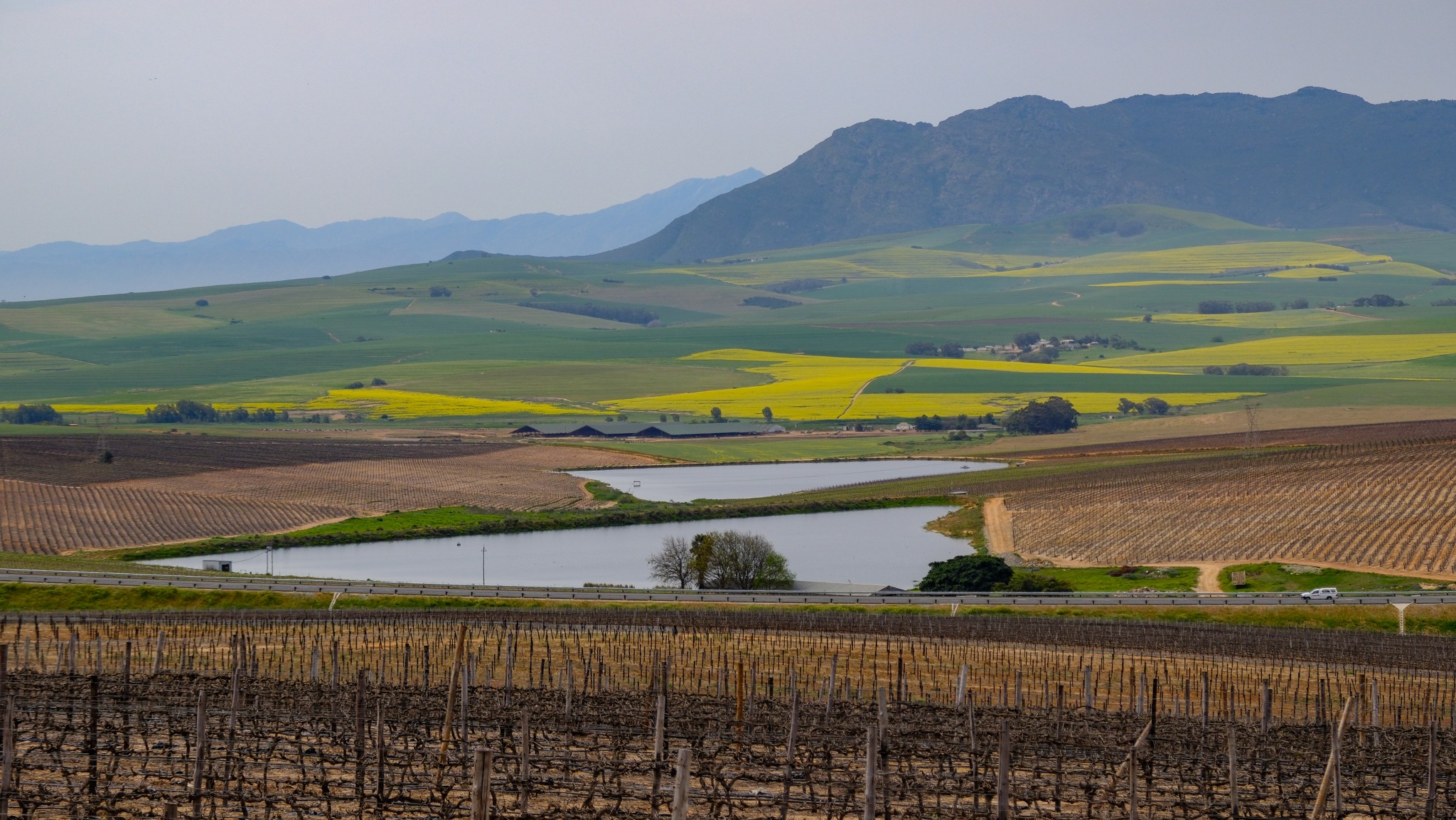
The Cape's wheatlands and vineyards are renowned worldwide, drawing tourists to admire the beautiful scenery. Wheat and grapes thrive in this region, carpeting the land in golden hues during summer and vibrant greens in the hills. While these crops are taken for granted, they are indeed alien species whose widespread cultivation has altered the soil, water, and food supply.
As climate change intensifies, El Niño threatens unprecedented heat and drought, coupled with rising farming costs, the future of wheat and wine farming in the Western Cape hangs in the balance. This series will delve into the lives of the farmers who cultivate these fields and vineyards, examining the impact of this cultivation on the land and the broader food chain. However, before exploring these stories, we must first uncover the origins of bread and wine.
The journey of bread and wine from hunter-gatherer societies to cultivated crops spans thousands of years. Both crops hold immense significance in human civilization, serving as the foundation of our food and pleasure. Their existence can be attributed to a serendipitous encounter with wild yeast, the microbe responsible for fermentation.
In the black basalt desert of northern Jordan, archaeologists discovered charred crumbs of flatbread dating back to 14,400 years ago, predating the deliberate cultivation of seeds by nearly 4,000 years. These early cooks ground wild wheat, barley, and club-rush tubers, mixed the flour with water, and baked it on hot stones, creating a bread that was so delicious it may have spurred the development of agriculture itself.
About 10,000 years ago, in the Fertile Crescent, humans began taming wild grasses such as einkorn and emmer, transforming bread into a staple food source. The Egyptians elevated baking to an art form, allowing dough to ferment overnight with wild yeast, resulting in leavened bread. They baked an array of shapes and flavors and even paid their workers with it. Bread became the daily sustenance of empires, a symbol of sustenance and nourishment.
The origin story of wine is equally ancient and romantic. The earliest chemical traces of grape wine, found in clay jars from Neolithic villages in present-day Georgia, date back to around 6000 BC, roughly 8,000 vintages ago. These traces likely originated from someone leaving a heap of wild grapes in a vessel, where the yeasts naturally present on the grape skins began to work their magic, transforming the sweet juice into wine.
Saccharomyces cerevisiae, the same yeast responsible for both bread and wine, ferments sugar into carbon dioxide and alcohol, creating the gas that lifts the loaf and the alcohol that becomes wine.
Wine, too, has a rich history that intertwines with bread. Wild grapes domesticated in the Caucasus region spread through Mesopotamia and Egypt, while seafaring Phoenicians carried cuttings across the Mediterranean. The Greeks personified wine in the god Dionysus, the Romans in Bacchus, and the Romans' legions planted vineyards across Europe.
Eventually, these crops reached the Cape, becoming far more than mere food. They represent the heart of harvests, feasts, toasts, and sacraments, embodying the transformation of raw nature into something greater through patient cultivation and fermentation.
Written by urgent.news from Daily Maverick's reporting — not their text. Machine-written — may contain errors; check the original before relying on it.