Ghana, Burkina Faso Open New Chapter in Human Capital and Public Sector Cross-Learning
By Sharon Zoe Williams In a bold push to deepen bilateral ties beyond traditional trade and security, Ghana has called for a strategic pivot toward human resource management and institutional cross-learning with neighboring Burkina Faso. Delivering the keynote address at the opening ceremony of the 10th Edition of the HR Café—the first international edition of […]
Ghana and Burkina Faso are embarking on a new chapter in their bilateral relations, focusing on strengthening human resource management and institutional cross-learning. This strategic pivot was highlighted at the opening ceremony of the 10th Edition of the HR Café, an international event held in Ghana. Hon. Nana Oye Bampoe Addo, Deputy Chief of Staff (Administration) at the Office of the President, emphasized that human capital is the key driver of continental productivity.
The two nations share a 500-kilometer border and have been partners in various initiatives, including the Accra Initiative and recent agreements on driver’s licenses, transport, cross-border cooperation, and boundary commissions. Drawing inspiration from Pan-African leaders, Hon. Addo cited Kofi Annan’s statement on Africa’s greatest resource being its human capital, alongside the visions of Dr. Kwame Nkrumah, Thomas Sankara, and Julius Nyerere, who prioritized education to produce nation-builders.
In Ghana, the Reset Agenda under President H.E. John Dramani Mahama has led to significant public sector reforms. These include reducing ministerial appointments from 60 to 23, enforcing a new Code of Conduct for government appointees, and advancing the “Operation Recover All Loot” (ORAL) framework. Technological innovation is also a priority, with the introduction of a secure virtual meeting platform (tiKa), digitization of passport applications, and the use of AI trade valuation platforms.
Burkina Faso, under President H.E. Captain Ibrahim Traoré, is also reforming its public sector. This includes adopting the RELANCE Plan to 2030, maintaining strict fiscal discipline, and constructing strategic facilities such as a national gold refinery.
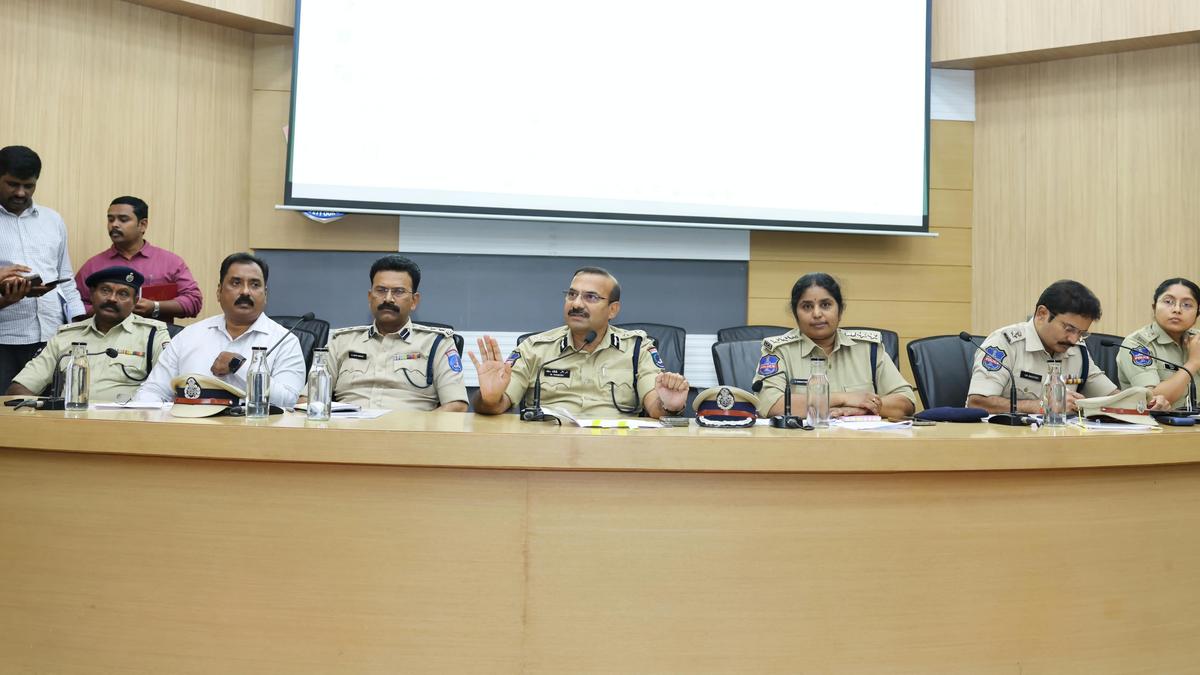
The six-day HR Café conference brings together experts to discuss institutional discipline, digital service delivery, and human capital investment. Alongside conference sessions, scheduled visits to the Ghana Ports and Harbour Authority and local academic and tourist landmarks will provide practical insights into both nations' reform journeys.
Written by urgent.news from GBC Ghana's reporting — not their text. Machine-written — may contain errors; check the original before relying on it.