From dance floor to war: China readies humanoid robots for combat
Two days after the Games ended, the People's Liberation Army's official newspaper drew its own conclusions from the show. The PLA Daily called for researchers to accelerate the transfer of cutting-edge technologies from laboratories to military training grounds for robotic "combatants."
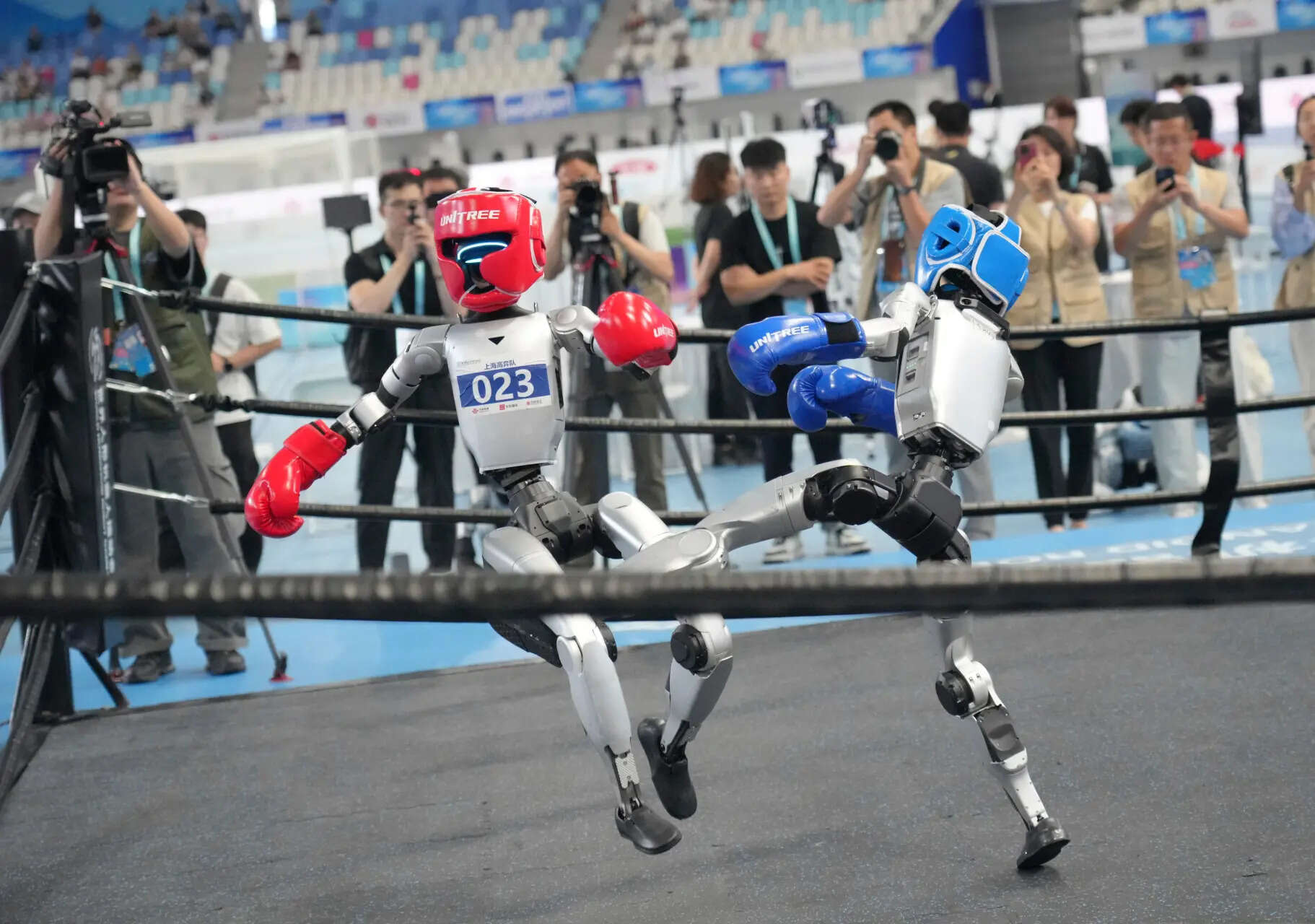
China is rapidly advancing its humanoid robot technology for military purposes, according to recent reports. At the World Humanoid Robot Games, Chinese robots demonstrated impressive skills, including dancing and boxing. Following the event, the People's Liberation Army's official newspaper, PLA Daily, called for accelerated research to transfer advanced technologies from labs to the military.
Military documents and academic studies suggest China is preparing humanoid robots for combat roles. The robots are being tested in various scenarios, including urban warfare and infiltration behind enemy lines. China currently dominates the global humanoid robot market, accounting for about 95% of shipments in 2025. This commercial dominance provides the People's Liberation Army with access to a growing industry while developing its own military applications.
However, the robots remain energy-intensive and unreliable outside controlled demonstrations. Military experts caution that battlefield environments pose many variables that challenge robots' abilities. China's military commentary envisions a range of roles for humanoid robots, from supporting combat to primary combat. In some cases, robots may be authorized to fire on living targets verified by a human.
The U.S. Army is also exploring the use of humanoid robots, launching a competition to develop militarized capabilities for tasks such as reconnaissance and obstacle clearing.
Written by urgent.news from Economic Times Tech's reporting — not their text. Machine-written — may contain errors; check the original before relying on it.
This story
This is one outlet's version. Read the fullest account.