From dance floor to war: China readies humanoid robots for combat
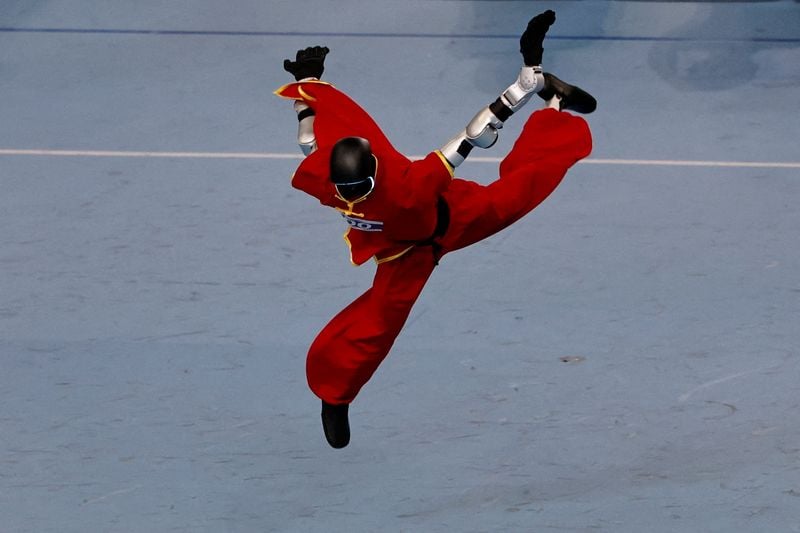
China is rapidly advancing its research and development of humanoid robots for military applications. Last month, robots showcased in the World Humanoid Robot Games demonstrated impressive abilities, including jumping, boxing, and dancing. These technological advancements have caught the attention of the People's Liberation Army (PLA), which is now prioritizing the integration of humanoid robots into combat scenarios.
The PLA Daily, the official newspaper of the PLA, called for accelerated transfer of cutting-edge technologies from labs to military training grounds to create "combatants" in the form of robots. Military institutions are testing these robots' capabilities against battlefield requirements, seeking to acquire robots and technologies to train them, and studying their potential roles alongside human troops.
Chinese manufacturers currently dominate the global humanoid robot market, accounting for about 95% of shipments in 2025. This commercial dominance grants the PLA access to an expanding industry while developing its own military applications. China's endeavors in humanoid robot defense research highlight the rapid evolution of military technologies globally.
The Russia-Ukraine war has demonstrated the transformative power of semi-autonomous drones with AI navigation and targeting, while robots are also utilized to carry supplies and retrieve casualties. Dennis Hong, a professor of mechanical and aerospace engineering at UCLA, emphasized that developing robots for military purposes allows them to be expendable, thereby protecting human lives.
However, China's humanoid robots remain energy-intensive and unreliable outside controlled demonstrations, and battlefield environments pose numerous challenges to their performance.
Written by urgent.news from Investing.com's reporting — not their text. Machine-written — may contain errors; check the original before relying on it.
Also reported by 1 other outlet
- From dance floor to war: China readies humanoid robots for combat economictimes.indiatimes.com