ECB poised for rate hike as Middle East fighting pushes eurozone inflation to three‑year high
FRANKFURT, Sept 7 — The European Central Bank is expected to raise interest rates again this week as renewed fight...
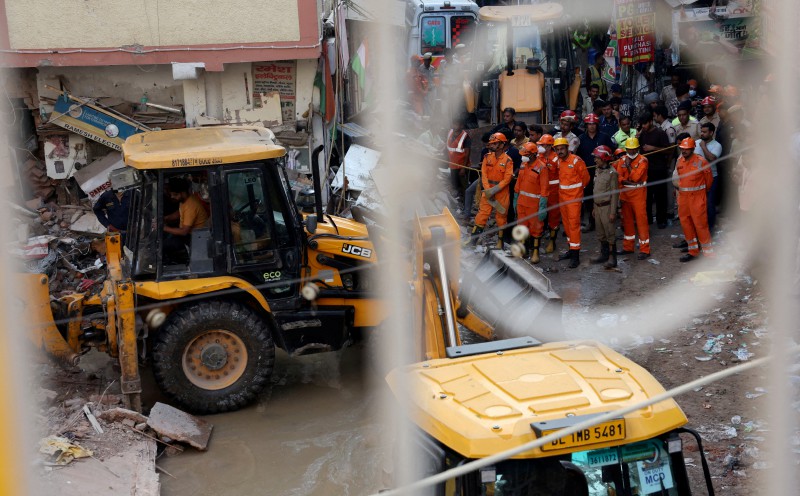
Frankfurt, September 7 — The European Central Bank (ECB) is set to raise interest rates again this week, following heightened fighting in the Middle East that is driving up energy costs and the risk of further inflation. The US-Iran war has recently escalated, resulting in heavy clashes and soaring oil prices, casting doubt on the return of normal energy flows through the Strait of Hormuz.
Inflation in the 21-nation eurozone, which relies heavily on energy imports, reached a three-year high of 3.3% in August, significantly above the ECB's 2% target. With concerns mounting that prices may rise even higher, the central bank is poised to lift its benchmark rate for the second time this year when it meets on Thursday.
Andrew Kenningham, chief Europe economist at Capital Economics, predicts that the ECB governing council will raise its deposit rate from 2.25% to 2.5%. In June, the ECB increased interest rates for the first time since 2023 to combat surging prices, but it paused its hikes in July to assess the impact of the conflict. Both Isabel Schnabel and Joachim Nagel, members of the ECB's rate-setting governing council, have indicated that policymakers will resume rate hikes.
Despite facing many uncertainties, the eurozone economy has performed better than anticipated in the second quarter, providing some flexibility for policymakers to raise borrowing costs without causing significant damage. The ECB will rely on updated growth and inflation forecasts for the coming years to guide its decision, though analysts do not anticipate substantial changes to these projections.
Despite rising inflation, some economists argue that a rate hike is not the appropriate response, citing a lack of evidence for knock-on effects. They contend that higher borrowing costs are unlikely to mitigate the impacts of the current oil supply shock. The surge in prices has been primarily driven by energy, with little indication that inflation is spreading to other parts of the economy.
While higher borrowing costs usually help curb inflation by dampening demand, observers argue that they will have limited effect in this case. For Felix Schmidt, senior economist at Berenberg bank, the ECB is "very worried about being behind the curve" due to its slower response to eurozone inflation during the post-Covid pandemic supply chain issues and the energy shock from Russia's invasion of Ukraine in 2021-2022.
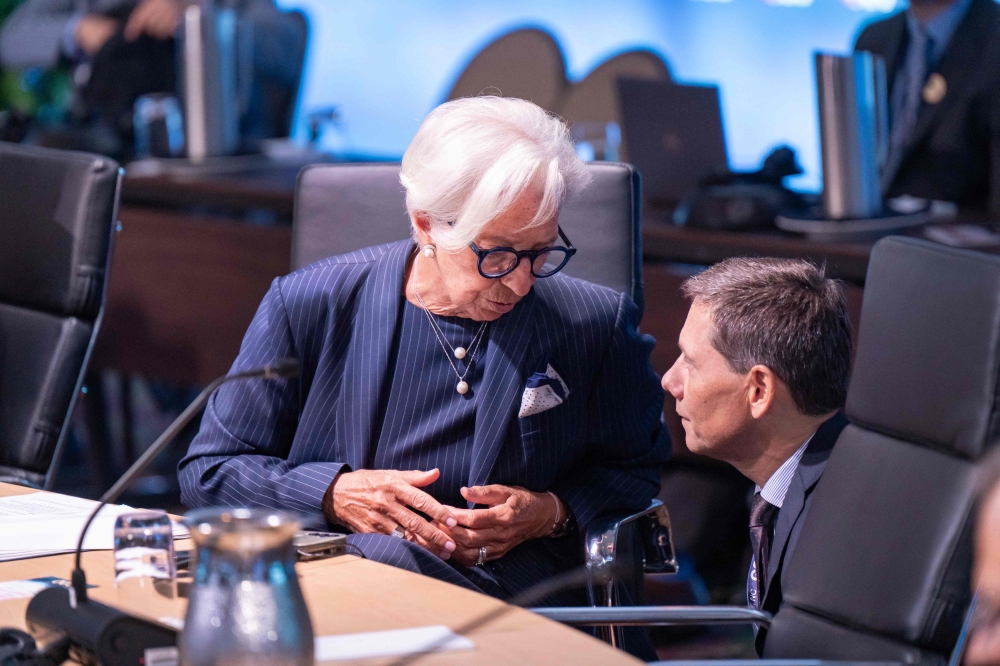
However, most analysts expect the ECB to pause its rate hikes after this week's meeting. ECB President Christine Lagarde is expected to remain tight-lipped at her press conference following the rate decision and emphasize that future decisions will be based on incoming data. ECB council member Nagel, who heads the German central bank, echoed a cautious stance, expressing reluctance to provide guidance on future decisions.
He acknowledged the volatility of oil and gas prices and stressed that the many uncertainties surrounding the situation make meeting-by-meeting approach a reliable strategy in monetary policy.
Written by urgent.news from Malay Mail's reporting — not their text. Machine-written — may contain errors; check the original before relying on it.