Así se protegen las colecciones especiales de ropa de los famosos
Es importante conocer los derechos preexistentes tanto del artista como de la marca. Los contratos incorporan mecanismos de gobernanza y resolución de disputas Leer
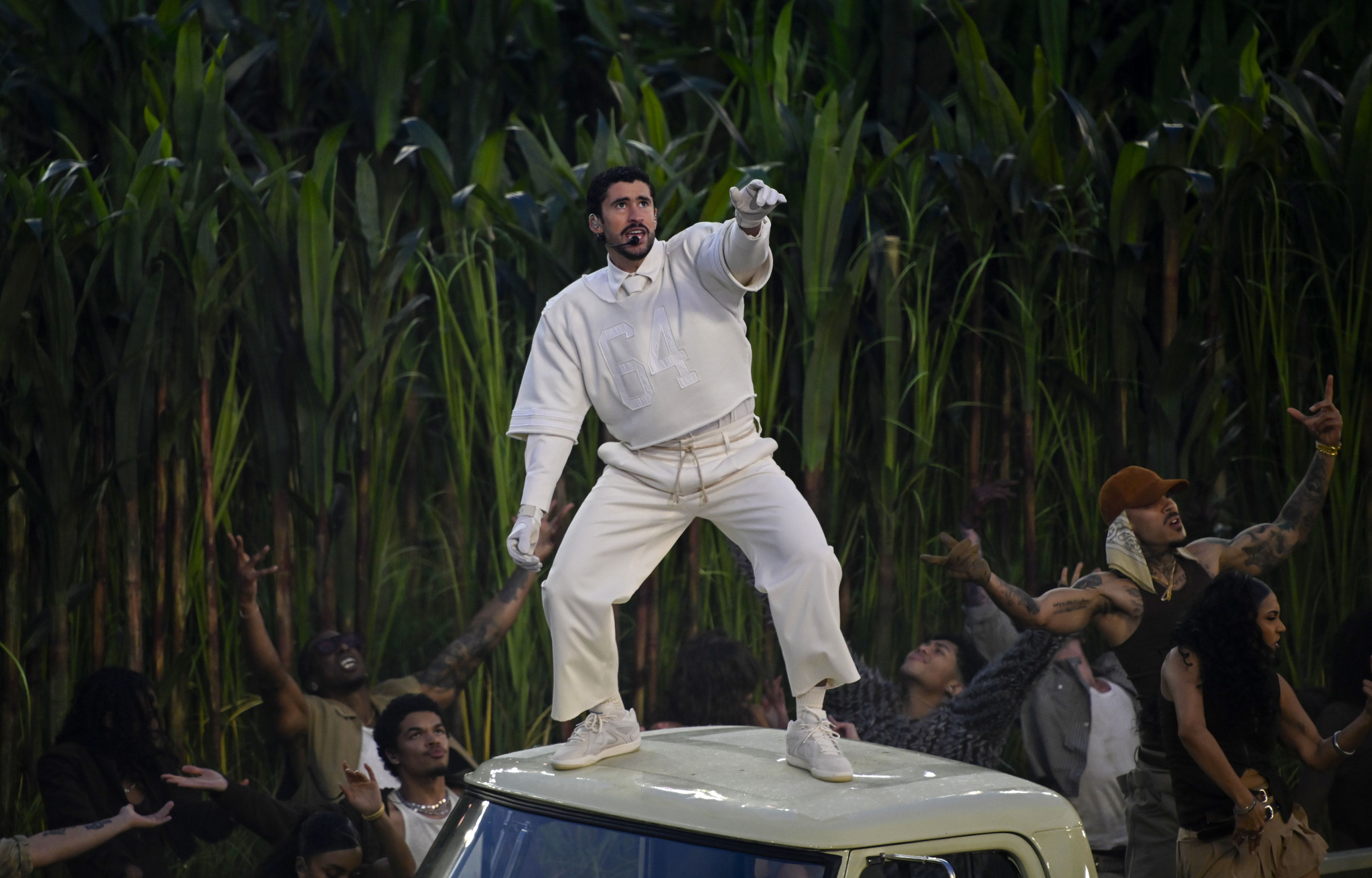
Protegiendo the special fashion collections of celebrities requires understanding pre-existing rights for both the artist and the brand. Contracts incorporate governance mechanisms and dispute resolution methods. When Bad Bunny appeared on the Super Bowl stage and later on his world tour wearing designs from Inditex, the message was clear: fashion and music are now intertwined industries that mutually exploit their global impact.
What began as capsule collections has become an unbreakable trend. However, after these launches, how do you legally protect both the musical artist and the fashion brand?
Juan Carlos Guerrero, a partner at Ecija specializing in intellectual property (IP), technology, and media & telecom (TMT), emphasizes that success depends not only on design but also on preventative safeguards. To begin, one must distinguish three major elements: rights of image, regulating how an artist's physical appearance, name, or signature is used; industrial property, linked to trademark registrations; and intellectual property, associated with copyright rights on creativities and designs.
In the case of trademarks, it's common for the result to be registered by one party, with no prejudice to granting rights to both during the collaboration's duration. Upon the relationship's end, possibilities vary from the ownership staying with the artist, the brand, or agreeing it cannot be used by either party. Additionally, there's the sell-off period, allowing the company to commercially exploit leftover stock from the collection for a limited time.
The complexity arises in determining ownership of rights over the creations themselves. An artist may wish to continue developing a certain style or elements incorporated into the collection, while the brand may want to continue exploiting parts of the designs. Clearly regulating where the boundaries lie ensures both parties can carry out their activities separately without harming the resulting outcome, according to Guerrero.
This issue becomes especially relevant as artists often don't limit their collaborations to a single brand. Therefore, it's crucial to agree on clear regimes of indemnity and responsibility derived from potential rights infringement. Rights of image also play an important role, as the brand aims to maintain exclusivity with the artist.
This should be time-limited and applied to specific products, with clear durations and product applications. Incorporation of elements previously belonging to the artist, such as song lyrics, melodies, or recognizable symbols, always requires the author's authorization for exploitation. In such cases, non-exclusive usage licenses are resorted to.
Moreover, when a preexisting element is modified for incorporation into a new creation, the right of transformation comes into play.
Once again, the challenge lies in determining who will be the owner of the resulting rights, how long they can be used, and what happens when the collaboration ends. The creative process is another delicate point in these collaborations. The brand depends on the artist's schedule, participation, and speed in approving designs. To avoid process blockages, contracts incorporate governance procedures and dispute resolution methods, as delays in collections tied to a specific launch like a disc or tour can mean losing a commercial window and incurring significant time, professional, and resource costs.
Consequently, contracts typically begin construction during initial negotiations. Firstly, a term sheet establishes general aspects -duration, number of garments, artist involvement, promotional actions, applicable legislation, or jurisdiction - followed by a more extensive or long-form agreement. This second document details issues such as the schedule, prices, units, possible rebates, or what happens if the collection performs better than expected, leading to a new batch.
Economic compensation or fees for artists are also negotiated in these collaborations, usually combining a fixed and variable portion focused on sales. However, formulas are often adapted to each artist's specific case. Lastly, promotion is not left to chance. Contracts can also establish the interactions the artist must carry out, including social media publications, event attendance, or even the use of garments in events unrelated to the brand. All these measures aim to generate the greatest possible impact.
Written by urgent.news from Expansion ES's reporting — not their text. Machine-written — may contain errors; check the original before relying on it.