Are there nuclear weapons hidden in space? Why a 60-year ban on space nukes has been impossible to enforce
Nuclear weapons have been banned from space for nearly 60 years. A new detection method could help verify whether nations are keeping that promise.
When the United States and Soviet Union signed the Outer Space Treaty in 1967, a critical agreement was made: neither side would place nuclear weapons or other weapons of mass destruction in orbit around Earth. Article IV of the treaty aimed to prevent the nuclear arms race from extending into space, a goal both nations shared. However, the enforcement of this ban has proven to be an enduring challenge.
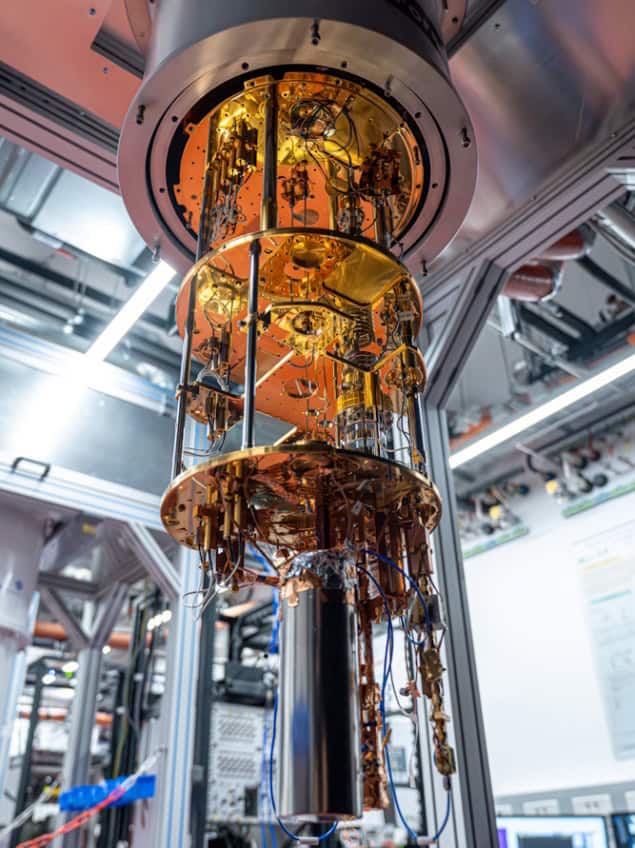
Despite nearly six decades of uncertainty, a recent feasibility study from MIT physicist Areg Danagoulian suggests a potential solution: satellite-based sensors capable of detecting nuclear material aboard other spacecraft using high-energy protons trapped by Earth's magnetic field. The detection would reveal a large burst of neutrons produced when these protons interact with radioactive elements like uranium inside a warhead.
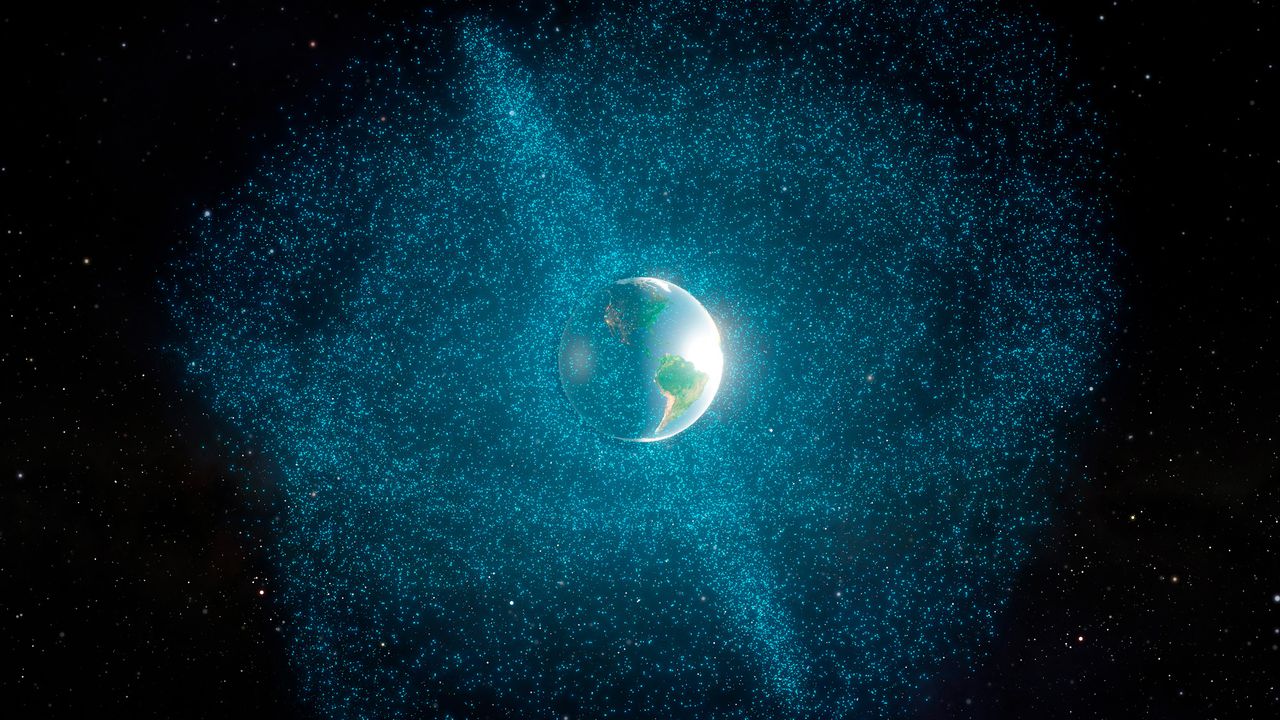
The consequences of a nuclear detonation in space would be severe. If a warhead were hidden inside an ordinary-looking satellite, it could jeopardize thousands of commercial, scientific, and military satellites and create dangerous debris in orbit. The Starfish Prime nuclear test in 1962, the clearest example of the potential damage, illuminated the magnetosphere with a red glow, knocked out radio communications, and damaged or destroyed eight satellites.
However, detecting a nuclear weapon in space is fraught with technical and diplomatic challenges. Maintaining a satellite close enough to observe another for a week could raise suspicions of spying or aggression. Moreover, any workable system would require cooperation from the country whose satellite was being inspected, raising further questions about international norms. While the technical challenges are significant, many experts argue that the policy issues present an even greater hurdle.
Written by urgent.news from Live Science's reporting — not their text. Machine-written — may contain errors; check the original before relying on it.