APOD: 2026 September 7 – The Pelican Nebula in Gas, Dust, and Stars
APOD Science APOD APOD: 2026 September 7 – The… Today’s APOD Archive Submissions Index Search Calendar RSS Education About Discuss APOD Astronomy Picture of the Day Discover the cosmos! Each day a different image or photograph of our fascinating universe is featured, along with a brief explanation written by a professional astronomer. The Pelican […]
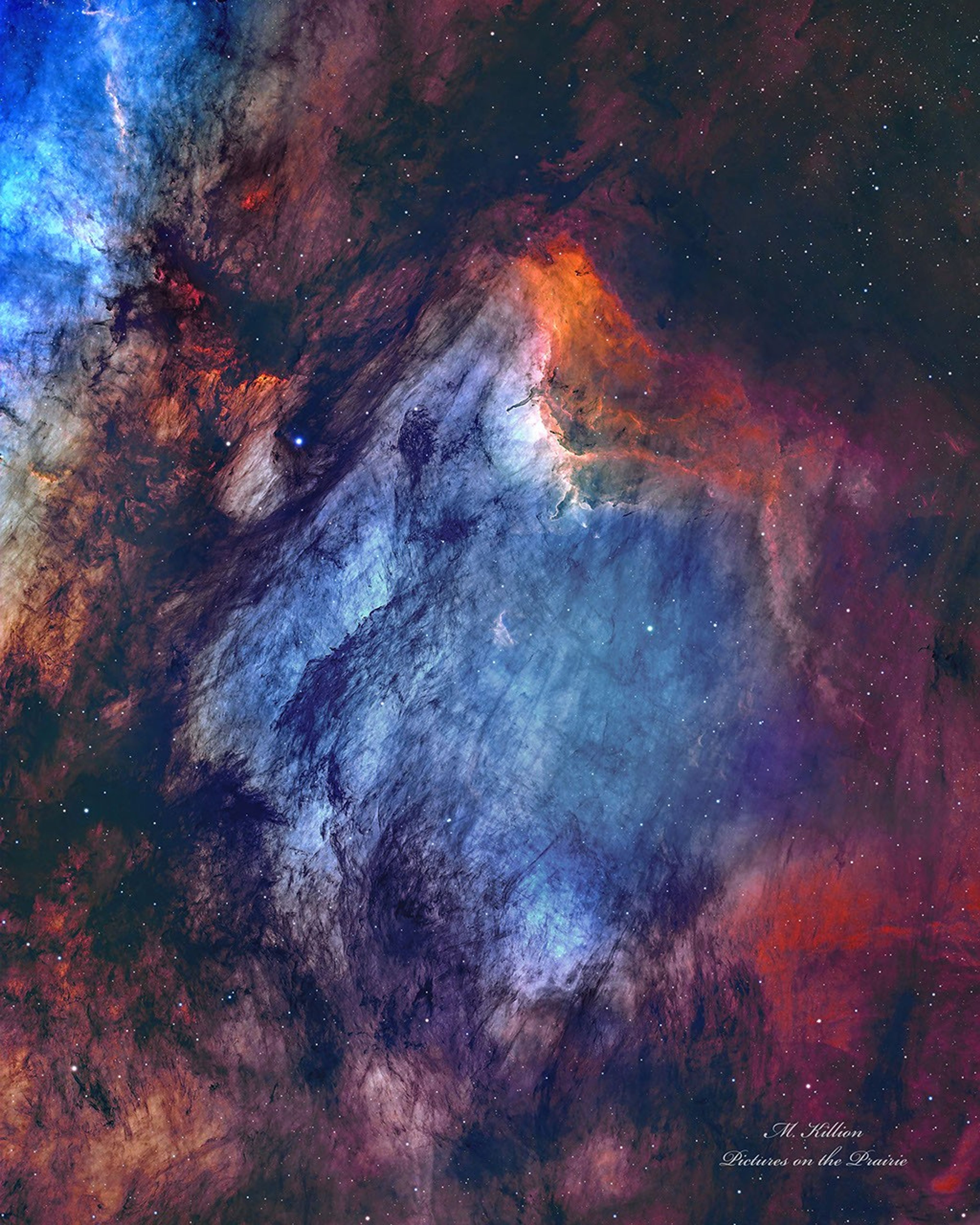
APOD presents a captivating image of the Pelican Nebula, showcasing its transformation from gas, dust, and stars. This nebula, officially designated IC 5070, is situated between the larger North America Nebula, divided by a molecular cloud replete with dark dust. The high-resolution image, captured over 25 hours in Utah, USA, reveals intricate details of the filamentary dust.
The Pelican Nebula is a focal point for astronomers due to its dynamic interplay of star formation and evolving gas clouds. The bright orange ionization front, marking the boundary where intense young stars' light is changing cold gas into hot gas, is visible on the upper right corner.
While dense clusters of cold gas persist, the nebula's future appearance could drastically differ in millions of years, as the balance of stars and gas reconfigures. The Pelican Nebula is bordered by the dark LDN 935 nebula. With APOD's main site transitioning to science.nasa.gov/apod, tomorrow's featured image will be the geometric Saturn.
Written by urgent.news from NASA's reporting — not their text. Machine-written — may contain errors; check the original before relying on it.
This story
This is one outlet's version. Read the fullest account.
- APOD: 2026 September 7 – The Pelican Nebula in Gas, Dust, and Stars science.nasa.gov