APOD: 2026 September 7 – The Pelican Nebula in Gas, Dust, and Stars
The post APOD: 2026 September 7 – The Pelican Nebula in Gas, Dust, and Stars appeared first on NASA Science .
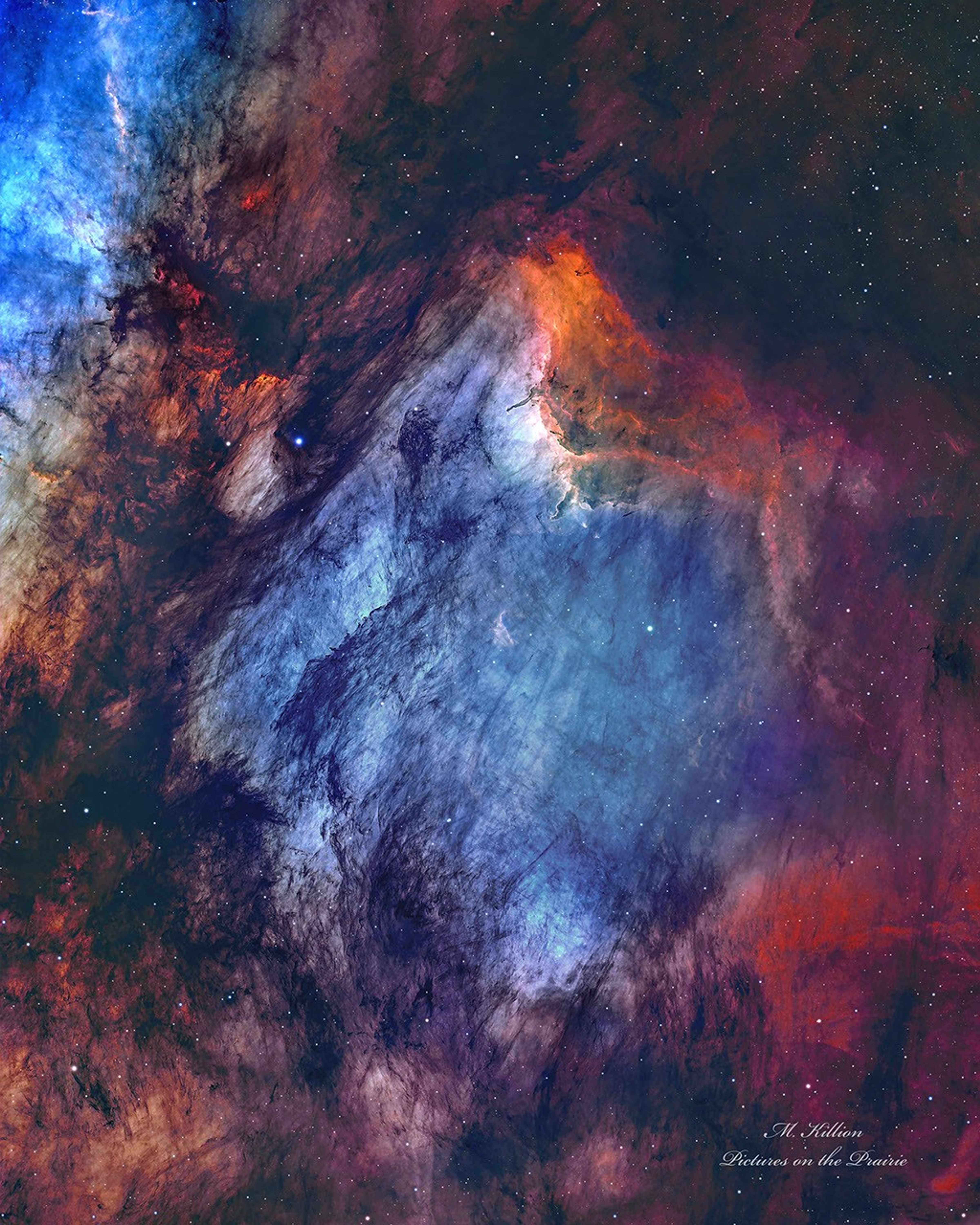
On September 7, 2026, an awe-inspiring image of the Pelican Nebula graced the Astronomy Picture of the Day (APOD) archive, captured in all its vibrant gas, dust, and stellar splendor. The celestial masterpiece, officially designated IC 5070, is a constantly evolving region where the interplay of star formation and gas dynamics creates a mesmerizing cosmic tableau.
The APOD description revealed that the Pelican Nebula is distinct from the larger North America Nebula by a molecular cloud, a vast expanse of dark dust. This dusty veil separates the nebula from the North America Nebula, allowing astronomers to study the intricate details within its structure. The deep image, taken from Utah, USA, showcases 25 hours of exposure, bringing out the delicate filaments of dust that weave throughout the scene.
The Pelican Nebula's significance lies in its active state of transformation. The light emitted by young, energetic stars gradually heats and ionizes the surrounding cold gas, generating an ionization front that glows in a striking orange hue near the upper right corner of the image. This transition zone between cold and hot gas is a testament to the dynamic processes at work within the nebula.
However, amidst these stellar and gaseous changes, certain dense tentacles of cold gas persist, showcasing the nebula's resilience and ability to preserve its most substantial features. As millions of years pass, the Pelican Nebula, demarcated by the dark nebula LDN 935, is expected to undergo significant transformations. The delicate balance of stars and gas may change so drastically that the nebula might no longer resemble the familiar Pelican, its identity forever altered by the cosmic dance of birth and evolution.
Written by urgent.news from NASA Science's reporting — not their text. Machine-written — may contain errors; check the original before relying on it.
Also reported by 1 other outlet
- APOD: 2026 September 7 – The Pelican Nebula in Gas, Dust, and Stars science.nasa.gov