Urgent.News

What's breaking now, across thousands of outlets.

Business

VW's CEO just survived the fight that sank his predecessors
VW's CEO just survived the fight that sank his predecessors

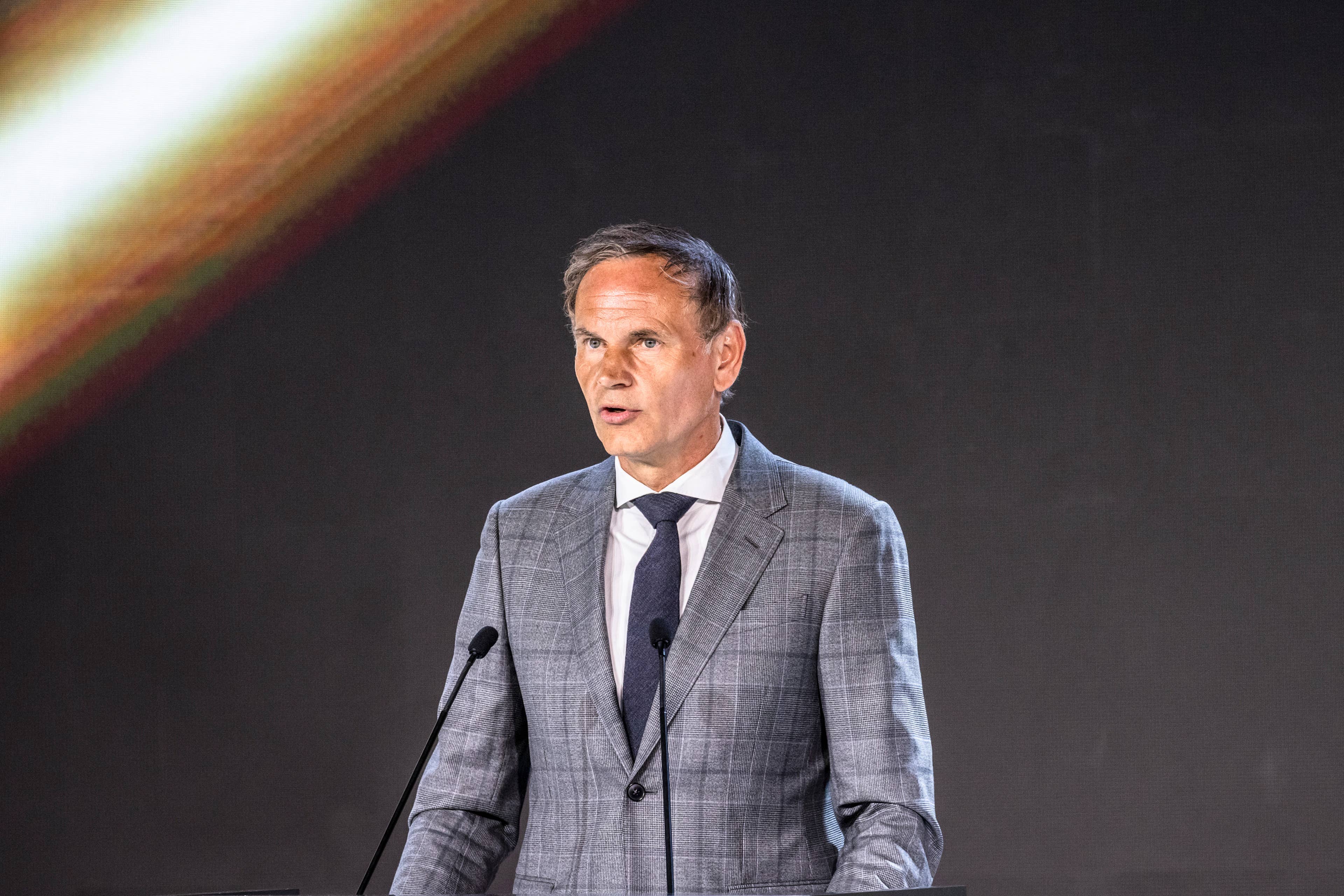
Volkswagen's CEO Oliver Blume overcame the obstacle that took down his predecessors, securing a major restructuring plan with a vote of 20 to nothing. The supervisory board, which has worker representatives holding half the votes, along with a German state owning a fifth of the company, made this decision possible. This is the fourth CEO to face this hurdle since 2006, each promising to cut costs in Germany yet leaving before completion.

Despite the European carmaker's challenges, including the 2015 diesel scandal, Blume's restructuring plan includes significant cuts in the model portfolio, operating margin targets, and capital spending. Crucially, the board also agreed to limit its own voting rights, changing the governance structure for the first time in 20 years.

This change, while not removing worker representation, sets a higher threshold for major decisions, potentially allowing the plan to be executed more effectively.

Written by urgent.news from Yahoo Finance's reporting — not their text. Machine-written — may contain errors; check the original before relying on it.


Read the original at finance.yahoo.com →

More in Business

Handover: small charities know what hurts, not what skill they are missing

This is a submission for Weekend Challenge: Generosity Edition What I Built Handover takes a plain description of what is going wrong inside a small charity and works out the role that would fix it.

  • Reach Volunteering closed after 45 years, providing 5,996 volunteers and £60 million in expertise.
  • Handover tool created to help small charities identify skill gaps and suitable roles.
  • Handover uses AI to analyze charity problems and suggest tailored trustee or volunteer roles.

Most Critical Minerals Aren’t Going to the Energy Transition

An Oakland Institute analysis challenges claims that a large increase in mining is an unavoidable cost of replacing fossil fuels.

  • 74% of critical minerals used in non-renewable sectors, not energy transition
  • Nickel demand 83% non-renewable, magnet rare-earth demand 79% non-renewable
  • Recycling rates could cut lithium demand by up to 92% by 2050

More from Sunday 6 September →