Ukrainian Drones Are Forcing Russia to Rewrite the Rules of Private Property
The Kremlin has gained a new pretext for interfering in business affairs On August 24, 2026, Vladimir Putin signed a decree allowing the state to temporarily take control of critically important infrastructure if the authorities consider it insufficiently protected against Ukrainian drones. The decision came after a large-scale campaign of strikes on oil refineries, logistics centers, and…

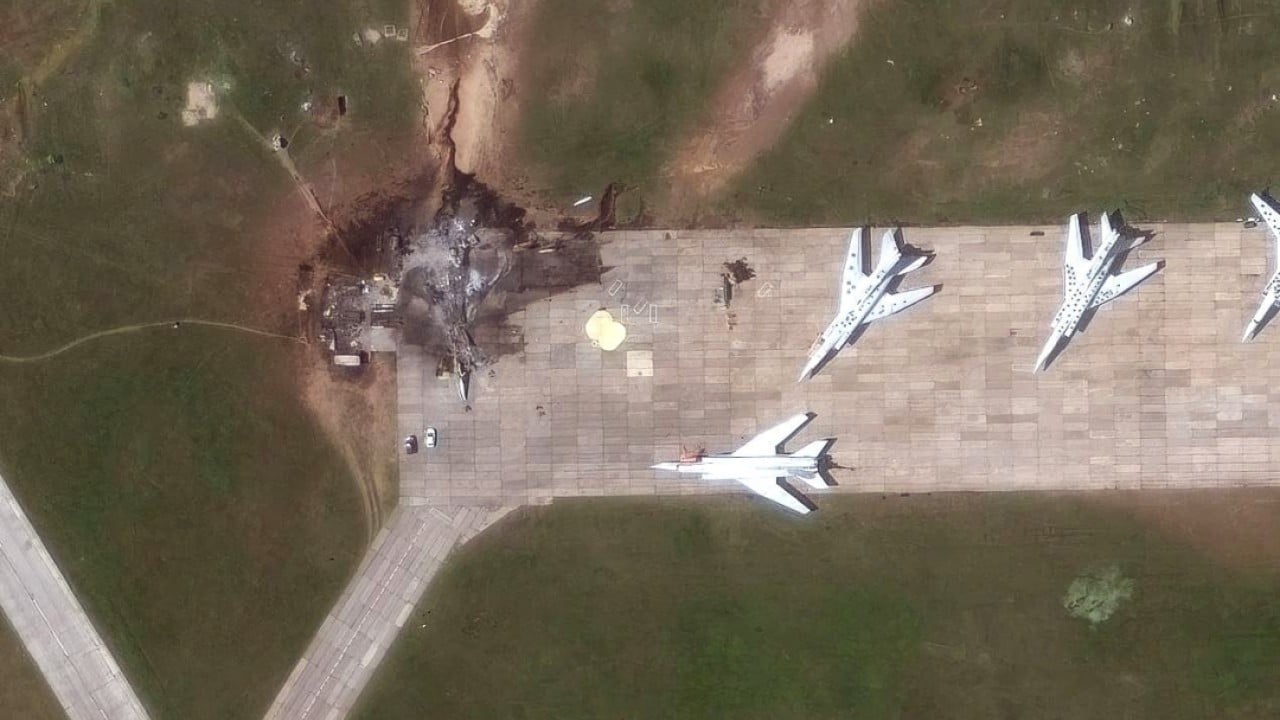
On August 24, 2026, Russian President Vladimir Putin signed a decree granting the state temporary control of critical infrastructure if authorities deem it insufficiently protected against Ukrainian drone strikes. This decision came following a series of drone attacks on oil refineries, logistics centers, and warehouse facilities. The Kremlin now has a new legal justification for directly intervening in private business for the first time, citing protection against an external threat.
The decree's language is deliberately broad, covering sectors like fuel and energy, industrial facilities, communications, utilities, transport, logistics, nuclear power, and life-support systems. According to political analyst Valentyn Gladkykh, the state can intervene if security measures fail or repairs are delayed following a strike. The government can appoint temporary managers, like Rosimushchestvo, to oversee affected facilities without the power to sell them outright.
Russian firms have faced over 194 successful drone strikes on oil refineries in the first half of 2026 alone, more than double the number in the previous year. Ukrainian drones also targeted Wildberries warehouses, damaging about 2.3 million square meters of facilities across 16 regions. Competitor Ozon reported damage to at least six warehouses, prompting the company to relocate parts of its operations.
The market reacted negatively, with Ozon shares falling nearly 30% on the Moscow Exchange, leading to a temporary trading halt.
Ukraine claims these strikes are aimed at supplying the military with drone components and navigation equipment, effectively making civilian logistics targets for national security reasons. Gladkykh suggests that strikes on ordinary marketplace warehouses carry psychological weight for a country seeking to maintain normalcy. This decree is part of a broader pattern of nationalizations since 2022, involving around 6.5 trillion rubles in seized assets.
Once created, such wartime powers are rarely temporary, and once established, they tend to remain in the state's toolkit.
Written by urgent.news from UATV English's reporting — not their text. Machine-written — may contain errors; check the original before relying on it.