Tree-killing beetle still poses major threat, as bird flu takes centre stage
With the nation's biosecurity experts tied up managing the bird flu outbreak, there are concerns that attention has been diverted from the destructive shot-hole borer beetle.
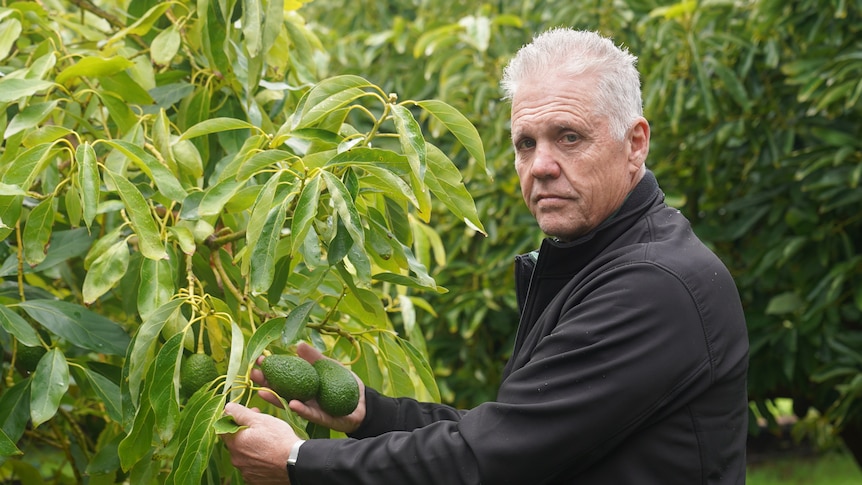
The shot-hole borer beetle, a destructive invasive pest, remains a major threat despite the recent focus on bird flu, according to reports. With biosecurity resources diverted to managing the bird flu outbreak, there are concerns attention has been diverted from the beetle's destructive capabilities. Farmers and researchers are working hard to prevent the beetle from invading valuable crops and native forests.
The key to stopping the spread may lie in a research project studying Australia's only laboratory colony of shot-hole borers. Despite the beetle being detected in an avocado orchard in Perth's Carabooda suburb in December, no signs have been reported in the Manjimup region, where 51,000 of the 131,000 tonnes of avocados grown in Australia were produced last financial year.
Farmers and the Department of Primary Industries and Regional Development are checking crops and implementing management strategies to contain the beetle. However, concerns arise as bird flu takes center stage, with the H5N1 virus prompting people to report sick birds and wildlife. This shift in focus may divert biosecurity resources away from monitoring and managing the shot-hole borer, potentially allowing it to spread and cause further damage in other parts of Australia.
Written by urgent.news from ABC News AU's reporting — not their text. Machine-written — may contain errors; check the original before relying on it.