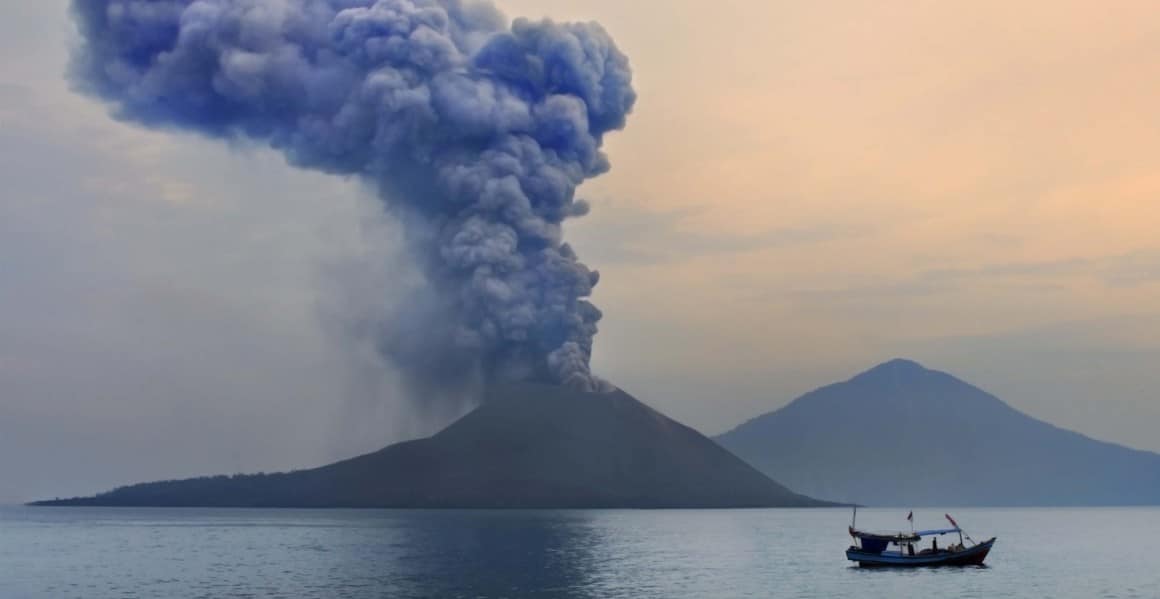
The volunteers risking their lives to defuse Indonesia's wildfire 'carbon bombs'
Peat fires in Borneo are releasing ancient stores of carbon - and sending a toxic smog across South East Asia.
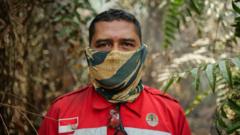
In Borneo, a wildfire catastrophe has gripped Indonesia, with smoke drifting across international borders to countries like Singapore, Manila, and Kuala Lumpur. The haze has forced firefighters, many of them indigenous Dayak or Banjar people, to work under treacherous conditions. The 35-year-old volunteer firefighter described the air as smoky and toxic, filled with centuries-old microparticles of carbon.
Underground peat fires continue to smolder, adding to the air pollution crisis. Indonesia is experiencing its worst haze crisis in over a decade, driven by an intense drought known as the "Super El Niño." The fires are burning through a vast tropical peatland ecosystem, which could release millions of tonnes of carbon into the atmosphere, turning them into a "carbon bomb."
The release of this carbon could have severe consequences for South East Asia, causing respiratory issues and hospital admissions. Despite the severity of the crisis, authorities have often blamed the indigenous communities for the fires, despite their crucial role in firefighting efforts.
Written by urgent.news from BBC News's reporting — not their text. Machine-written — may contain errors; check the original before relying on it.
This story
This is one outlet's version. Read the fullest account.