The new Arctic route is redrawing the economic and geopolitical map
Melting ice has opened the door to steady trade routes between Asia and Europe. However, it also positions Russia as the arbiter
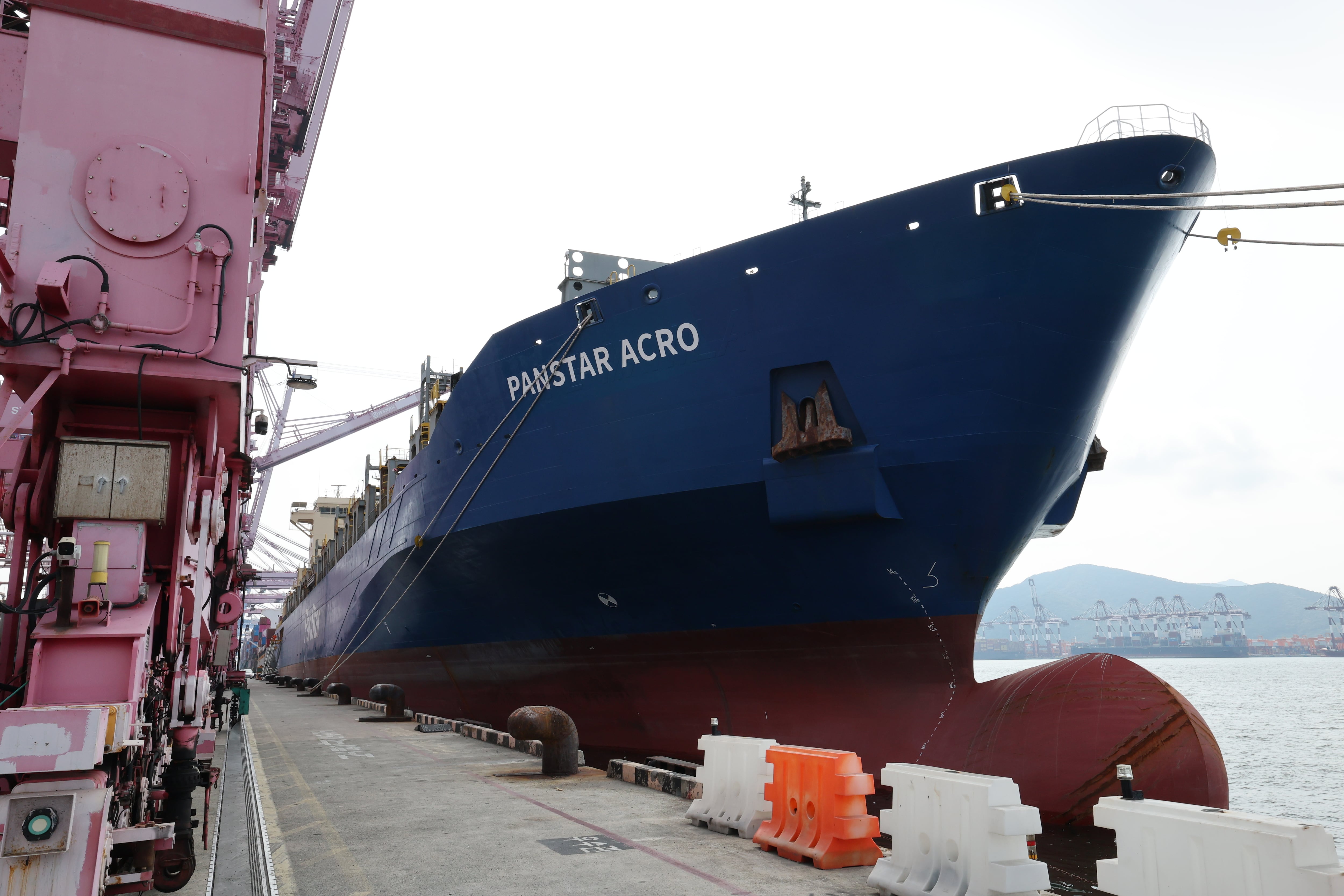
In August, two cargo ships set sail from Qingdao and Busan, heading for Teesport and Felixstowe via the Arctic. This development, part of a broader trend in global maritime trade, is altering the economic and geopolitical landscape. The shift favors the Northern Hemisphere, at the expense of the Southern Hemisphere, and provides Russia with an additional advantage.
Regular Asia-to-Europe connections through the North Pole were once impossible, but now, the Chinese Sea Legend aims for a weekly route. The South Korean ship remains in testing.
Shipping experts estimate navigability in the region for three to four months yearly, from August to October, with potential extension to late October. This new route is significantly faster than the Suez Canal and the Indian Ocean route, reducing transit times by up to 40%. The Northern Sea Route offers reduced fuel consumption, fewer risks of armed attacks, and higher ship turnover. However, environmental concerns, increased pollution, and Russian control over the route pose challenges.
With 103 transits recorded last year, the Arctic route is gaining traction. However, it still lacks intermediate stops, unlike the Suez Canal and the Cape of Good Hope routes, which offer more ports for ships to call at. This could diminish Spain's influence as a gateway to Europe. The Arctic route's impact is felt beyond commercial shifts, as it becomes a central point of military and energy-related conflicts.
Written by urgent.news from El Pais English's reporting — not their text. Machine-written — may contain errors; check the original before relying on it.