Telefónica, Santander y Repsol disparan su actividad de lobby en la UE
El plan de la Comisión Europea de simplificar la regulación ha elevado el interés de las compañías por influir en Bruselas. Leer
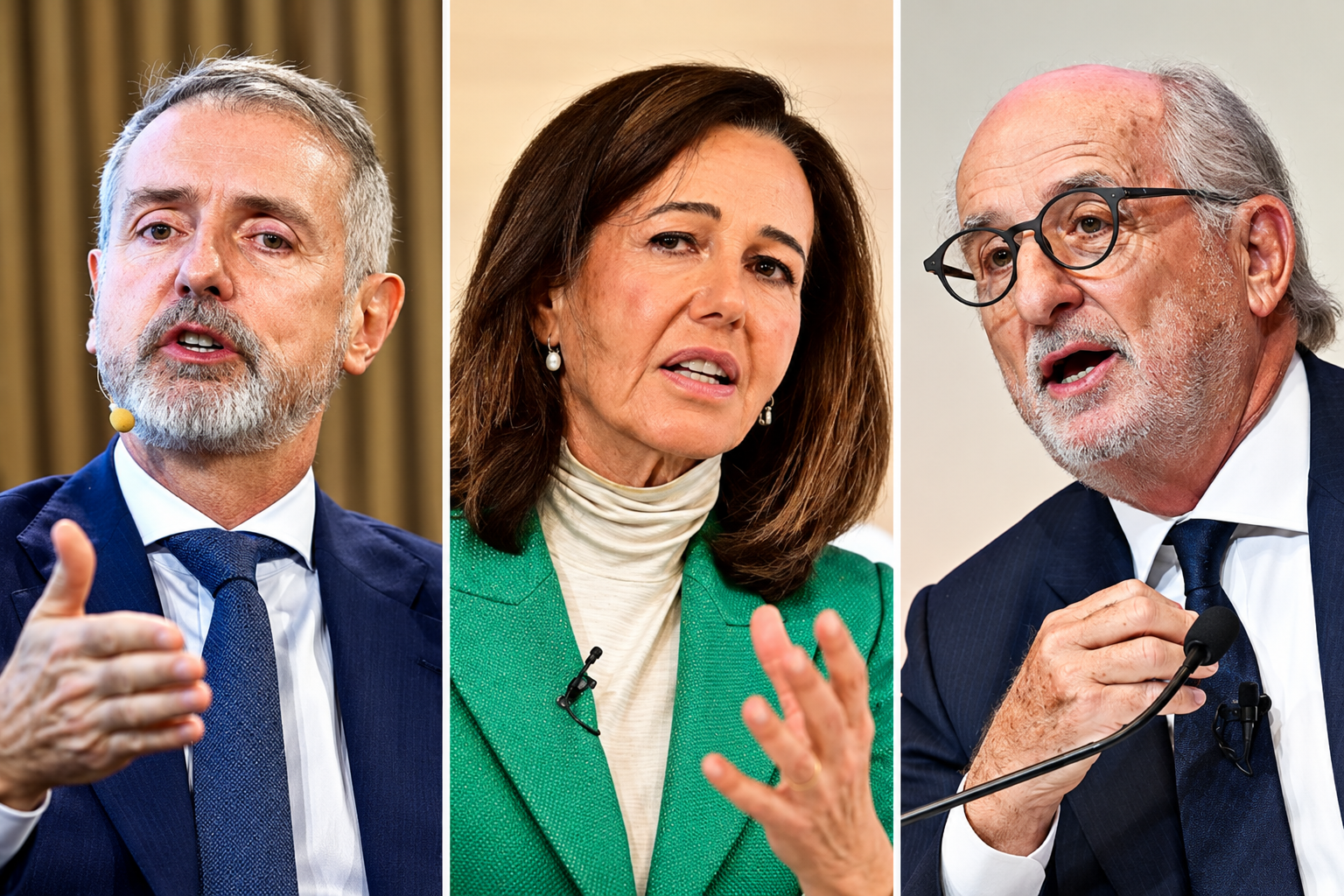
Telefónica, Santander y Repsol, along with other major Spanish companies such as ArcelorMittal, have significantly increased their lobbying activities in the European Union (EU) during the second term of Ursula von der Leyen, according to data from the EU's transparency register analyzed by EXPANSIÓN. This surge in lobbying follows the European Commission's plan to simplify regulations, as firms recognize the potential impact of pending legislation on their businesses in the coming years.
Telefónica leads the pack with 105 high-level meetings with EU institutions representatives over the past 20 months, followed closely by Santander with 83 meetings. Repsol has also ramped up its lobbying efforts, accumulating 65 high-level encounters with EU bodies.
The companies' representatives are particularly focused on issues related to competition requirements for mergers and acquisitions, cybersecurity, technological development, artificial intelligence, and the upcoming reforms in banking architecture. These areas are deemed crucial for the companies' competitiveness and profitability in the evolving regulatory landscape.
The trend of increased lobbying is not limited to the banking and telecom sectors but is also observed across other industries like energy. Spanish energy company Repsol, for instance, has maintained 65 high-level meetings with EU institutions, marking a substantial increase from previous years. Other energy firms like Iberdrola, Naturgy, and Endesa have also ramped up their lobbying activities in Brussels.
Despite the increased lobbying efforts, smaller companies in the Spanish stock market do not appear to have a significant presence in EU institutions, often outsourcing their political defense to consulting firms or industry associations. Nonetheless, the European Commission's commitment to reducing administrative burdens by 25% for the whole economy and 35% for SMEs by 2029 underscores the importance of these lobbying activities for the overall European business environment.
Written by urgent.news from Expansion ES's reporting — not their text. Machine-written — may contain errors; check the original before relying on it.