Romanticised Mao myths rise among China’s youth as sanitised history leaves space for idealism
NANJIE (China), Sept 7 — The crimson flags on Nanjie village’s “East is Red” Square hang limp in...
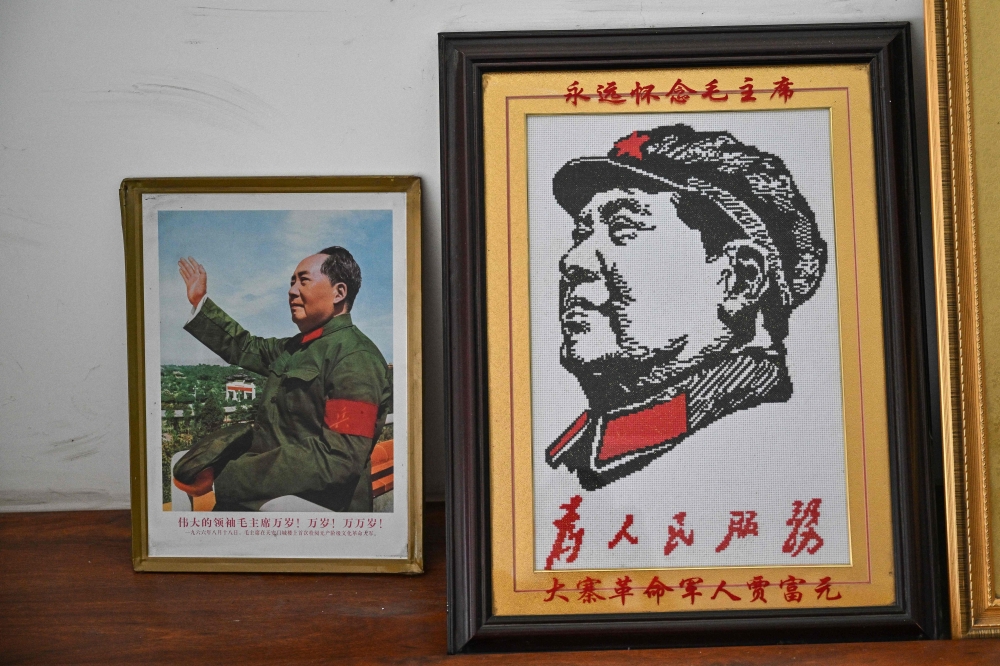
In Nanjie village, on the outskirts of China's Henan province, a square adorned with a fading Maoist flag and a statue of the former leader still draws tourists. Despite his controversial legacy, Chairman Mao Zedong remains a symbol of idealism and nostalgia among the younger generation. While the Chinese Communist Party acknowledges Mao as a hero, it also claims his Cultural Revolution was a "grave mistake."
Young people, like 22-year-old Xie Kaiyue, cherish Mao's principles of shared ownership, suggesting they were "purer" than today's youth.
Nearby, the mountain village of Dazhai in Shanxi province, once heralded as a model of Mao's reforms, now charms visitors with its preserved Maoist past. Tourists gawk at statues, murals, and shops selling Mao-related merchandise, oblivious to the suffering caused by his policies. One tourist lamented, "Of course I miss it." However, public discourse about Mao's darker times is tightly controlled, with references to the Cultural Revolution tightly censored.
In Beijing, scholar Xu Chenggang, a victim of the Cultural Revolution, warns against deviation from the party line – a strict control over public perception of Mao. Mao's images adorn currency, Tiananmen Square, and a mausoleum; his image is a constant reminder of the man they romanticize. While the government acknowledges Mao's role in establishing the People's Republic of China, current leader Xi Jinping warns against "historical nihilism," discouraging narratives that contradict the party's approved version of history.
Written by urgent.news from Malay Mail's reporting — not their text. Machine-written — may contain errors; check the original before relying on it.