Peptides can be stable in concentrated sulphuric acid: study
The findings matter for the search for life beyond the earth
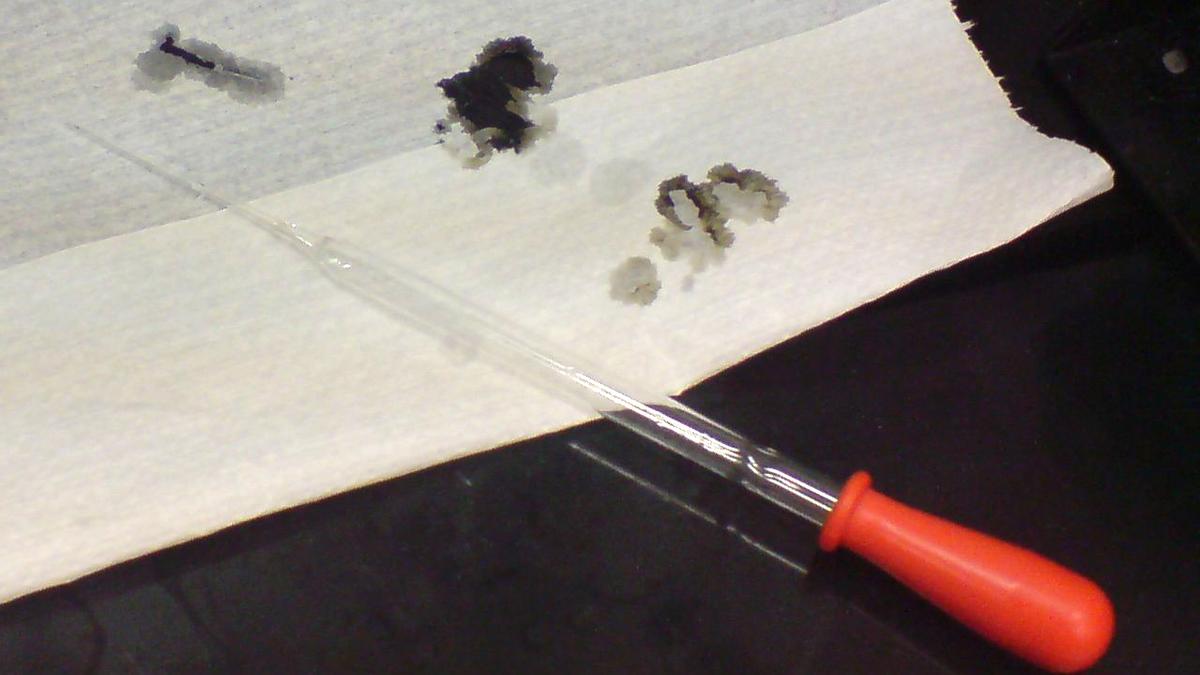
Scientists have discovered that certain peptides can remain stable in 98% concentrated sulphuric acid. Peptides are short chains of amino acids that make up proteins, which are essential for life. The study, published in Proceedings of the National Academy of Sciences on September 4, contradicts the belief that concentrated sulphuric acid is harmful to the building blocks of life.
Previously, researchers found that nucleic acid bases and amino acids were stable in the same solvent, but this is the first time a macromolecule critical to biology has demonstrated this ability. Strong acids typically break down peptides through hydrolysis, which involves water molecules breaking down bonds. However, with 98% sulphuric acid containing almost no water, the reaction that would usually destroy peptide bonds cannot occur.
This enables the peptides to maintain their stability for weeks at room temperature. Researchers used nuclear magnetic resonance spectroscopy to observe how these peptides folded into a specific shape called an omega loop, with sulphuric acid molecules providing a kind of scaffolding to maintain the structure. This is a significant deviation from how proteins behave in water, where they typically form different structures like helices or sheets.
The findings are crucial for the search for life beyond Earth, as Venus is covered in clouds of concentrated sulphuric acid. The new results challenge the assumption that this environment is too harsh to support complex chemistry.
Written by urgent.news from The Hindu - Sci-Tech's reporting — not their text. Machine-written — may contain errors; check the original before relying on it.