OPEC+ keeps oil production quotas unchanged after meeting
OPEC+ decided on Sunday to maintain current oil production quotas, following earlier agreements to gradually phase out supply cuts.
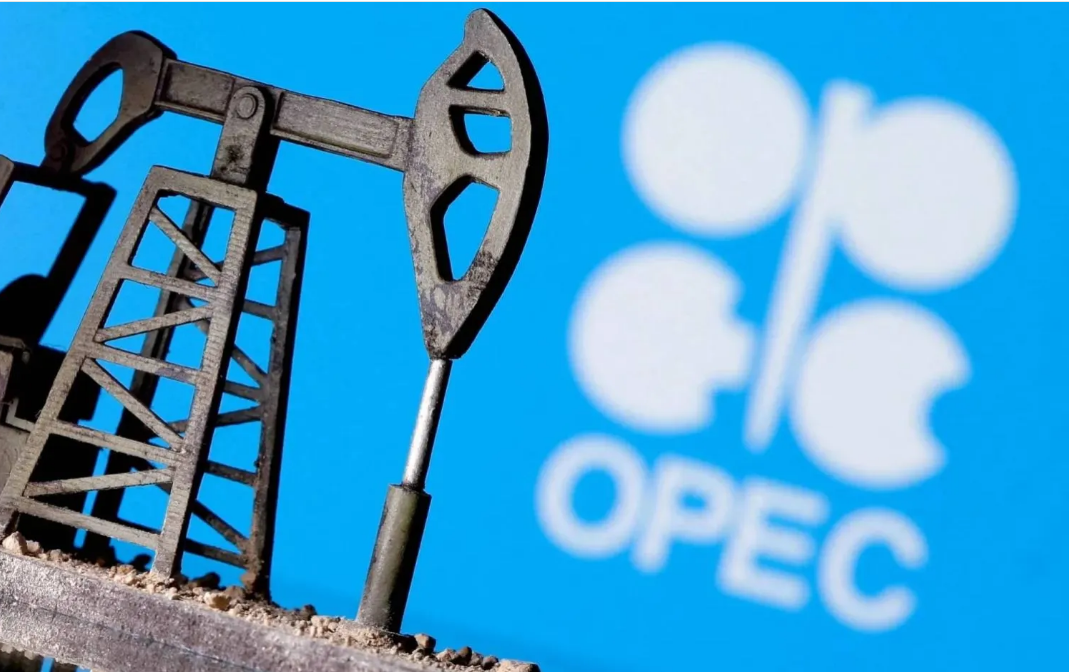
Opec+ maintained its oil output policy unchanged for October during an online meeting on Sunday, following six consecutive monthly increases. The group, comprising Saudi Arabia and Russia among others, aimed to complete a series of production cuts totaling 1.65 million barrels per day, introduced in 2023. In September, Opec+ had increased output by 188,000 barrels per day (bpd), mirroring the increase for the previous three months.
Prior to this, Opec+ had raised production by 206,000 bpd each month in April and May, with output increments paused for the first three months of the year due to seasonal demand factors. The seven Opec+ countries will persist in monthly meetings to assess market conditions, with the next gathering scheduled for October 4. The UAE departed from the group in May after nearly six decades of membership.
Despite the stability in Opec+'s output policy, oil markets remain unpredictable due to the ongoing conflict between Iran and the US. The Strait of Hormuz, a crucial waterway transporting approximately 20% of the global crude and liquefied natural gas supply, remains largely blocked. Oil prices leaped to a daily peak of $126 per barrel in late April following US and Israeli strikes on Iran, followed by retaliatory actions from Tehran against American allies and Iraq.
Prices subsequently declined in subsequent months following peace negotiations between the US and Iran, aimed at halting the conflict and reopening the strait. Oil resumed trading at a higher rate this week amid renewed hostilities between the US and Iran, sparking concerns about increased disruption in the Strait of Hormuz. Brent, the benchmark for two-thirds of the world's oil, rose 0.8% to settle at $96.28 a barrel, while West Texas Intermediate, tracking U.S. crude, increased by 0.2% to close at $82.44 a barrel.
The US and Iran engaged in a series of retaliatory strikes, with Washington targeting sites near the strait, while Iran dispatched ballistic missiles towards US military installations in Jordan. Kuwait reported intercepting a recent round of attacks on Thursday morning. The war is anticipated to persist into the new year, with the Pentagon planning to extend U.S. military presence across the Middle East, according to a report in The Wall Street Journal.
Iran continues to target ships in the Strait of Hormuz, disrupting the flow of oil to global markets, resulting in the loss of two Filipino crew members in an attack on a Saudi supertanker on Monday. Shipping traffic across the strait has significantly decreased since the onset of the war, with only a handful of vessels traversing the channel daily, compared to over 100 prior to the conflict.
Written by urgent.news from The National Business's reporting — not their text. Machine-written — may contain errors; check the original before relying on it.
This story
This is one outlet's version. Read the fullest account.
- Opec+ keeps oil output policy unchanged for October amid Iran war uncertainty thenationalnews.com
- OPEC+ agree to maintain oil output quotas unchanged for October saudigazette.com.sa
- IDF planning on operating in Lebanon in coming hours, explosions expected in northern Israel israelnationalnews.com
- Opec+ set to keep October oil output policy unchanged freemalaysiatoday.com
- Iran planning ‘October 7-style’ multi-front, coordinated attack on Israel: Report hindustantimes.com
- Is Iran planning an October 7-style multi-front attack on Israel? gulfnews.com
- OPEC+ holds October output steady as Iran war constrains supply seekingalpha.com