Oil Majors Seek Bigger Bargaining Power in Labor Disputes
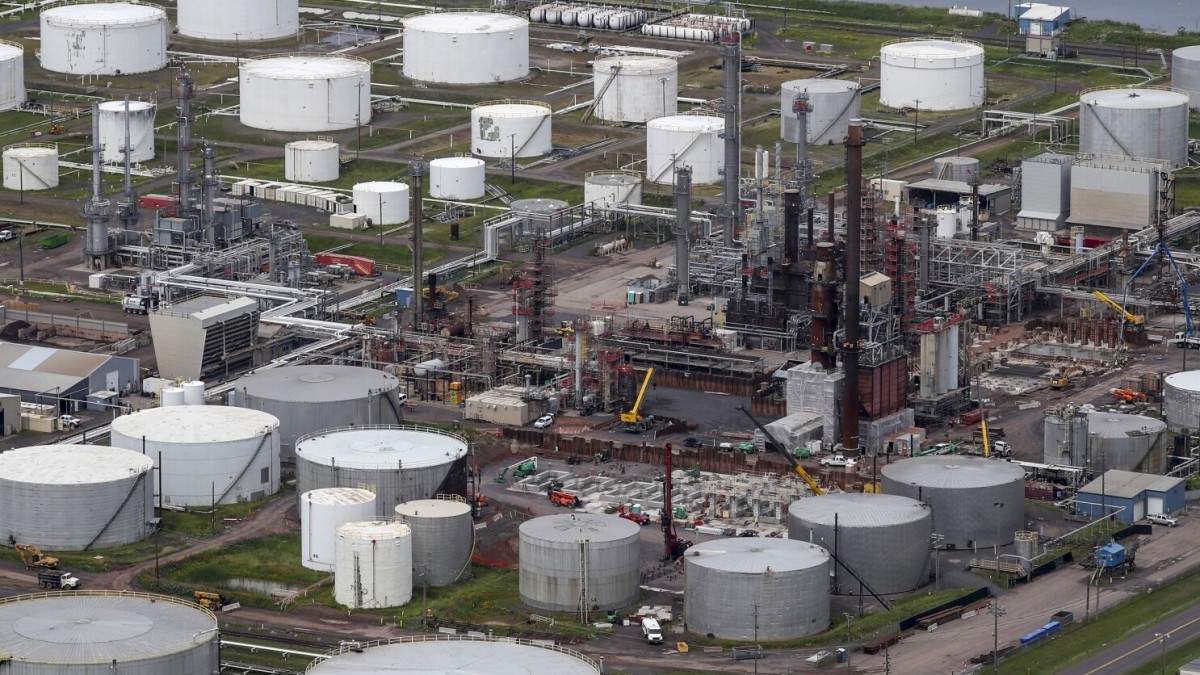
The world's largest oil companies in the United States are aggressively seeking greater leverage in labor negotiations to secure concessions from workers. In recent years, prominent U.S. refining companies have resorted to lockouts as a means to ensure that management's proposals are accepted in new labor contracts. This tactic was first employed by Exxon in 2021 when it locked out 650 workers at its Beaumont refinery for a decade-long dispute, the longest labor battle at a U.S. refinery in four decades.
More recently, BP and Marathon are engaged in similar labor disputes at their Whiting, Indiana, and Martinez, California, refineries, respectively. Both refineries continue to operate with contractors, supervisors, and replacement workers while the union negotiations persist. This approach demonstrates that the major oil firms are more unafraid of using replacement labor to extract concessions from the unions.
The ongoing labor disputes highlight the power shift from skilled unionized labor to Big Oil in the negotiating process. For instance, BP's proposed 13% raise over four years, including a 4-year raise of over $7 per hour, falls short of the national oil bargaining standards. BP also aims to transfer certain non-core craft line work to specialized third-party contractors, a practice already adopted by most of its competitors.
Moreover, BP has requested a waiver of bargaining rights in two proposals - one related to AI tools and technology, and another concerning the use of time clocks. Eric Schultz, president of United Steelworkers Local 7-1, has noted that BP is following the identical strategy as Exxon did during its 2021 dispute. The union has hired Jordan Marcks, the former Exxon management official who managed the Beaumont lockout, as its lead negotiator in the current dispute at the Whiting refinery.
Marcks has reached out to the union representative, expressing readiness for discussions and emphasizing the importance of direct dialogue over public debates. The prolonged stand-off at the Whiting refinery has underscored the willingness of the largest oil firms to operate with replacement workers in an effort to secure the desired union concessions.
The outcome of this dispute could potentially influence the approach of Big Oil towards labor contracts and conflicts in the future. Simultaneously, it underscores Big Oil's ongoing efforts to minimize costs and maintain competitiveness, even as the company's upstream, refining, and trading businesses have enjoyed substantial profits due to surging oil prices and disrupted crude and fuel supplies from the Middle East.
Written by urgent.news from Yahoo Finance's reporting — not their text. Machine-written — may contain errors; check the original before relying on it.