Nicotine-imitation products emerge as blind spot amid tightening e-cigarette rules
A new regulatory blind spot is emerging around nicotine-free and nicotine-imitation products, following a law revision that brought liquid e-cigarettes under government oversight for the first time. Nicotine-imitation substances have not been fully verified for safety, and actual nicotine has turned up even in products marketed as "nicotine-free," prompting calls for a comprehensive system to…
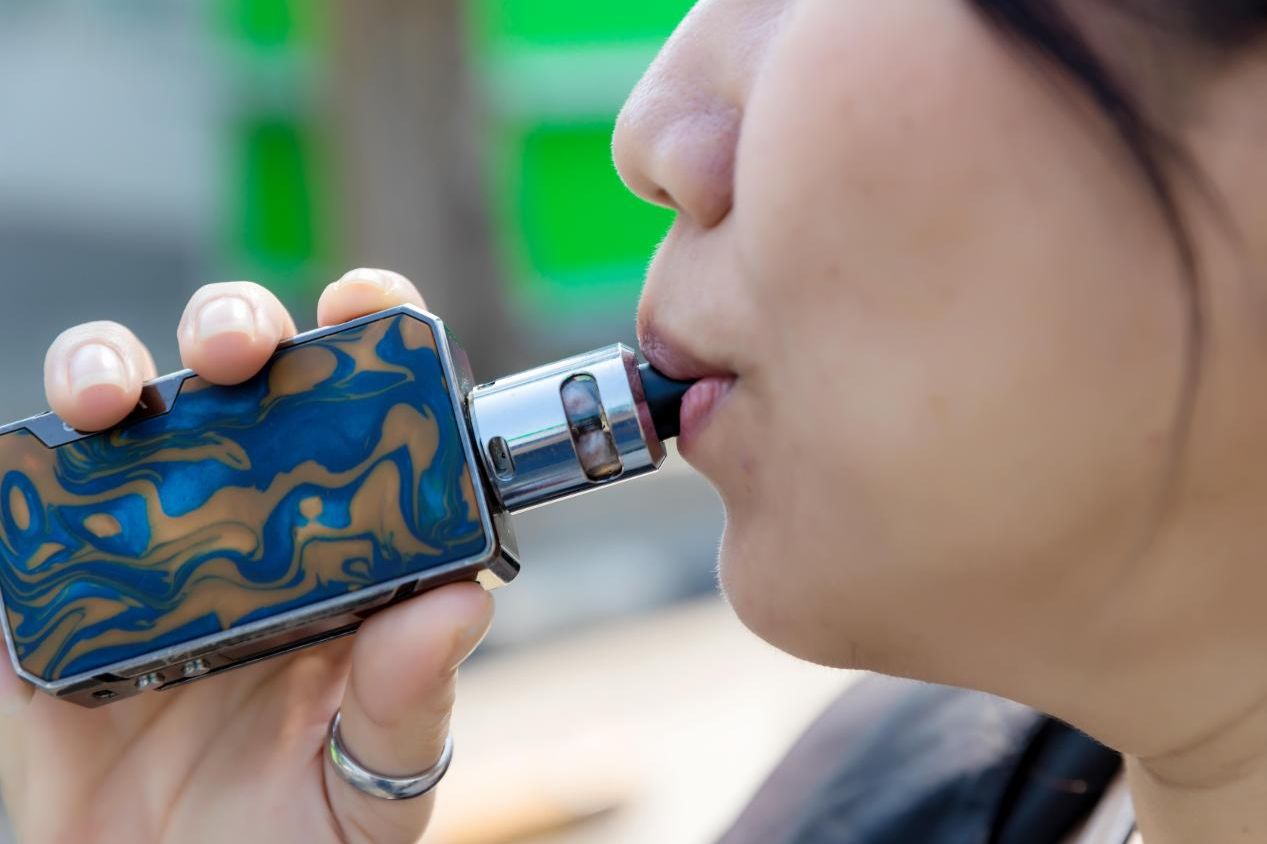
A new regulatory blind spot has emerged concerning nicotine-free and nicotine-imitation products, following a recent law revision that included liquid e-cigarettes within government oversight for the first time. These nicotine-imitation substances have not been thoroughly tested for safety, and there have been instances of actual nicotine found in products advertised as nicotine-free, leading to calls for a comprehensive regulatory system.
In April, a revision to the Tobacco Business Act took effect, expanding the legal definition of tobacco to include traditional leaf-based products as well as natural and synthetic nicotine. The revised law now bans the use of e-cigarettes in various public spaces such as schools, hospitals, government offices, and designated outdoor no-smoking zones.
Online sales of e-cigarettes are also prohibited, with health warnings regarding nicotine content and ingredient disclosures now required on packaging. Sales to minors and promotional activities targeting them are strictly prohibited under the Tobacco Business Act.
However, the act defines tobacco solely as products made from tobacco leaf or nicotine, leaving nicotine-imitation products outside its regulatory scope. This lack of clear definition has left these products uncertain in terms of safety testing, required health warnings, and permissible sales and marketing restrictions. As a result, there is a growing concern that consumers may be exposed to potentially unsafe nicotine-imitation products without proper oversight or regulation.
Written by urgent.news from The Korea Times's reporting — not their text. Machine-written — may contain errors; check the original before relying on it.
This story
This is one outlet's version. Read the fullest account.