NASA expands Deep Space Network with giant new dish in California desert
The new antenna will boost capacity on NASA's increasingly strained deep-space communications network as Artemis and other missions drive up demand.
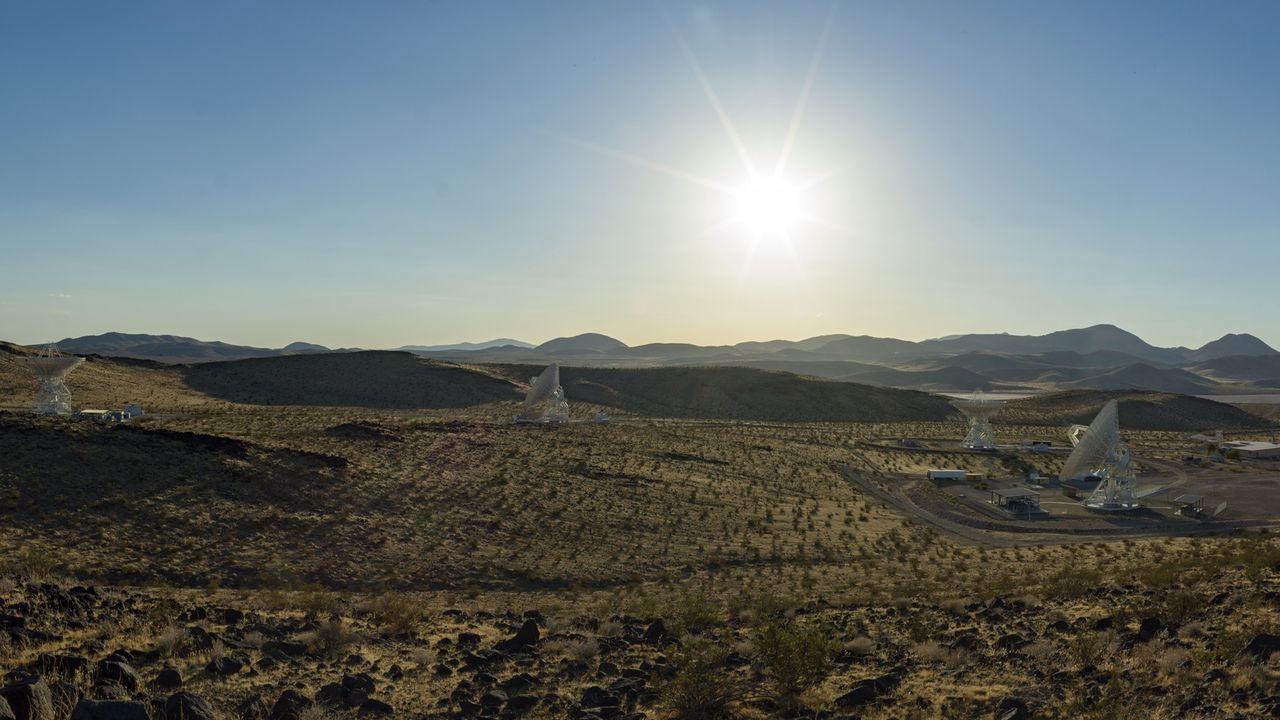
NASA has bolstered its Deep Space Network (DSN) with a recently installed 114-foot (34-meter) radio-frequency antenna in California's desert. The network, renowned for its role in communicating with distant spacecraft like Voyager 1, 2, and New Horizons, now has increased capacity to handle the growing demand from over 40 missions exploring the solar system and interstellar space.
The Artemis moon program, including the crewed Artemis 2 mission, has been a major priority, consuming substantial network resources and limiting the capacity to support other missions. Brad Arnold, manager of the DSN at NASA's Jet Propulsion Laboratory, warned that the Artemis program's astronauts will inevitably take precedence over robotic spacecraft due to the network's design.
Despite ongoing efforts to add more antennas, including the recently completed Deep Space Station 23 at Goldstone near Barstow, California, the agency faces delays and cost overruns. The DSN operates three complexes across California, Spain, and Australia, each housing powerful dishes that support missions spanning decades, from Apollo 11's moonwalk to the Voyager probes crossing into interstellar space.
The expansion project, known as the Aperture Enhancement Project, began in 2009 and is expected to conclude with the installation of the final antenna in 2029, five years behind schedule and nearly $400 million over budget.
Written by urgent.news from Space.com's reporting — not their text. Machine-written — may contain errors; check the original before relying on it.