MIT sends robot beneath Arctic ice, transmits data at 1.2 KB per second
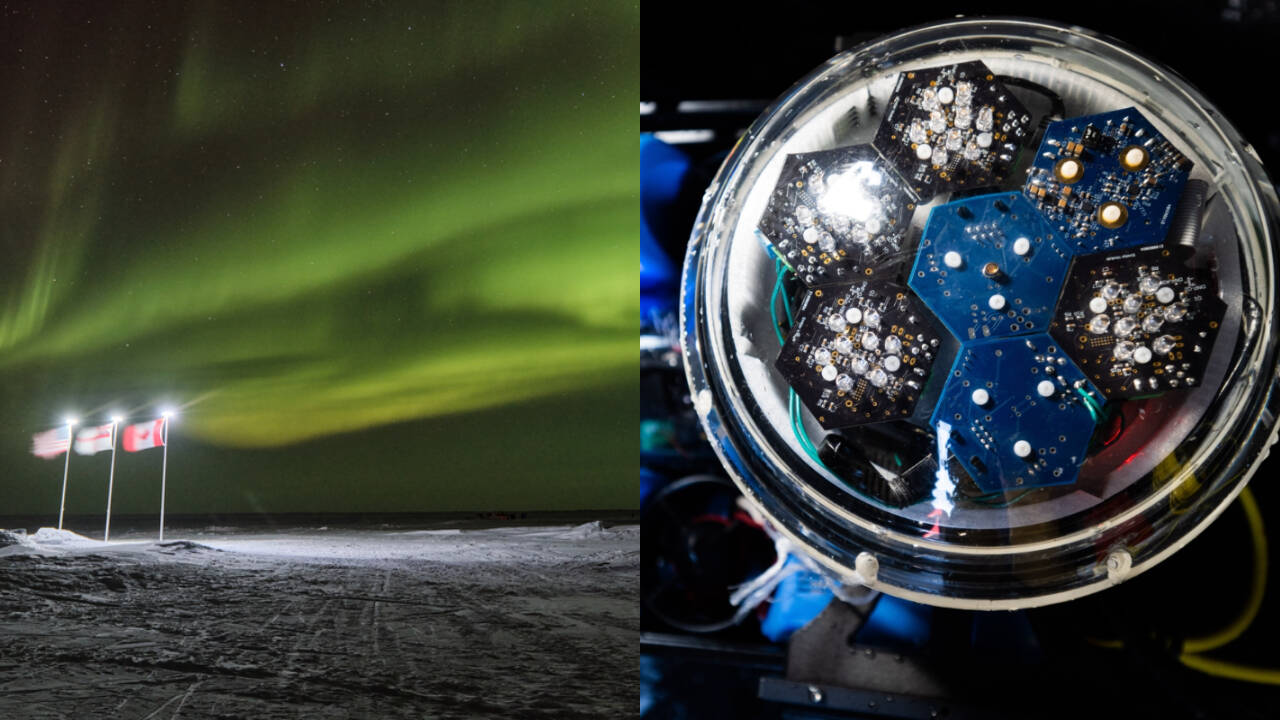
The Arctic sea ice environment is becoming noisier due to cracking ice, marine mammals, and passing ships. Scientists aim to find ways to place sensors beneath the ice and retrieve data without endangering lives. At MIT Lincoln Laboratory, researchers have been working on both challenges. During Operation Ice Camp 2026, they tested a prototype communications system using magnetic fields to transmit data through ice.
After drilling 3.6 feet of ice, a remotely operated vehicle was lowered and achieved a data transmission rate of roughly 1.2 kilobytes per second. This team is developing an affordable network of sensors for continuous Arctic monitoring. The idea began during Operation Ice Camp 2024, where researchers used off-the-shelf sensors to detect marine-mammal vocalizations.
In 2026, they returned with a more advanced geophone capable of sensing vibrations through sea ice. This acoustic understanding could be crucial as Arctic ice retreats, leading to more maritime activity. The mission was complicated by harsh weather conditions. The 2026 deployment faced consecutive blizzards, whiteout conditions, sub-zero temperatures, and strong winds.
Flights were delayed, and for five days, no flights arrived or departed. Despite this, the team only managed to deploy about a quarter of its sensor package before bad weather forced them to return. The project also explores magnetic field-based technology to reduce the need for direct ice work. In Alaska, researchers partnered with Havguard to test a modem that communicates through ice using magnetic fields instead of radio-frequency signals.
They deployed the system in a lagoon near Utqiaġvik, Alaska, using a magneto-inductive transmitter underwater and a receiver above the ice. The prototype achieved the same 1.2 kilobytes per second data transfer rate. Future versions could collect data from underwater sensors and relay it via drones or satellites, enabling longer sensor network operations with fewer people.
The researchers also engage with the local community and educate students about Arctic research and sonar concepts. Overall, the goal is to create technology capable of deploying and retrieving sensors while keeping people off the ice as much as possible, given the unpredictable weather in the region.
Written by urgent.news from Times of India's reporting — not their text. Machine-written — may contain errors; check the original before relying on it.