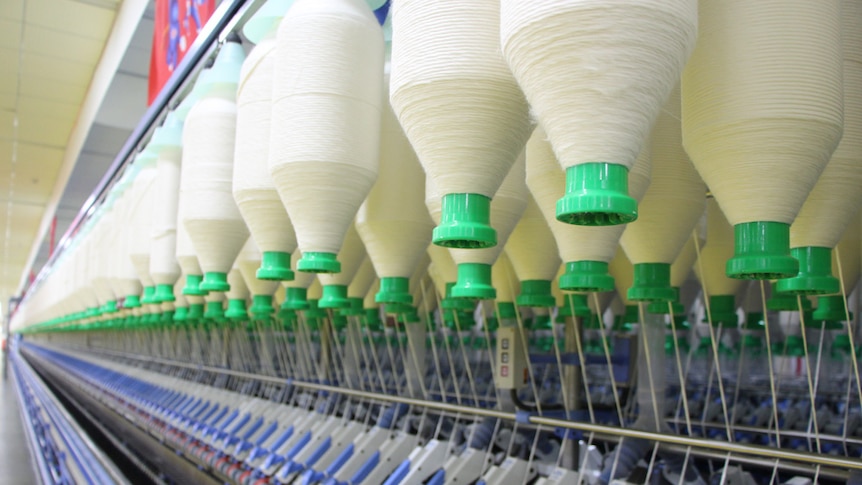
‘Made by Malaysia’ Belanjawan 2027: Pengajaran daripada kebangkitan kuasa besar China
Kita mempunyai ilmu, tetapi mekanisme yang menghubungkan ilmu dengan tindakan belum cukup tangkas.
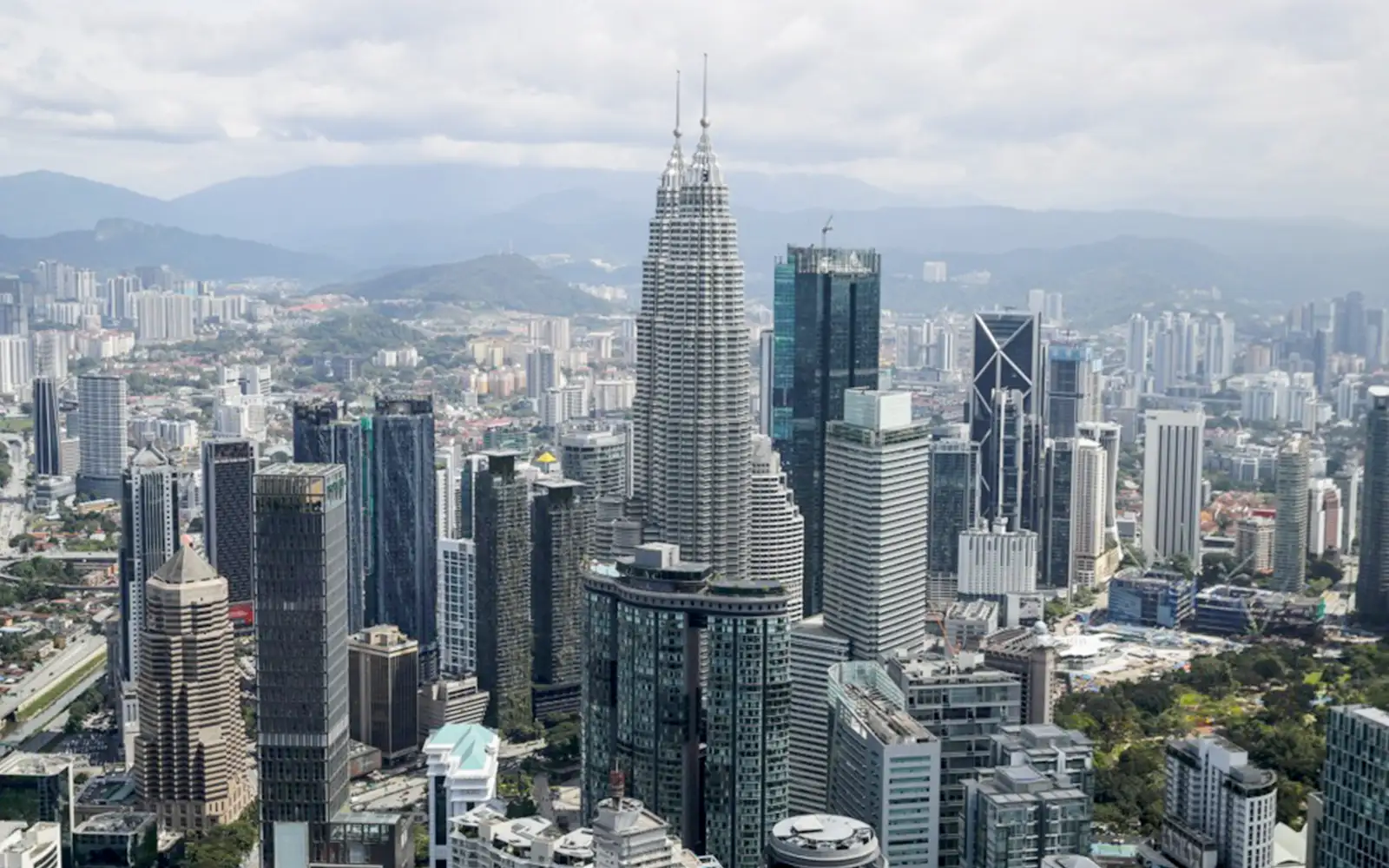
Malaysia aspires to move beyond merely being a manufacturing hub. In its 2027 budget, the government emphasized the Made in Malaysia initiative, aiming for more products, technologies, and intellectual property to be designed, created, and owned by the Malaysian people. Semiconductors, artificial intelligence (AI), the digital economy, and energy transition are identified as strategic sectors for the nation.
Remarkably, Malaysia has attracted RM218.5 billion in investments in the first half of 2026, with nearly 100,000 jobs expected to be created. However, the key question for a country aspiring to a high-value economy is not just the volume of investment, but how much capability, technology, and value ultimately becomes our own. To achieve this, we need solid foundations - universities, researchers, engineers, and talent.
The more pressing question is why so much of our research and design still takes too long to become technology, products, solutions, and economic power. This question resurfaced after attending the 2nd China-Southeast Asia Kerry Youth Scientist Forum in Nanjing, focusing on China-Southeast Asia: Industrial Trade, Green Development and Common Prosperity in a Changing Global Landscape.
While I never focused solely on the discussions, I wondered how research connects to national issues. They discussed trade, technology, green development, and shared prosperity, but research must ultimately produce capability. China is not a model to copy wholesale - their political system, history, and size are vastly different.
However, there is something to learn from how a nation can take knowledge from anywhere without losing its own identity. During a session, a colleague shared how Western approaches were adapted to their own system, reminding me of the long-standing Chinese idea of 中西合作 (zhōng xī hé yòng) - learning from the best of the West while retaining control over interpretation.
China learns from the West without becoming Western. The difference lies in borrowing tools versus borrowing direction. Learning second is more about challenging Malaysia today, where China is serious about shortening the gap between knowing and doing. Pure knowledge must be developed and translated into technology or foundation, then financed, tested, developed, and evaluated again.
Research is never considered complete when a paper is published. Its value is tested when it reaches a factory, market, community, or government system. This formula and model of the research cycle and knowledge chain should become standard practice in Malaysia as well. The Chinese tradition of 知行合一 (zhī xíng hé yī) - unity between knowledge and action - has newly gained breath through closer ties between universities, government, industry, finance, and implementation.
We can see examples in fields like poverty alleviation, electric cars, solar panels, batteries, infrastructure, and AI. China still faces many challenges: demographic pressure, debt, economic imbalance, geopolitical competition, and freedom issues. So, this is not an attempt to romanticize China. The focus is on China's successful poverty alleviation agenda: lifting 800 million people out of poverty in about four decades - a social transformation scale difficult to match.
China's exact numbers, scale, and approach can be debated, but the key is their ability to translate knowledge into action at a massive scale. Alleviating poverty is not limited to national targets. Poor families are specifically identified, local conditions are mapped, and intervention forms are adapted to individual needs. This is what I mean by completing the knowledge chain and action.
Knowledge produces foundations; foundations become programs; programs are implemented down to the ground level; results are evaluated and improved. Malaysia is not starting from scratch. We have good universities, researchers, engineers, a mature semiconductor and electronics ecosystem, and a long history of semiconductor investment and innovation.
We also want to move from traditional strengths in semiconductor design, packaging, and testing to higher-value activities like system-level design, faster packaging, and R&D. However, increasing our value-added chain will not happen just by adding another top-level plan. We need to ask some unfinished questions: How many university investigations truly change foundations?
How many patents turn into companies or products? How many R&D funds ultimately generate widely-used solutions? How quickly can an idea move across bureaucracy, universities, industry, and finance? Malaysia may not lack 'aql' (ideas and so on). The problem is the chain from 'aql' to action, often breaking down in the middle. We have knowledge, but...
Written by urgent.news from Free Malaysia Today's reporting — not their text. Machine-written — may contain errors; check the original before relying on it.
Also reported by 1 other outlet
- ‘Made by Malaysia’ Belanjawan 2027: Pengajaran daripada kebangkitan kuasa besar China freemalaysiatoday.com