Keris as a window into earlier Malay life
Collectors say the blade, carvings and sheath can reveal clues about status, occupation and the communities that shaped these enduring weapons.
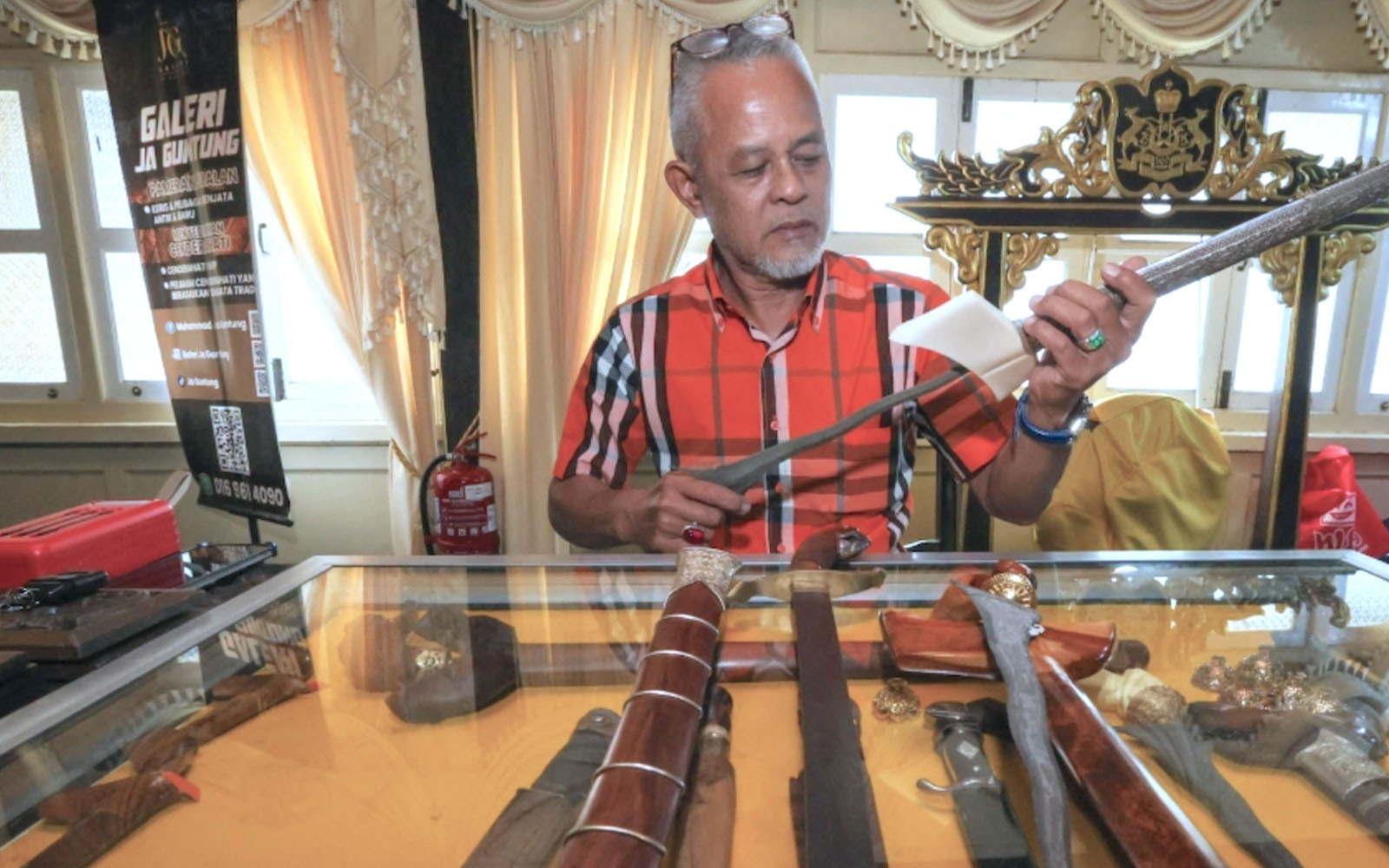
A keris, a traditional Malay weapon, may appear similar to an untrained observer, but for collectors, the intricacies of its blade, sheath, carvings, and metals can reveal a wealth of information. Aizal Azwan Amaran, a 35-year-old old-weapons collector, explained that each keris possesses its own identity, shaped by history, symbolism, and the role of its owner, which could range from a ruler to an ordinary individual.
Despite its origins as a tool for self-defense and protection, collectors emphasize its broader significance in society.
According to Azek Abu Bakar, a 64-year-old collector, different types of keris can indicate a person's social standing. For instance, the short Keris Debek is often linked to religious figures or tok lebai, while the longer Keris Penyalang signifies customary authority and law enforcement. These distinctions can be further illuminated by examining the ukiran kerawang, or openwork carvings, and the sampir, or sheath.
Azek noted that sampir designs from the east coast frequently display influences from the sea and boats, reflecting the close ties of coastal communities to fishing and maritime activities. Therefore, the keris transcends being merely a defensive instrument; its design can provide insights into the occupation, status, local environment, and cultural values of the community that created it.
Collectors understand that age alone is insufficient to gauge a keris's value. To assess an older piece's significance, one must scrutinize the blade's structure, corrosion patterns, and construction techniques. However, Azek cautioned that the sheath's condition might be misleading, as it may have been substituted or preserved distinctively from the blade itself.
Furthermore, the incorporation of mixed metals, or pamor, can offer clues about the keris's origin and manufacturing process, particularly in the Bugis craftsmanship tradition. Some specimens have endured for centuries, attesting to the skill and knowledge of metalwork, materials, and preservation in these ancient traditions.
For Aizal and Azek, the allure of the keris lies not solely in its age or ornate appearance but in its capacity to encapsulate traces of the people who wielded, owned, and passed it down through generations. For those willing to closely inspect these artifacts, they can serve as windows into an earlier Malay world, unveiling the intricate tapestry of history, societal roles, and cultural influence woven into each blade.
Written by urgent.news from Free Malaysia Today's reporting — not their text. Machine-written — may contain errors; check the original before relying on it.
Also reported by 1 other outlet
- Keris as a window into earlier Malay life freemalaysiatoday.com