Iran war: $95 instead of $200: Why the big oil shock has not materialized yet
Oil prices of up to $200 per barrel were predicted by experts because of the Iran war. IEA and EU warned of shortages. Handelsblatt explains why these forecasts did not come true.
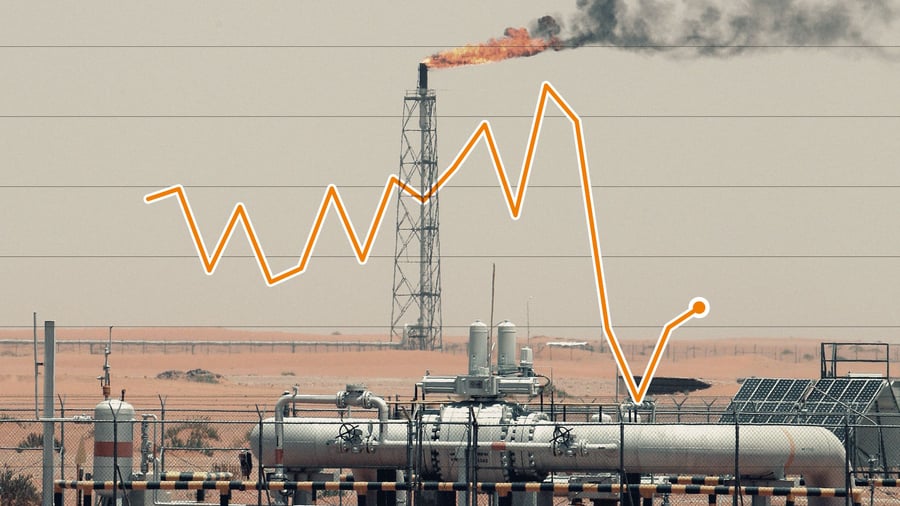
The article discusses how the oil market reacted to the conflict between the US, Israel, and Iran, which led to a blockade of the Strait of Hormuz in February. Despite initial warnings of an oil crisis and price shocks, with predictions of Brent oil reaching $150-$200 per barrel, the market has been relatively stable, with prices currently around $95 per barrel.
The stability is attributed to several factors, including the use of alternative pipelines, such as Saudi Arabia's East-West Pipeline, which has allowed Gulf producers to maintain oil exports, and increased production from the US, Brazil, and other countries.
Written by urgent.news from Handelsblatt's report — not a translation of it. Machine-written — may contain errors; check the original before relying on it.