Iran vows to expand Gulf restricted zone as oil exports crumble — yet Tehran says it’s ‘beating’ US blockade
Iran is preparing to expand its maritime restrictions beyond the Strait of Hormuz, escalating an already dangerous confrontation with the US and raising fresh concerns for commercial shipping and global oil supplies. Iran hardliner Mohsen Rezaei , 71, secretary of the Supreme National Security Council, said on Sunday that Tehran would announce a new “restricted zone” in the Arabian Gulf in the…
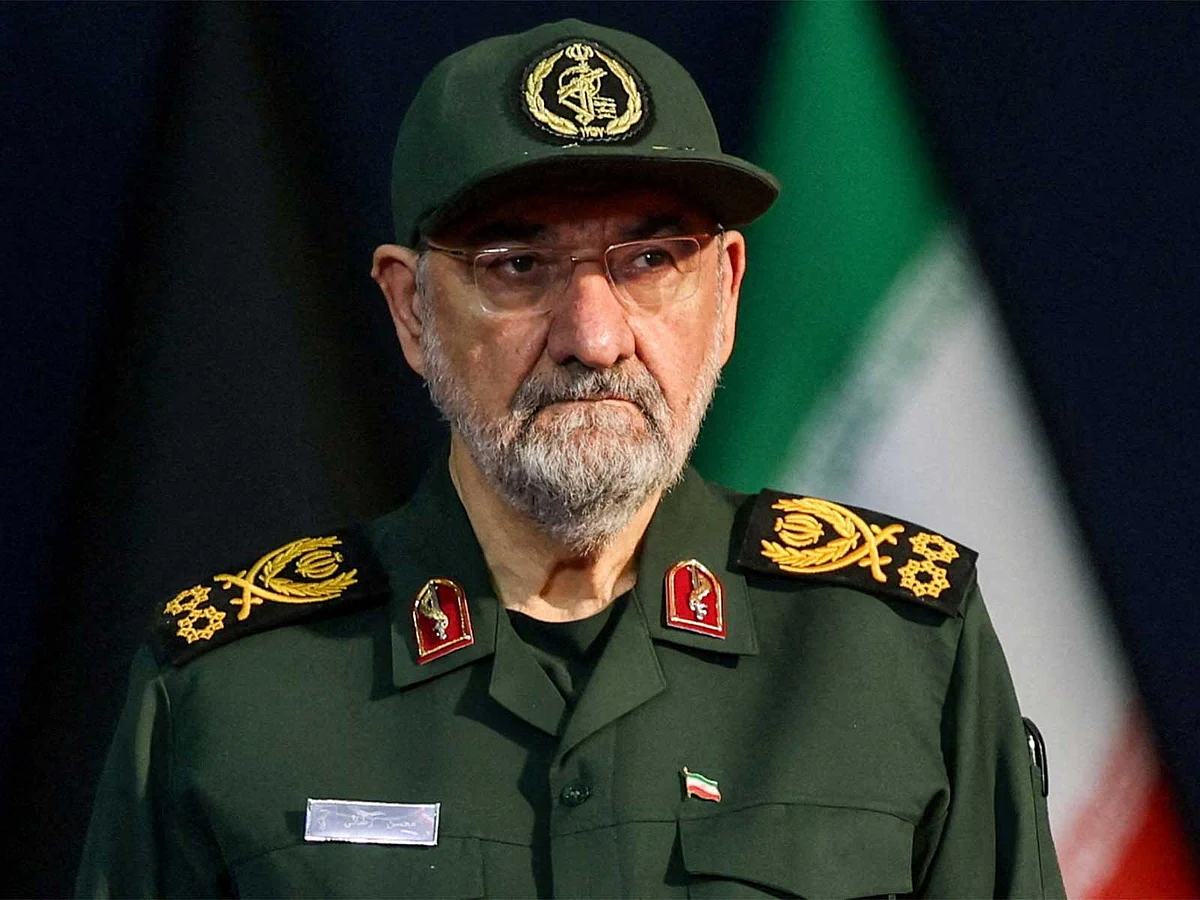
The Islamic Republic of Iran is set to expand its maritime restrictions beyond the Strait of Hormuz, intensifying a tense standoff with the United States and sparking apprehension among global shipping firms and oil supply chains. Mohsen Rezaei, a 71-year-old hardliner and secretary of Iran’s Supreme National Security Council, announced on Sunday that Tehran would soon declare a new “restricted zone” in the Arabian Gulf, beginning at the US naval blockade and extending into the Gulf.
Ships entering the area would be added to an Iranian sanctions list, Rezaei warned. The move arrives as Iran asserts it has effectively thwarted Washington’s efforts to control maritime traffic around the Strait of Hormuz. Iran claims full control over the strait, describing the sharp decline in shipping traffic as proof of Tehran’s success.
According to Iranian figures, only a handful of vessels, mainly humanitarian ships, currently traverse the strait, compared to over 100 before the US blockade. Tehran also claims to have recently tested an anti-ship missile against a US vessel, a claim Washington disputes. The new restricted zone would extend Iran’s maritime enforcement further from the narrow chokepoint, a significant development given that the Strait of Hormuz is a crucial international shipping route.
However, Iran’s assertion of “beating” the blockade must be viewed against the economic reality. The US naval blockade has halted much of Iran’s crude exports since mid-July, with Iranian crude shipments plummeting from roughly 2 million barrels per day in March to between 220,000 and 255,000 barrels per day in August. This has severely impacted Iran’s access to foreign currency, particularly as China remains the country’s primary major customer for crude.
US pressure has also weakened Iran’s leverage over the Strait of Hormuz. Despite Tehran’s expectations, diversified global supplies and market adjustments have reduced the impact compared to what Iranian strategists may have anticipated.
Written by urgent.news from Gulf News's reporting — not their text. Machine-written — may contain errors; check the original before relying on it.
This story
This is one outlet's version. Read the fullest account.
- Iran outlines Gulf exclusion zone after tanker strikes thearabianpost.com
- There may not be a nuclear pact with Iran: Trump’s official qatar-tribune.com