Inside Track: Outsiders Unwelcome
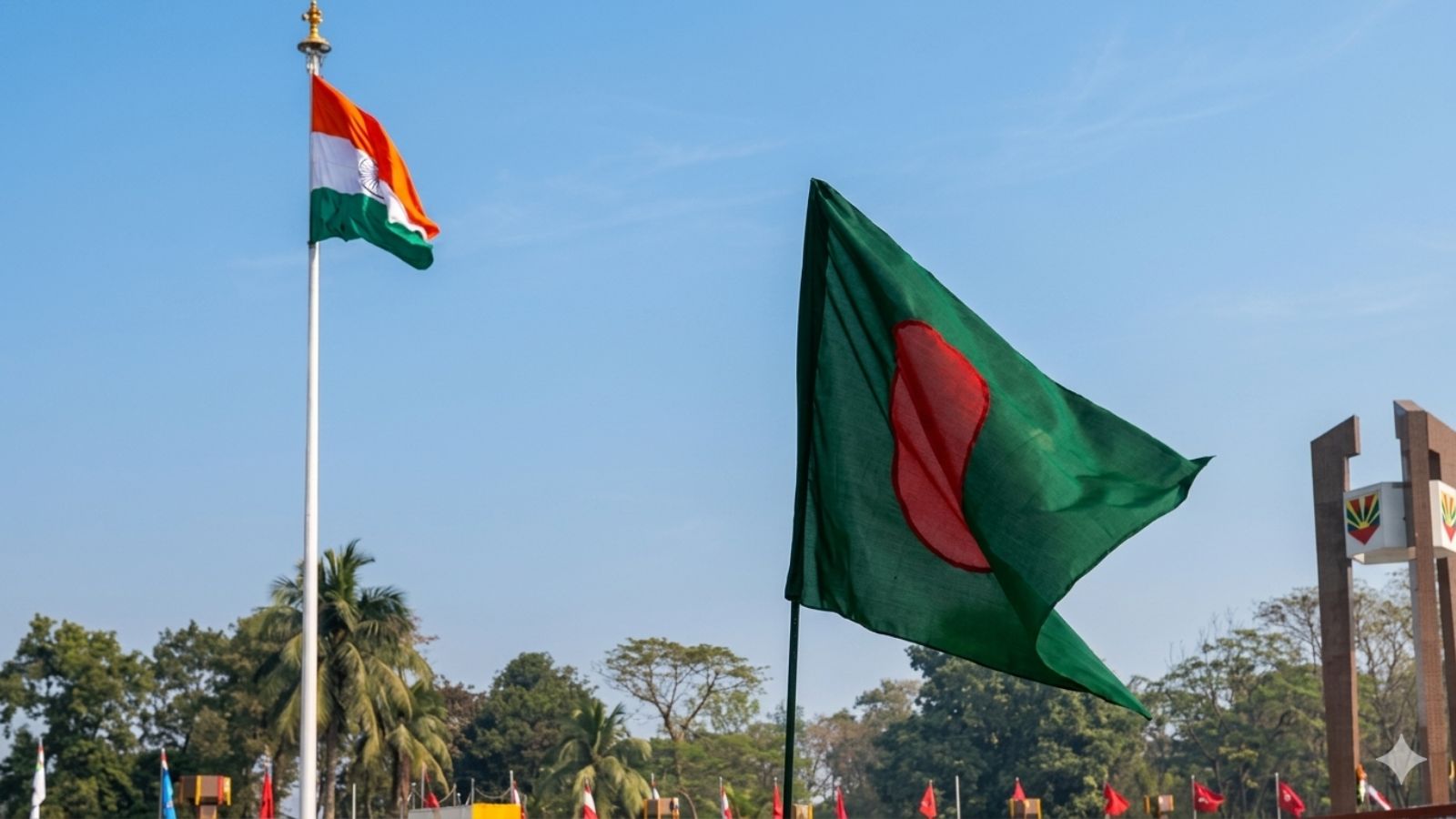
Diplomatic sources in India and Bangladesh indicate a key lobby within the External Affairs Ministry is working against attempts to mend relations between the two nations. Indian officials may be perturbed by the appointment of politician Dinesh Trivedi, rather than an Indian Foreign Service officer, as the country's High Commissioner in Bangladesh.
During a meeting with Indian diplomats earlier this year, Prime Minister Modi alluded to a trend of non-IFS ambassadorial postings in key regions. Trivedi's mediation efforts aimed at reducing tensions between the neighbors, including persuading Bangladesh Prime Minister Tarique Rahman to set dates for his visit to India, were met with resistance.
After the announced dates were leaked, the External Affairs Ministry took actions to obstruct the visit. Uncharacteristically, the MEA allowed Bangladesh's Prime Minister Shehrazad Hasina to hold a press conference at Delhi's Foreign Correspondents Club where she criticized the Bangladesh government. This came despite the fact that in 2021, the MEA had prevented a similar press conference at the Delhi Press Club and in 2018, denied permission for a British representative to speak on behalf of the late Khaleda Zia, who was incarcerated in Bangladesh.
Former Indian diplomats suggest the MEA's confrontational approach may have led to the cancellation of Rahman's visit. Tensions between India and Bangladesh are deepened by the fact that both sides harbor resentment towards one another. The Home Ministry is currently struggling following the excessive use of force by police against students protesting against CJI Justice Chandrachud.
However, just a month after the controversial July police actions, the Cabinet Secretary and Home Secretary, who were both scheduled to retire, received extended tenures. This appears to be a recognition of their maturity in refusing to comply with political pressure to escalate the crackdown on demonstrators at Jantar Mantar. The Home Secretary is credited with preventing the use of pellet guns, a heavy-handed tactic that backfired disastrously.
His efforts were supported by the Cabinet Secretary. The excessive police tactics adopted during the Jantar Mantar episode resulted in officials now frequently seeking written ministerial directives. Following the Jantar Mantar fiasco, officials are requesting written orders from ministers, a reflection of the damage caused by the mishandled situation.
BJP MPs who criticize what they term as the Delhi Lutyens culture have little empathy for the government's eviction notice issued to the Gymkhana Club. They view the club culture as a deliberate attempt to marginalize those who do not fit the mold. A minister recounted an incident when he visited Delhi as a visitor connected to a case in the Supreme Court.
He was taken by his lawyer to India International Centre for tea. However, he was made to feel like an outsider and suspected his lack of English proficiency was to blame. While this perception may be misguided, the comparison to the Gymkhana Club is considered unfair. The membership criteria for the IIC is based on professional achievements and interest in foreign affairs, whereas the Gymkhana Club is known for its hereditary membership and exclusivity.
Written by urgent.news from The Indian Express's reporting — not their text. Machine-written — may contain errors; check the original before relying on it.