India held together by making room for linguistic identity
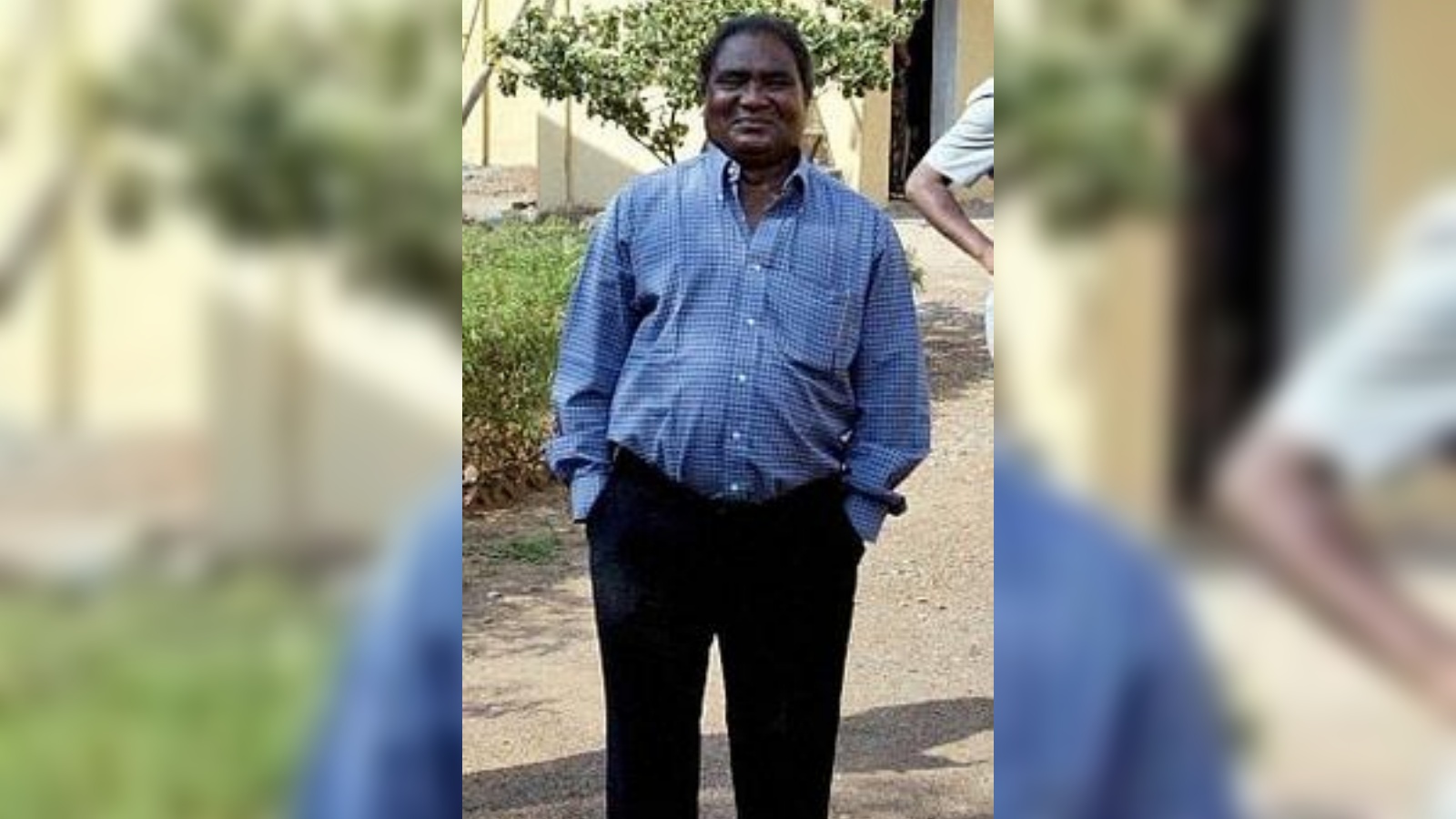
On December 3, 1952, frantic telegrams reached Prime Minister Jawaharlal Nehru, as Potti Sriramulu remained on a 46-day fast, demanding a state for Telugu-speaking districts in Madras. Nehru, unmoved, ignored his fast. The Governor of Madras and Union Labour Minister warned of consequences if Sriramulu died. Nehru's own words revealed unease, as the Andhra dispute became a "festering sore."
By December 9, Nehru proposed creating Andhra from uncontested Telugu-speaking areas, excluding Madras city. Six days later, Sriramulu passed away after 58 days of fasting. Riots and violence ensued. Nehru noted disturbances at Vijayawada railway station, and Parliament received reports of damaged property and disrupted communications.
Nehru maintained that the decision to create Andhra followed his December 9 announcement, not Sriramulu's death. However, in Parliament, he acknowledged the Andhra question was entangled with the self-sacrifice of the fast. After 17 days of hesitation, the government finally took decisive action. On December 20, Nehru insisted on speed, as the Union government faced a question it had postponed since Independence.
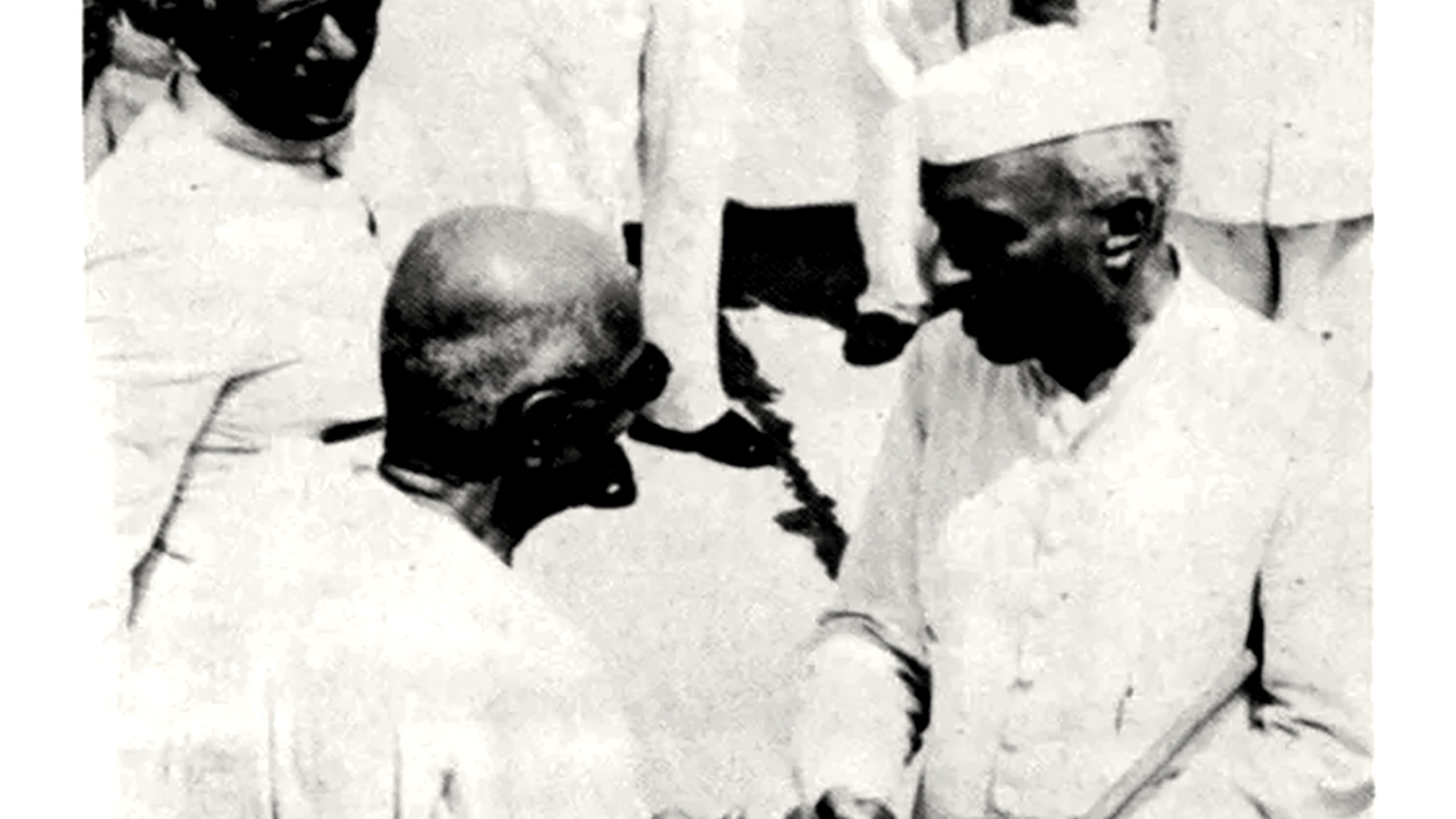
The Congress had not always feared the consequences of language-based states. In 1920, it reorganized provincial committees along linguistic lines, and Gandhi supported linguistic provinces, warning against weakening Indian unity. Partition led to fears that a language-based province might deem itself a nation. The Linguistic Provinces Commission advised against reorganizing provinces primarily by language, while the JVP Committee recommended postponement while accepting potential public sentiment.
The Constituent Assembly ensured that India's internal borders wouldn't be permanent, with Parliament having the power to redraw the map. The States Reorganisation Commission was formed to address demands from Marathi, Kannada, and Malayalam speakers, chaired by Justice Fazl Ali. The Commission spent two years listening to competing versions of the map, receiving 152,250 documents, traveling over 38,000 miles, and interviewing over 9,000 people.
The report explained that language could no longer be ignored, as universal adult franchise required the government to work in languages voters understood. Multilingual provinces also saw communities suspecting one another of monopolizing public jobs, development funds, and political power. The commissioners warned against treating a linguistic state as the exclusive homeland of its largest community, as this would reduce residents speaking other languages to "alien settlers."
Once Andhra state was created on October 1, 1953, demands from other language-speaking regions could no longer be ignored. Nehru appointed Justice Fazl Ali to chair the States Reorganisation Commission. The three commissioners deliberated for two years, with the report emphasizing the importance of language in a multilingual India. By November 1, 1956, India had 14 states and six UTs, with Marathi- and Gujarati-speaking regions placed together in an enlarged bilingual Bombay state.
Written by urgent.news from The Indian Express's reporting — not their text. Machine-written — may contain errors; check the original before relying on it.