Govt in a tangle over Supreme Court ruling on 'creamy layer'
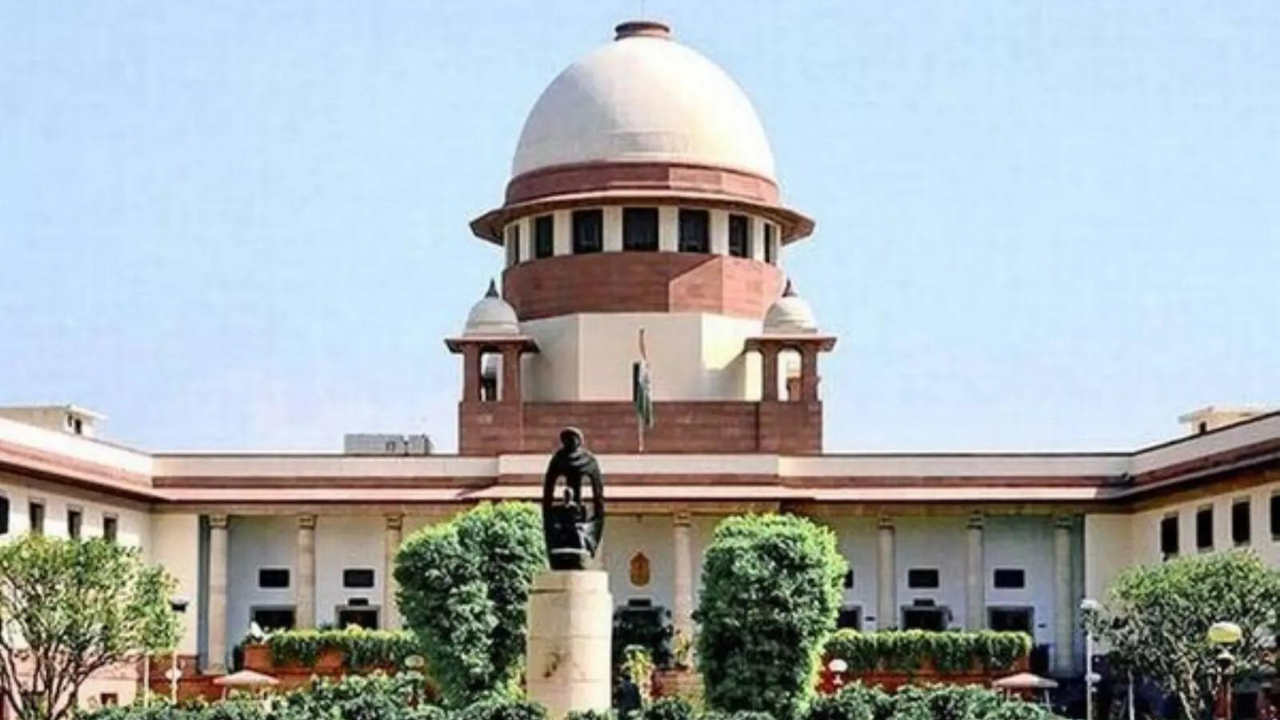
The Indian government faces a dilemma following the Supreme Court's recent ruling on the "creamy layer" criterion for OBC candidates in civil services. On August 25, the government petitioned the apex court for clarification on the Rohit Nathan judgement, which determined that salary could not be included in income to ascertain if a candidate from a PSU background falls into the creamy layer.
Government officials sought permission to proceed with the allocation of services for the Civil Services-2025 examination without implementing the Nathan judgement, while simultaneously questioning the Supreme Court's definition of the creamy layer.
Interestingly, just a week prior, the government had informed the Central Administrative Tribunal (CAT) that the SC order of March 11 would be executed. The ASG later confirmed that a decision had been made to implement the judgement as defined in the Union of India vs Rohit Nathan case. On August 19, the CAT was hearing a contempt petition against the government, as OBC candidate Basant Singh requested the bench to enforce the earlier order for his induction into the civil services.
The ASG informed the CAT that 56 similarly placed candidates were also being considered. The CAT subsequently put off the case based on the government's undertaking to take necessary steps to implement the Nathan judgement.
The apparent contradictory positions taken by the government within a week have disappointed OBC candidates, who felt the March Supreme Court ruling had ended their wait for inclusion in the civil services. The center's differential implementation of the creamy layer criterion for OBCs from PSU backgrounds and others has created confusion.
While salary and agricultural income are excluded from computing a family's income under a 1993 office memorandum, the DoPT has been considering salary for candidates whose parents worked in PSUs. The government's reference to the absence of equivalence of posts in PSUs, banks, and universities has further muddied the waters. However, according to guidelines, posts in Group A and Group B are ineligible for quotas, while others are eligible if their annual income does not exceed Rs 8 lakh.
Written by urgent.news from Times of India's reporting — not their text. Machine-written — may contain errors; check the original before relying on it.
This story
This is one outlet's version. Read the fullest account.
- Two Indiana players get TRO to return for 2026 sports.yahoo.com