Fuel prices are being handled well by Malaysia: Not so fortunate for the rest of Asean — Phar Kim Beng
SEPTEMBER 7 — Malaysia should not congratulate itself too quickly. But neither should it ignore something that has...
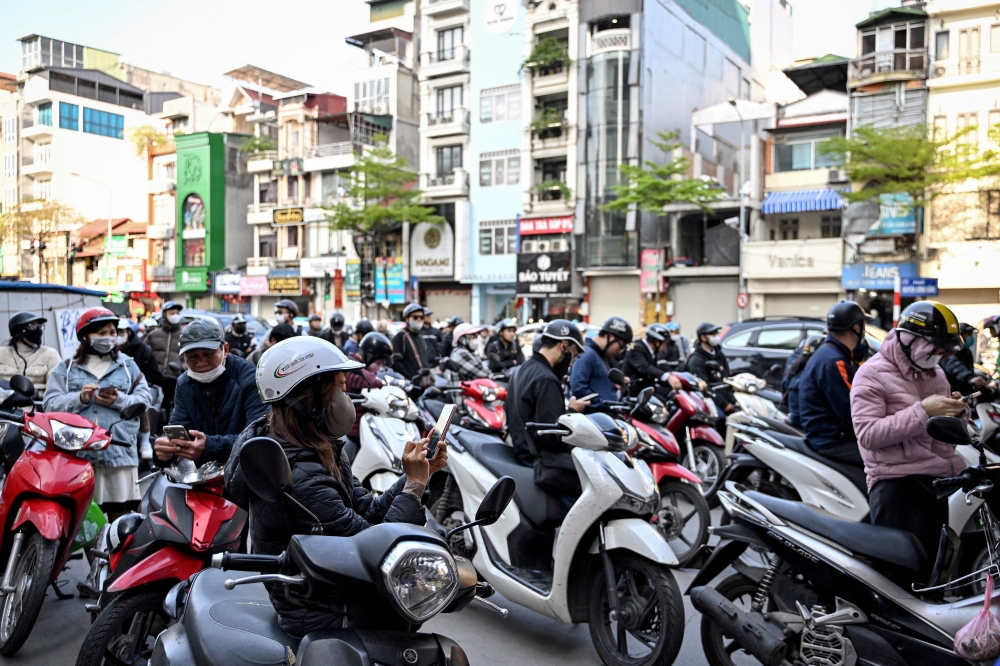
Malaysia should not boast about its handling of fuel prices just yet. However, it has managed the recent global energy crisis better than some of its Asean neighbors. Prime Minister Anwar Ibrahim’s economic adviser, Nurhisham Hussein, noted that Malaysia’s fuel supply remains stable despite tightening global supplies. Petronas is confident in securing sufficient supplies by the end of the year. What’s more, Malaysia has avoided severe physical shortages that an international energy crisis could have caused.
The issue goes beyond just fuel prices, though, as oil prices may stay high for another two to three years. Countries that have depleted their reserves might not replenish them aggressively until prices approach around US$80 a barrel. Malaysia has several advantages, including being a significant oil and gas producer, a net exporter of liquefied natural gas, and having robust domestic energy infrastructure and Petronas.
The government has also chosen not to expose households completely to international price fluctuations, maintaining subsidised RON95 at 300 litres with a price of RM1.99 per litre. Malaysia’s overall inflation remains around two percent, which serves as an important economic buffer.
However, many Asean countries are not as fortunate. The Philippines is particularly vulnerable due to its dependence on imported energy and limited buffers. Thailand faces challenges from a large oil and gas trade deficit. Indonesia, despite having greater domestic energy resources, must contend with the high fiscal costs of shielding its population from international prices.
The Asean dilemma lies in the fact that governments can either allow international oil prices to pass through to consumers, risking inflation and political dissatisfaction, or subsidise energy heavily, transferring the shock onto government budgets. Either way, neither option is painless, as fossil-fuel support across South-east Asia amounted to US$353.1 billion in 2024.
Malaysia’s relative success should be seen as strategic management rather than immunity. The country still has to pay for subsidies, and businesses face higher costs for diesel, electricity, transportation, and inputs. An extended period of expensive crude could eventually affect supply chains. Malaysia cannot ignore the impact on its neighbors, as Asean is an interconnected production platform.
Energy security should become an Asean issue rather than a set of individual national problems. Strengthening the Asean Power Grid, diversifying towards renewable energy, enhancing regional electricity interconnection, promoting electric vehicles, improving public transportation, and enhancing energy efficiency are crucial steps.
China’s growing adoption of electric vehicles is already helping to moderate global petroleum demand.
The West Asian crisis has shown how geopolitical instability thousands of kilometers away can directly affect the household budgets of South-east Asians. Energy transition should not be viewed solely through the lens of climate change; it is increasingly about strategic autonomy. Every additional unit of domestically generated electricity from renewable sources reduces exposure to distant conflicts and vulnerable maritime chokepoints.
Malaysia has fared better than anticipated during this difficult period, thanks to stable supplies, targeted fuel support, Petronas’ global reach, and relatively contained inflation. However, if Nurhisham is correct that elevated oil prices may persist for another two or three years, Malaysia cannot merely celebrate its survival.
It should use the breathing space to prepare for the next crisis. Moreover, Malaysia should help Asean do the same, as energy resilience cannot stop at Malaysia’s borders.
Written by urgent.news from Malay Mail's reporting — not their text. Machine-written — may contain errors; check the original before relying on it.