From sugarcane fields to dialysis: the kidney crisis that crosses borders
Chronic kidney disease was long thought to be an old person’s malady. Now it’s a multinational health crisis among young Latino migrants who once worked on Central American farms and sugar plantations. To avoid expensive treatment in the United States, many return home, only to discover limited care for the deadly illness
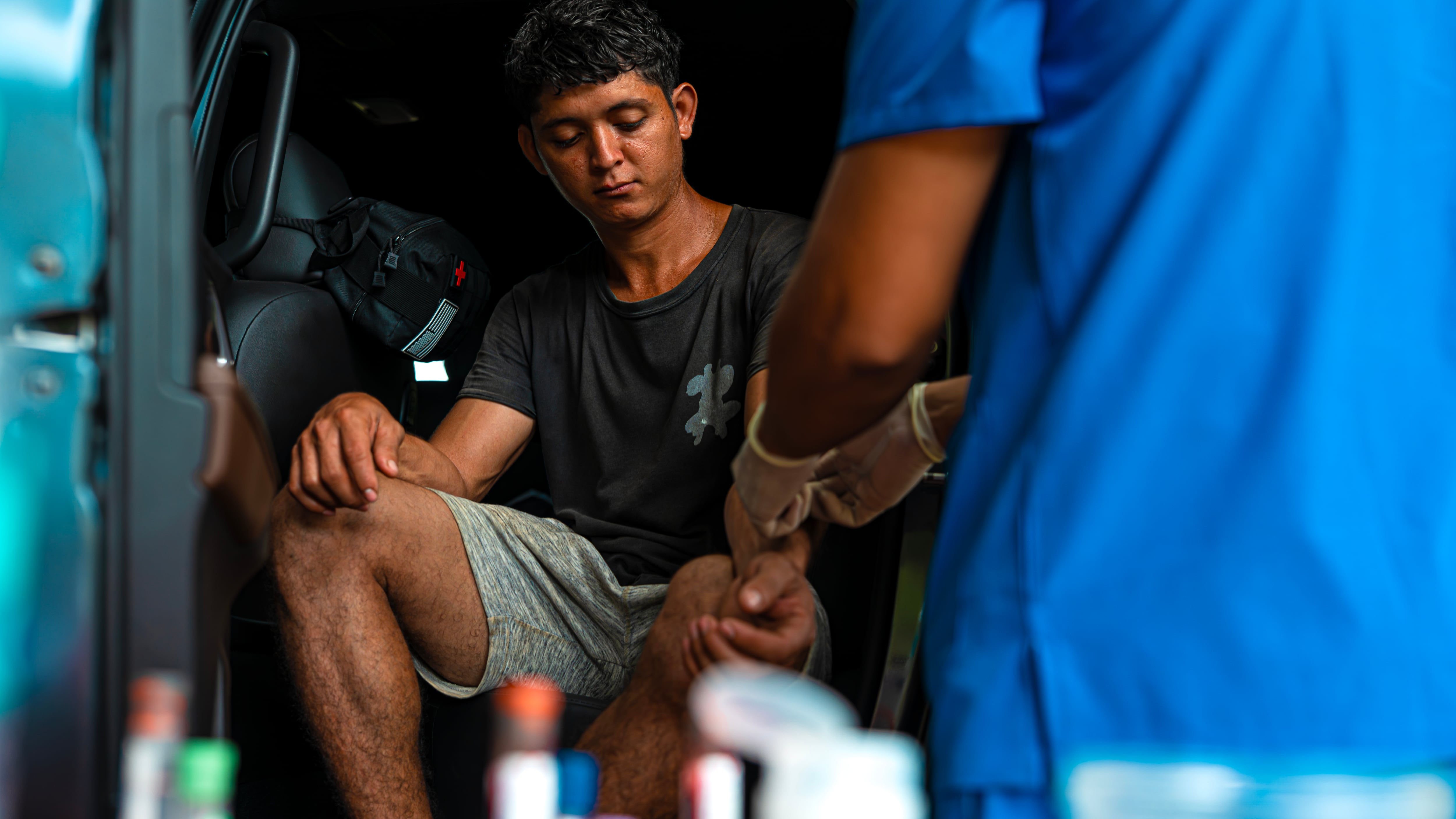
Evelyn Morales learned her brother Alberto had been diagnosed with kidney failure in the United States after he had returned home from construction work. She knew full well the gravity of the disease, as one of her sisters had died from it four years earlier. Alberto, 37, had worked across the U.S. as a construction worker for over a decade before his health began to deteriorate.
He fell ill with fever and pain, and could no longer work. His mother urged her to help Alberto return to El Salvador so she could bury him there if he died. A disease called Mesoamerican nephropathy, whose exact cause is unknown, is affecting Central Americans, particularly those living along the Pacific coast of Central America.
This illness is believed to be caused by exposure to agrochemicals, heat stress, and inadequate hydration. Ramon García Trabanino, a leading expert on the disease, believes that it will continue to worsen with climate change. In El Salvador's Usulutan department, which is highly affected by the disease, young laborers and even police officers are at risk of heat stress.
Symptoms usually appear years after repeated heat stress has damaged the kidneys. When Alberto returned to El Salvador in 2024, he was diagnosed with kidney failure. He had to choose between receiving expensive treatment in the U.S. or seeking affordable care in his homeland. Health experts believe the official mortality rates for kidney disease in El Salvador are underestimated, as many patients return to their home countries for treatment.
Written by urgent.news from El Pais English's reporting — not their text. Machine-written — may contain errors; check the original before relying on it.