Eskom’s turnaround makes case against unbundling
Eskom’s return to profitability raises serious questions about whether breaking up the power utility remains in the public interest, particularly for poor and rural communities.
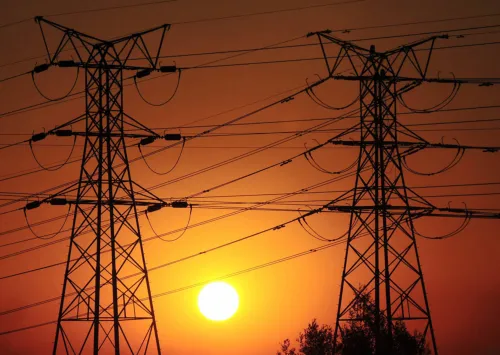
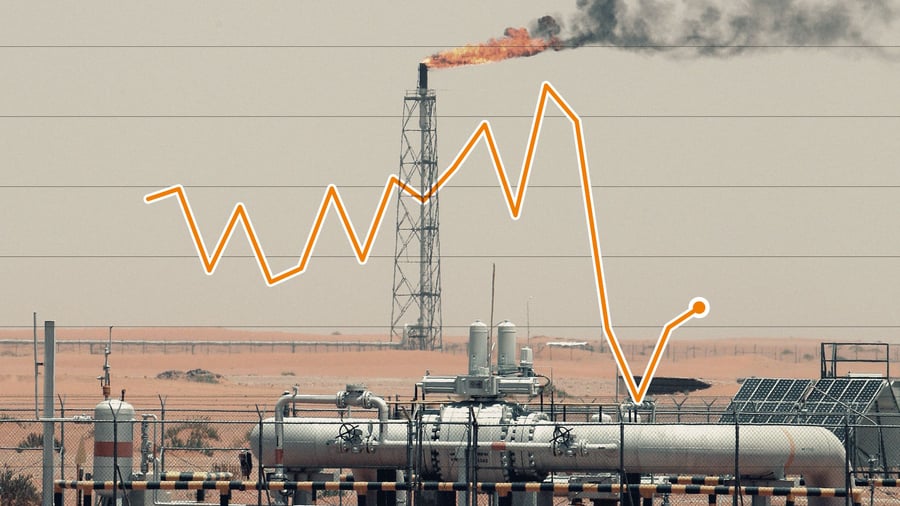
South Africa's power utility, Eskom, has reported a remarkable R30.3 billion profit for the second year in a row, marking a significant turnaround after facing near-collapse just a few years ago. This impressive financial success has been attributed to the leadership of Minister of Electricity and Energy Dr Kgosientsho Ramokgopa, Eskom board chairperson Mteto Nyati, group CEO Dan Marokane, and chief financial officer Calib Cassim.
This turnaround is a stark contrast to the disastrous period under former CEO André de Ruyter, when Eskom dealt with severe operational challenges and experienced unprecedented loadshedding, leaving South Africa in dire situations.
While Eskom's financial improvement is commendable, it raises a crucial question: if profitability was a factor in justifying Eskom's unbundling, what now stands as a compelling argument for breaking it apart? Over the past three years, Eskom appears to have turned a corner, with Ramokgopa showcasing the political will to restore the utility and potentially reducing its dependence on government bailouts, leading to a more sustainable future.
However, there is a potential downside to shifting a significant portion of South Africa's electricity supply to private hands. Private companies, driven by commercial sustainability and returns, may not prioritize the broader public-service responsibility that Eskom holds. Eskom is tasked with providing electricity to rural and less commercially attractive areas, where providing power might not be financially viable.
As electricity prices become increasingly unaffordable for many households, a profit-driven system could exacerbate the challenge of access for poor and rural communities, with potentially devastating long-term consequences for development and livelihoods.
The ANC Youth League's cautious stance on Eskom's unbundling should not be dismissed lightly. President Cyril Ramaphosa has shown his support for restructuring Eskom and increasing the role of independent power producers (IPPs). Sometimes, it may be wiser to fix what is broken rather than break it up. However, if the real motive behind unbundling is to dismantle Eskom, reduce it to a hollow shell, and hand over the electricity market to IPPs, then unbundling becomes more about benefiting IPPs at Eskom's expense, rather than rescuing the beleaguered utility.
Written by urgent.news from IOL's reporting — not their text. Machine-written — may contain errors; check the original before relying on it.