CRYPTOCURRENCY: African nations move to bring stablecoins into the financial mainstream
World-leading uptake of mobile money gives the continent a head start as regulators set rules for new forms of tokenised finance.
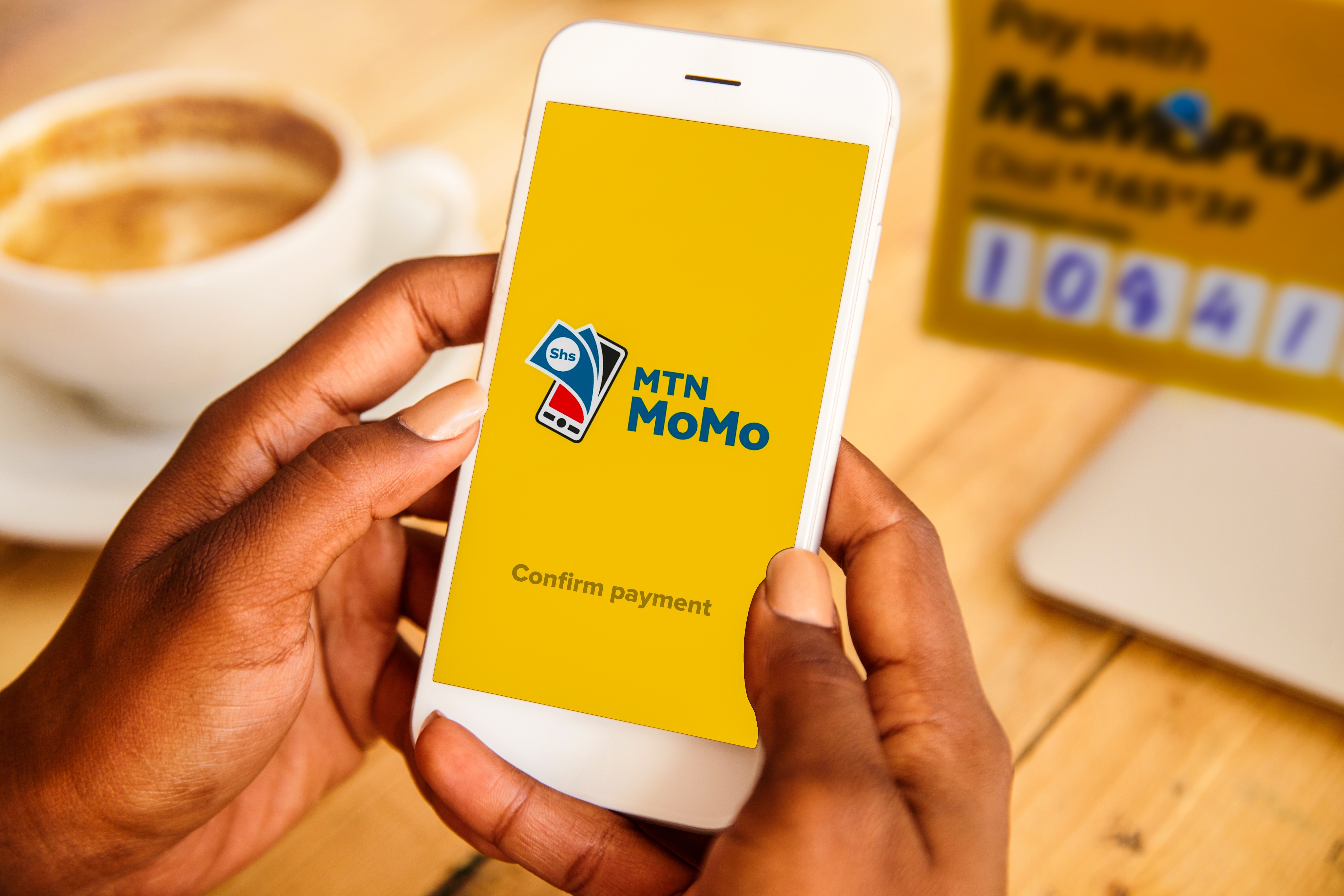
African nations are making strides to incorporate stablecoins into the mainstream financial system. With the continent's strong adoption of mobile money, regulators are beginning to establish rules for these digital assets. Ghana, Mauritius, and Uganda are among the countries developing regulations for stablecoins and other digital currencies.
Stablecoins are digital tokens that aim to maintain a stable value against an asset, often a national currency like the US dollar. Unlike volatile cryptocurrencies like bitcoin, stablecoins function more like traditional fiat digital cash. Their popularity is driving regulators in these three countries to collaborate on shared standards, joint testing, and ultimately, easier movement of licensed firms between markets.
The rise of stablecoins is particularly useful in Africa, where cross-border money transfers are often slow, costly, and difficult to access. Stablecoins can facilitate faster, cheaper transactions and are part of the broader shift towards tokenized finance, where money and other assets are represented as digital tokens on blockchain networks.
Mobile money services in Africa processed over $2 trillion globally in 2025, with registered accounts reaching 2.3 billion and active accounts at 593 million, most of the growth coming from sub-Saharan Africa. African users and businesses may have an edge in adopting stablecoins and other tokenized currencies due to their existing experience with digitally native wallets on phones.
Unlike conventional mobile money balances, stablecoins can be transferred between compatible blockchain wallets without going through the mobile money provider's network. This difference is already being utilized by African businesses. Yellow Card, a company operating in Nigeria and over 20 other African countries, sees stablecoins being used for cross-border payments, treasury management, and transfers between African countries.
Africa is currently the most expensive region for moving money across borders, according to the World Bank. Gillian Darko, vice-president of strategy at Yellow Card, suggests using dollar-pegged stablecoins for cross-border settlement and local-currency stablecoins for domestic use. Tahiru Alhassan, head of oversight and compliance at the Bank of Ghana, emphasizes that stablecoins for cross-border payments should be complemented by instant domestic payments to minimize friction.
Regulators are aware that stablecoins may leave out those outside the formal financial system if they rely on bank accounts, identity checks, reliable internet, and other costly tools. As central banks consider the role of stablecoins in financial systems, the regulatory debate is ongoing. Ghana, Mauritius, and Uganda are each developing separate frameworks for treating stablecoins as distinct digital assets, with the Bank of Ghana considering a license for locally issued cedi-backed stablecoins.
Written by urgent.news from Daily Maverick's reporting — not their text. Machine-written — may contain errors; check the original before relying on it.