Berlin’s Central Station: Built to Impress
Twenty years ago, Berlin's central station was inaugurated. It is a giant construction with five levels and train tracks in all directions. Designed by the architect who developed Tegel Airport, the German capital's "Hauptbahnhof" is nothing less than stunning.
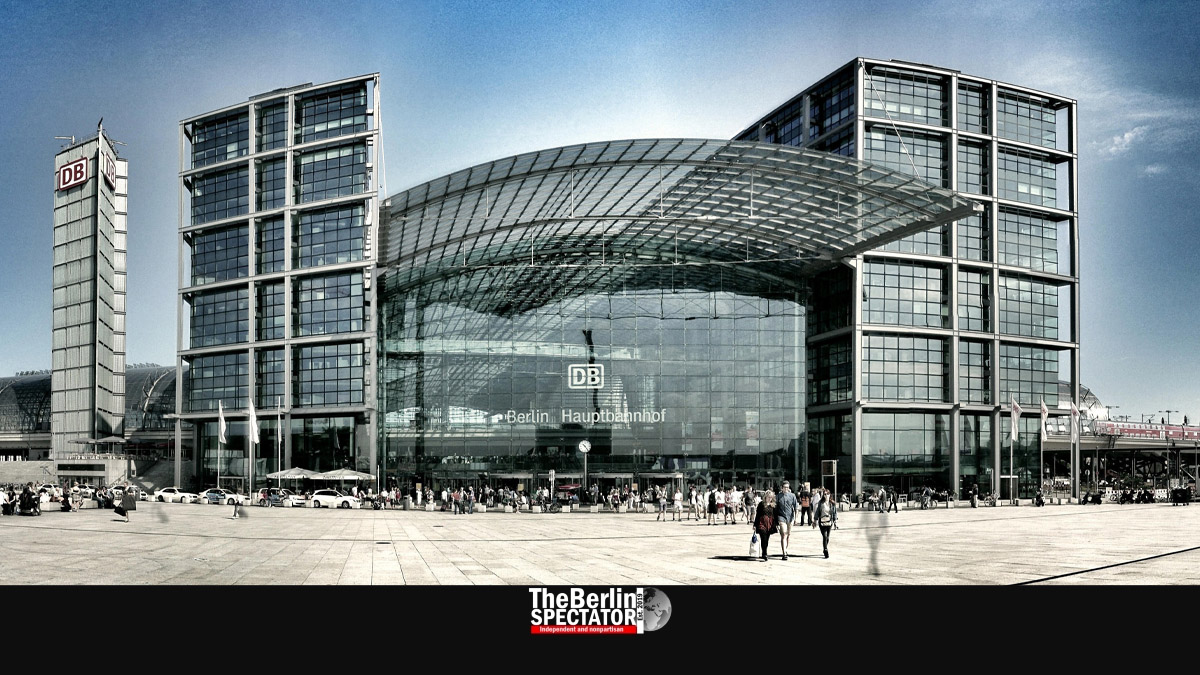
Berlin's Central Station, also known as "Hauptbahnhof," is a massive and impressive train station that was constructed to handle the city's growing population and transportation needs after Germany's reunification. The station was designed by renowned architect Meinhard von Gerkan, who had previously worked on notable projects such as Tegel Airport and airports in Stuttgart, Hamburg, and Moscow.
The name "Hauptbahnhof" is derived from German words meaning "main" (Haupt), "railroad" (Bahn), and "yard" (Hof). The station is a testament to German architectural prowess, with a design that incorporates elements of its predecessor stations, such as "Lehrter Bahnhof" and "Lehrter Stadtbahnhof."
Upon completion, Berlin's Central Station became the largest interchange station in Europe, featuring five levels, 18 platforms, and accommodating trains of various types, including ICE (Intercity-Express) trains that reach speeds of up to 250 km/h (155 mph). The station spans an area of 430 by 430 meters (1,410 feet by 1,410 feet) and previously saw an average of 329,000 passengers per day before the COVID-19 pandemic.
In addition to its impressive infrastructure, the station also houses numerous shops, restaurants, and businesses, including a pharmacy that operates 24/7. It also features a solar-powered roof and its own power station. Passengers can easily bypass the station when traveling to the northwestern part of Berlin, as well as head towards Hanover at Ostbahnhof and Hamburg at Südkreuz.
Since 2022, Berlin's Central Station has been a crucial hub for Ukrainian refugees arriving in the country, with hundreds of thousands of them passing through the station. The station's strategic location near the Spree river and its proximity to important landmarks like the Chancellery, Reichstag, and Cube Berlin make it a visually stunning and essential transportation hub in the German capital.
Written by urgent.news from The Berlin Spectator's reporting — not their text. Machine-written — may contain errors; check the original before relying on it.