Why your blood sugar may rise after HIIT or heavy lifting
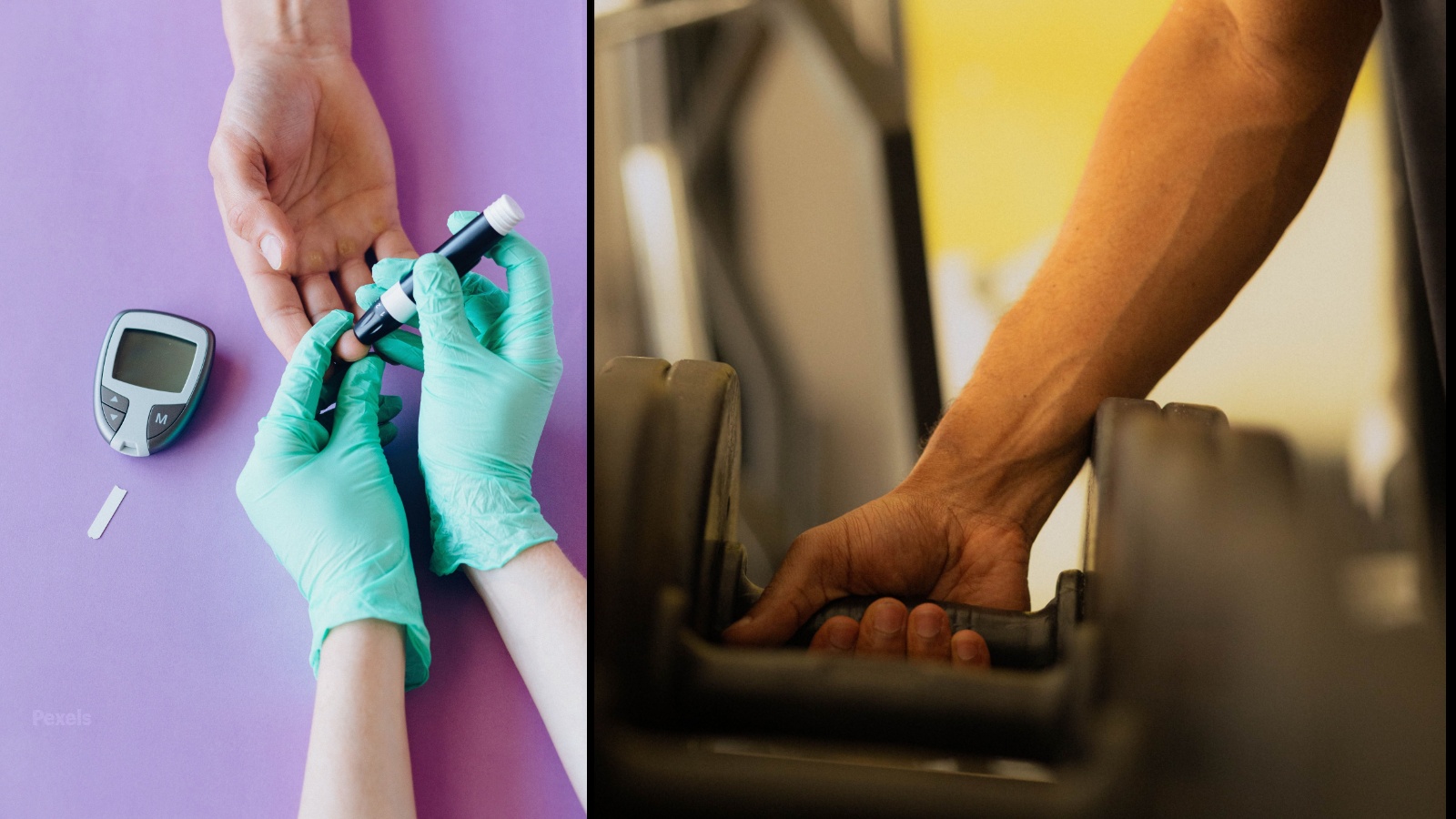
After engaging in intense exercise like HIIT, heavy lifting, or other strenuous activities, some individuals may notice their blood sugar levels increase temporarily. This phenomenon is not necessarily a cause for concern, as regular exercise typically helps manage blood sugar by utilizing glucose for energy. However, during exercise, the body releases stress hormones, such as adrenaline, noradrenaline, and cortisol, which signal the liver to release stored glucose into the bloodstream to fuel muscles.
If the liver expels glucose faster than muscles can consume it, blood sugar levels may rise temporarily during or immediately after the workout.
Medical professionals emphasize that while exercise generally lowers blood sugar, the body may perceive intense physical activity as a form of physiological stress. Consequently, stress hormones rise, prompting the liver to release additional glucose through processes like glycogenolysis and gluconeogenesis. In individuals with diabetes, this effect can be more pronounced, particularly if insulin secretion or action is insufficient to counteract the extra glucose released by the liver.
Not all forms of exercise result in the same glucose response. Temporary rises are more commonly observed during high-intensity interval training (HIIT), sprinting, heavy resistance training, and very strenuous or competitive exercises. These workouts induce a stronger release of adrenaline and other counter-regulatory hormones, causing the liver to swiftly deposit more glucose into the bloodstream.
Dr. Rajiv Kovil, a Diabetes & Obesity Specialist, notes that heavy strength training can have a similar effect, especially during intense sets or compound exercises.
Despite this, people with diabetes should not avoid strength training altogether, as resistance exercise combined with aerobic activity can improve insulin sensitivity and glucose control over the long term. However, the response to exercise can vary among individuals, and other factors such as pre-exercise carbohydrates, starting blood sugar levels, dehydration, and stress can also influence the reading.
A slight increase in blood sugar immediately following vigorous exercise can be considered a normal physiological response. As the body recovers and stress hormone levels decrease, blood sugar should generally return to its usual level. It is essential to monitor blood sugar levels post-workout and consult a healthcare provider if the rise is persistent, repeatedly very high, or accompanied by symptoms like excessive thirst, frequent urination, nausea, abdominal discomfort, unusual weakness, or difficulty breathing.
For those with type 1 diabetes, closely monitoring blood or urine ketones when blood sugar levels exceed 250 mg/dL, especially if accompanied by symptoms, is crucial. Significant hyperglycemia with ketones warrants postponing strenuous exercise and following the individual's diabetes sick-day plan, as exercise can exacerbate high blood sugar and increase the risk of diabetic ketoacidosis.
To address regular post-workout spikes, medical experts recommend tracking blood sugar levels before and after exercise, along with workout intensity, duration, and timing of pre-exercise meals or snacks. Continuous glucose monitoring can also help identify whether specific workouts consistently lead to a spike. Adding 10-20 minutes of moderate-intensity aerobic activity or a post-workout walk may help muscles utilize circulating glucose, thereby reducing blood sugar levels. Staying adequately hydrated is also important.
However, individuals using insulin should exercise caution when adjusting insulin doses based solely on post-workout blood sugar levels. Exercise can enhance insulin sensitivity for several hours, potentially causing delayed low blood sugar. It is crucial not to automatically administer insulin to correct every post-workout rise without medical guidance, as insulin sensitivity can remain elevated for hours following exercise, potentially leading to low blood sugar later.
Written by urgent.news from The Indian Express's reporting — not their text. Machine-written — may contain errors; check the original before relying on it.
This story
This is one outlet's version. Read the fullest account.
- Why your blood sugar may rise after HIIT or heavy lifting indianexpress.com