Why your blood sugar may rise after HIIT or heavy lifting
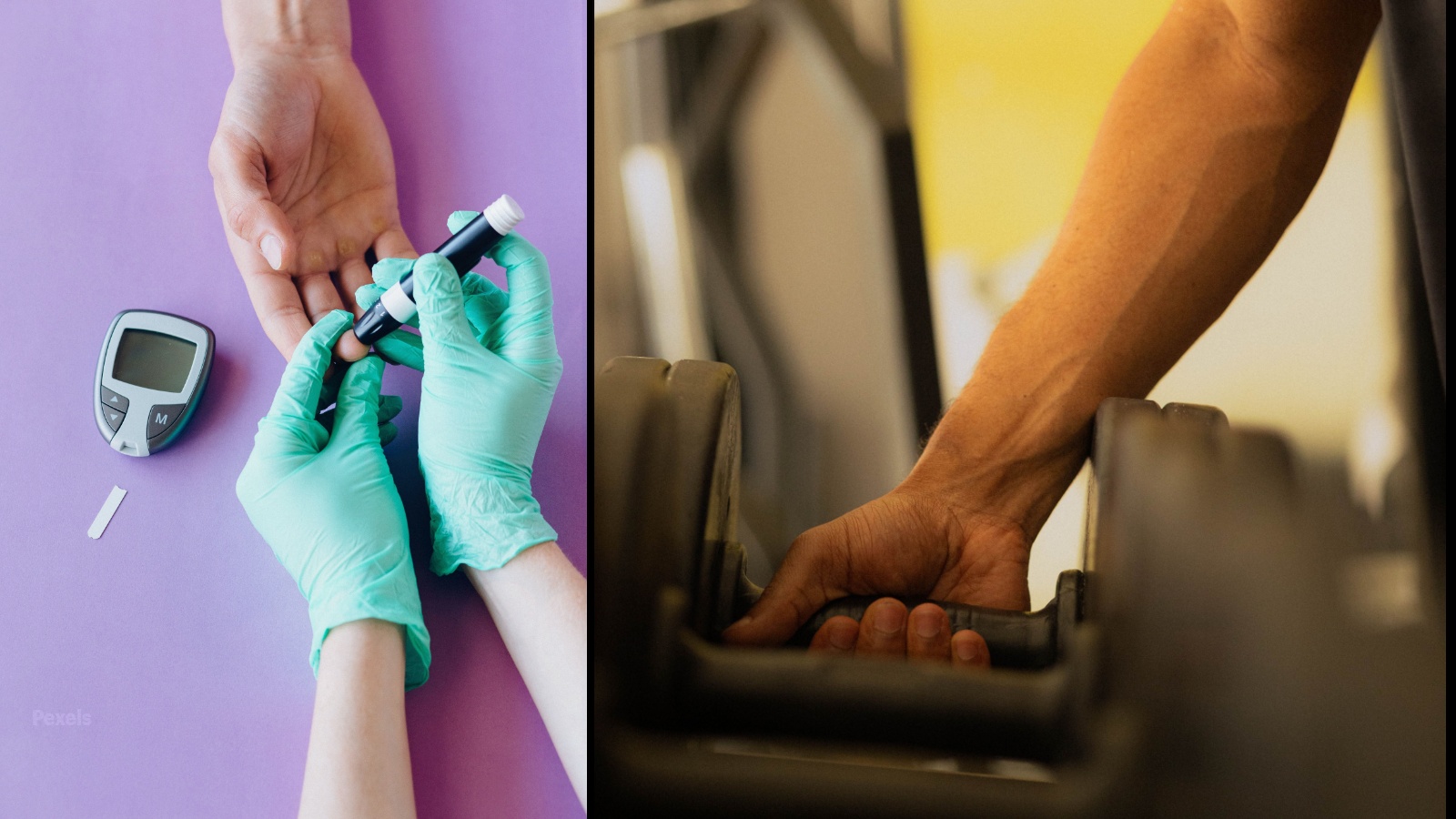
Understanding that exercise is typically beneficial for managing blood sugar, it can be puzzling to discover a spike in glucose levels after a workout. However, the type and intensity of the exercise can significantly influence the body's response. According to Dt. Archana Batra, a Dietitian and Certified Diabetes Educator, exercise generally aids blood sugar control as muscles utilize glucose for energy.
Nonetheless, during exercise, the body secretes stress hormones like adrenaline, noradrenaline, and cortisol. These hormones prompt the liver to discharge stored glucose into the bloodstream to supply energy for muscles. If the liver releases glucose faster than muscles can consume it, blood sugar might temporarily rise during or right after the workout.
Dr. Rajiv Kovil, a Diabetes & Obesity Specialist at Zandra Healthcare, reinforces this concept, stating that exercise usually lowers glucose because active muscles absorb glucose and become more responsive to insulin. However, strenuous exercise may be perceived by the body as a form of physiological stress, leading to an increase in stress hormones.
These hormones signal the liver to release more glucose via processes like glycogenolysis and gluconeogenesis. If the liver's glucose output temporarily exceeds what the exercising muscles consume, blood glucose could rise.
Certain workouts are more likely to cause a glucose spike. These include high-intensity interval training (HIIT), sprinting, heavy resistance training, and very strenuous or competitive exercises. Such workouts typically provoke a more substantial release of adrenaline and other counter-regulatory hormones, causing the liver to swiftly inject more glucose into the bloodstream. Dr. Kovil notes, "Adrenaline stimulates the liver to rapidly release glucose so that muscles have immediate fuel available."
While people with diabetes might notice this effect more due to insufficient insulin secretion or action to counteract the extra glucose released by the liver, this doesn't imply they should shun strength training. Resistance exercise, when combined with aerobic activity, can enhance insulin sensitivity and glucose control over the long term.
On the other hand, moderate-intensity activities like brisk walking, cycling, or swimming generally motivate muscles to utilize circulating glucose and tend to reduce blood sugar levels.
However, the response to exercise can differ among individuals. Other factors, such as carbohydrates consumed before exercise, initial blood sugar levels, dehydration, and stress, can also affect the reading. Generally, a modest rise immediately after vigorous exercise is considered a normal physiological response. As recovery commences and stress-hormone levels wane, blood sugar should typically revert to its usual level.
Thus, rather than focusing on a single post-workout pattern, individuals with diabetes should be more concerned if the rise is persistent, consistently high, or accompanied by symptoms like excessive thirst, frequent urination, nausea, abdominal discomfort, unusual weakness, or difficulty breathing.
Dr. Kovil advises checking blood or urine ketones when blood sugar exceeds 250 mg/dL, especially if symptoms are present, as significant hyperglycaemia with ketones necessitates postponing strenuous exercise and adhering to a diabetes sick-day plan, as exercise could worsen high blood sugar and elevate the risk of diabetic ketoacidosis.
For those experiencing regular post-workout spikes, both experts recommend identifying a pattern. Batra suggests tracking blood sugar levels before and after exercise, along with the workout's intensity and the time interval between meals or snacks consumed beforehand. Continuous glucose monitoring can also assist in determining whether specific workouts consistently result in a spike.
Dr. Kovil recommends checking glucose levels before exercise, immediately after, and again one to two hours later, while documenting the workout's type, duration, intensity, meals, and insulin or other medication usage.
If spikes primarily occur after HIIT or heavy resistance training, adding 10-20 minutes of moderate-intensity aerobic activity or a post-workout walk may aid muscles in utilizing circulating glucose. Staying adequately hydrated is also crucial. However, insulin users should avoid independently administering a large corrective dose immediately after exercise.
This is because exercise can heighten insulin sensitivity for several hours, potentially leading to low blood sugar later. Batra emphasizes, "Importantly, one should not automatically take insulin to fix every post-workout rise without medical advice because insulin sensitivity can remain high for hours after exercise and may lead to low blood sugar later."
Written by urgent.news from The Indian Express - Lifestyle's reporting — not their text. Machine-written — may contain errors; check the original before relying on it.
Also reported by 1 other outlet
- Why your blood sugar may rise after HIIT or heavy lifting indianexpress.com