Why former East Germany became the stronghold of far-right AfD
More than three decades after Germany’s 1990 reunification, lasting east-west divisions may be thrown into stark relief at Sunday’s election in the eastern state of Saxony-Anhalt. The anti-immigration and Moscow-friendly Alternative for Germany (AfD) is expected to win big and even hopes to take power at the state level, which would be a first for a far-right party in German post-war history. As…
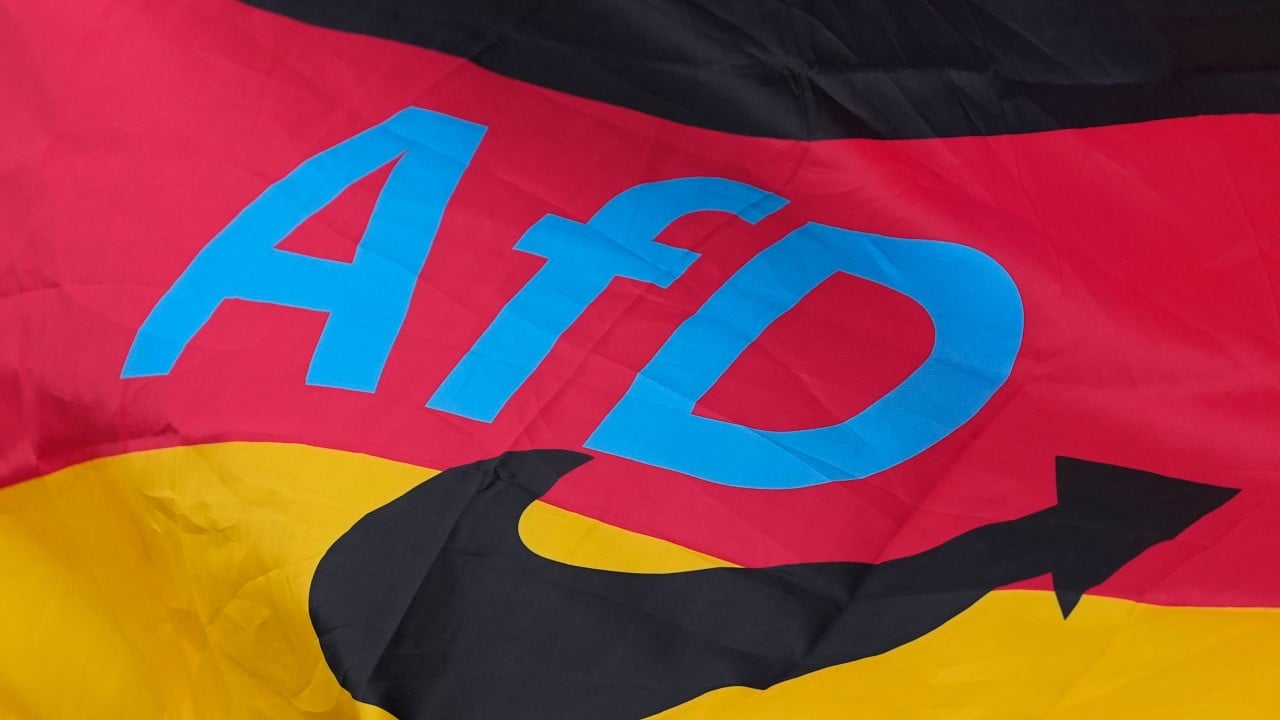
Over three decades after Germany’s 1990 reunification, lasting east-west divisions may resurface at Sunday’s election in the eastern state of Saxony-Anhalt, according to the government’s commissioner for eastern Germany, Elisabeth Kaiser. The Alternative for Germany (AfD) party, known for its anti-immigration stance and pro-Moscow policies, is expected to perform well and potentially take power at the state level, marking a first for a far-right party in German post-war history.
The eastern regions have become an AfD stronghold, with the government's commissioner attributing this to historic and cultural factors. After the Berlin Wall fell in 1989, many state-owned enterprises closed, leading to large-scale unemployment and population flight, particularly among young women. This experience of devaluation, loss, and the realization that everything could change overnight has persisted across generations, shaping the collective East German memory, Kaiser noted.
Decades later, wages and savings remain lower on average in eastern Germany, most big businesses are still headquartered in the west, and eastern Germans are underrepresented in politics. Despite billions spent on infrastructure and economic stimulation, the region still faces significant disparities in wealth and a sense of being disadvantaged and overlooked.
Kaiser emphasized that while the AfD's hostility towards migration resonates in much of the east, the region was not an immigrant society due to the limited number and limited duration of contracts provided to workers from socialist "brother states."
Kaiser also addressed warnings that the former East Germany was being romanticized, a trend known as Ostalgie. She highlighted that populists were using emotionally charged elements from the GDR era, such as the Simson-brand scooter, often associated with freedom and mobility. While older voters may recall feeling more secure in the GDR, Kaiser pointed out that this security was a result of the state's tight control and surveillance.
Many eastern Germans take pride in the peaceful revolution of 1989, viewing it as proof of their collective ability to overthrow a system. The AfD supports closer ties to Russia, despite its invasion of Ukraine and allegations of "hybrid attacks" by Moscow. Kaiser explained that the lingering effects of the Soviet era have fostered a strong anti-American sentiment and a lingering skepticism towards the transatlantic alliance in the east.
Many in the region are eager for renewed diplomacy with Russia, a path that the Kremlin has shown little willingness to pursue.
Written by urgent.news from South China Morning Post's reporting — not their text. Machine-written — may contain errors; check the original before relying on it.
Also reported by 2 other outlets
- How the east became Germany's far-right stronghold thelocal.de
- How the east became Germany’s far-right stronghold malaymail.com