Venus is disappearing from the evening sky — here's how to see it while you can
Venus is sinking lower into the sunset this September, but the brilliant Evening Star won't be gone for long.
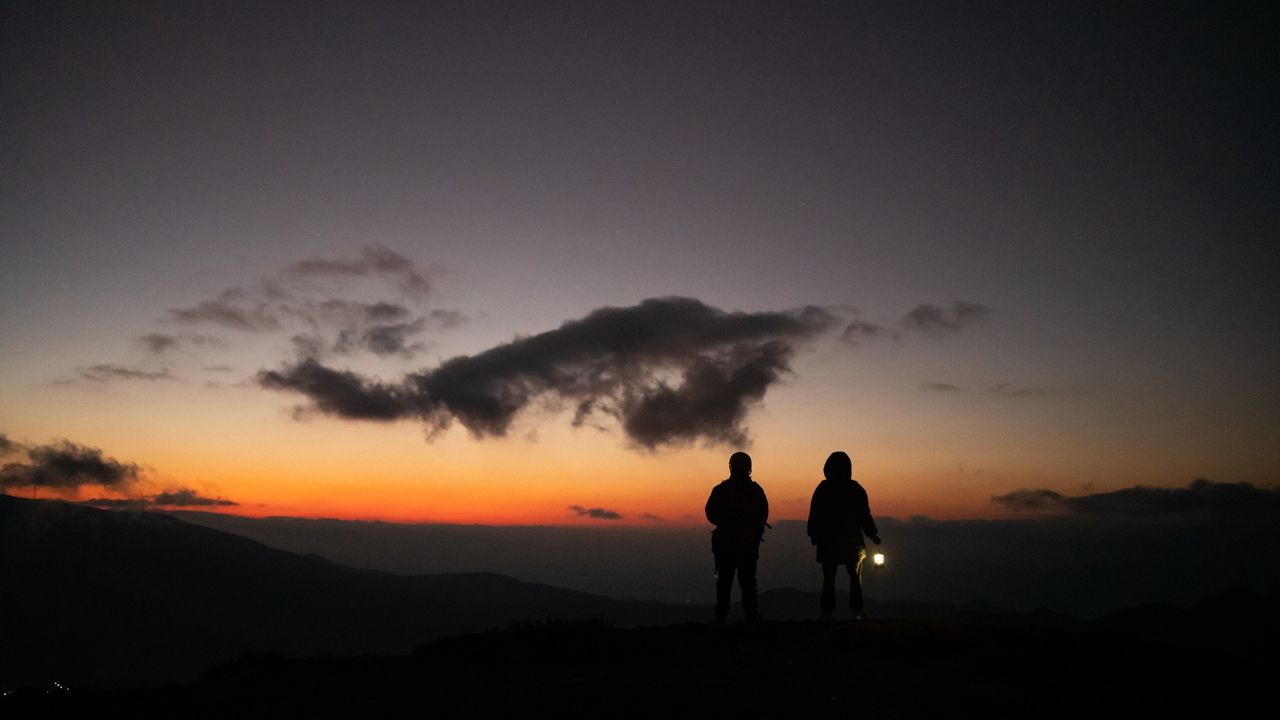
Venus, the Evening Star, is set to bid farewell to the evening sky as it gradually moves into the morning dawn. Since late March, this dazzling planet has been the most visible celestial object after sunset, sometimes even outshining other planets like Jupiter and Mercury. However, its reign as the Evening Star is expected to end before October concludes.
Venus orbits the sun in a highly predictable rhythm, completing nearly 13 orbits in just eight Earth years. This regular cycle, noticed by ancient civilizations including the Aztecs and Mayans, gives Venus its distinctive personality. In 2026, its orbital pattern will closely resemble that of 2018, differing by only about two days.
This year's farewell is particularly low-key due to Venus's low position in the southwest horizon after sunset. The best viewing opportunities this month are Sept. 7, when Venus sets about 1¼ hours after sunset, and Sept. 14, when a waxing crescent moon appears near Venus. By late September, Venus will set just 35 minutes after sunset, making it a fleeting target in the fading twilight.
Despite this seemingly low-key farewell, Venus's transformation from evening to morning star promises a spectacular return. By the end of October, Venus will have moved from the evening sky into the morning dawn, reaching inferior conjunction on Oct. 24, passing near the sun. By November, Venus will reappear in the morning sky as a brilliant "Morning Star," shining high in the eastern sky before sunrise.
Written by urgent.news from Space.com's reporting — not their text. Machine-written — may contain errors; check the original before relying on it.