Tan Cheng Lock desak perlindungan hak wanita, dedah cucu
Tan Siok Choo kata pengasas MCA itu amat bimbang akan hak balu dan terkesan dengan amalan abdi 'mui tsai'.
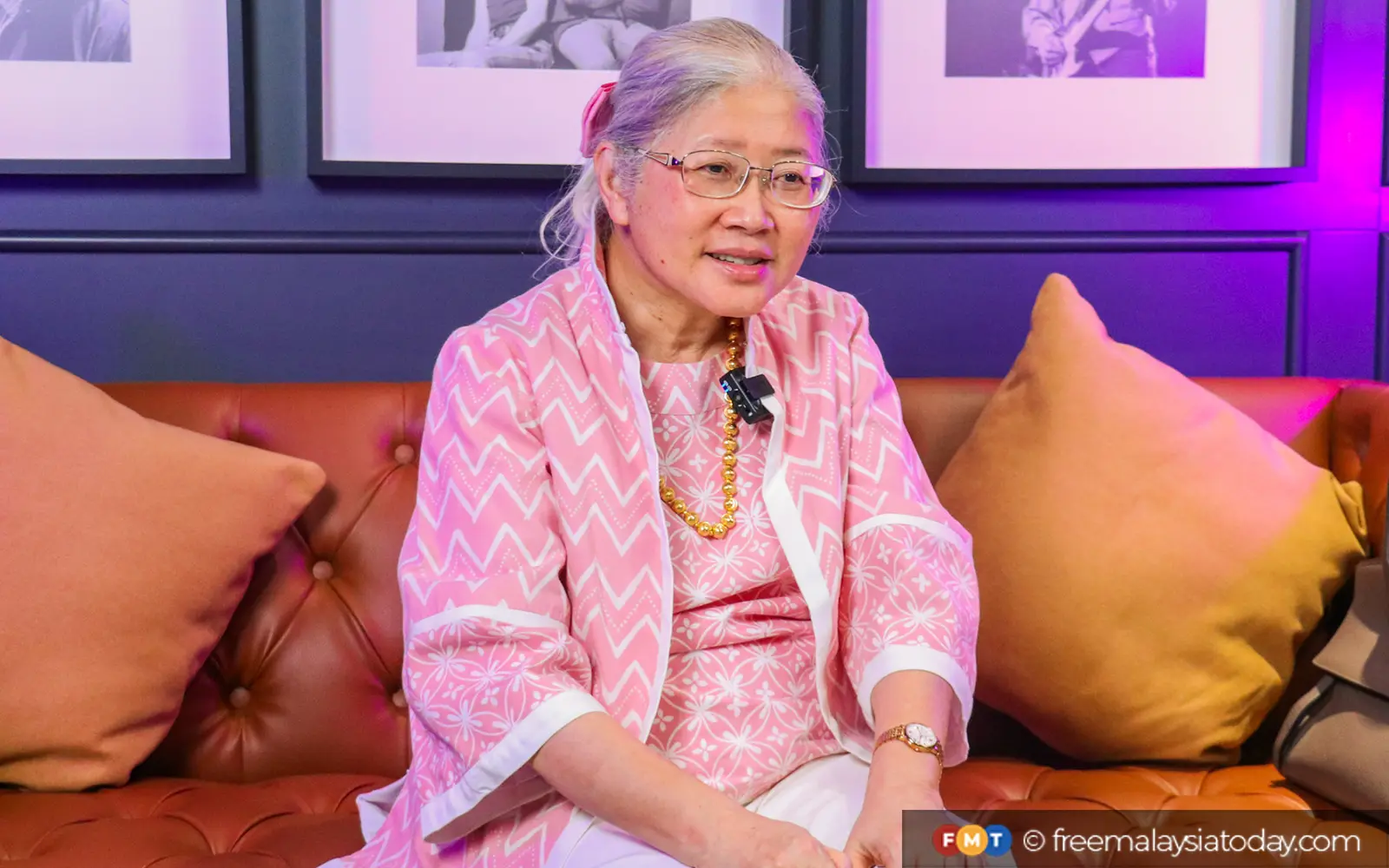
Tan Cheng Lock, a renowned political figure, business leader, and one of the founders of Malaysia, was a staunch advocate for women's rights, according to his daughter, Tan Siok Choo. Cheng Lock championed the enactment of the Civil Marriage Act before the nation's independence to safeguard women's inheritance rights, according to Siok Choo.
The Chinese marriage tradition, especially customary marriages, is intricate with no written rules governing its conduct. They merely need to offer sacrifices at the ancestral altar, declare their marriage, and conclude, stated Siok Choo in an interview with FMT. Siok Choo, 73, remarked to FMT following the release of her father's biography, "One Country, One People: The Life and Legacy of Tun Tan Cheng Lock," co-authored with academic Heng Pek Koon.
She pointed to the high-profile 1908 case of Six Wives, where six women claimed to be the widow's concubines, seeking a share of the deceased man's estate. Siok Choo's father felt deeply distressed by this injustice towards women. He remarried his mother under the Civil Marriage Act, showcasing his unwavering commitment to this cause.
Cheng Lock also fought for the abolition of the mui tsai system, a once-pervasive Chinese practice where poor girl children were taken as servants or laborers by wealthy families, often subjected to harsh treatment. Similar protection was scant, and Cheng Lock fought for the Ordinance on Mui Tsai in 1932, which provided minimal legal protection.
He was aided by the fact that Hong Kong had already implemented it. Siok Choo added that Cheng Lock also amended his will to provide an equal share of his estate to his two aunts, Alice and Agnes Tan, and his late father's brother, former Finance Minister Tan Siew Sin, after encountering a woman who was forced into prostitution after her father left nothing to her in the will.
The woman was unwed, uneducated, and abandoned by her brother despite his responsibility to support her. This incident deeply troubled Siok Choo, prompting her father to amend his will. His father married in February 1947, prompting Cheng Lock to amend his will before his father's marriage, even if it was shortly after his birth.
Written by urgent.news from Free Malaysia Today's reporting — not their text. Machine-written — may contain errors; check the original before relying on it.
This story
This is one outlet's version. Read the fullest account.
- Tan Cheng Lock pushed to protect women’s rights, says granddaughter freemalaysiatoday.com