Scientists use lasers and AI to hear how Jurassic insects may have sounded
Scientists have recreated the calls of nine Jurassic insect species that lived 165 million years ago. Using fossilised wings, laser measurements, computer modelling and AI, researchers found that some insects made clear chirping sounds, while one species may have produced ultrasonic calls above the human hearing range.
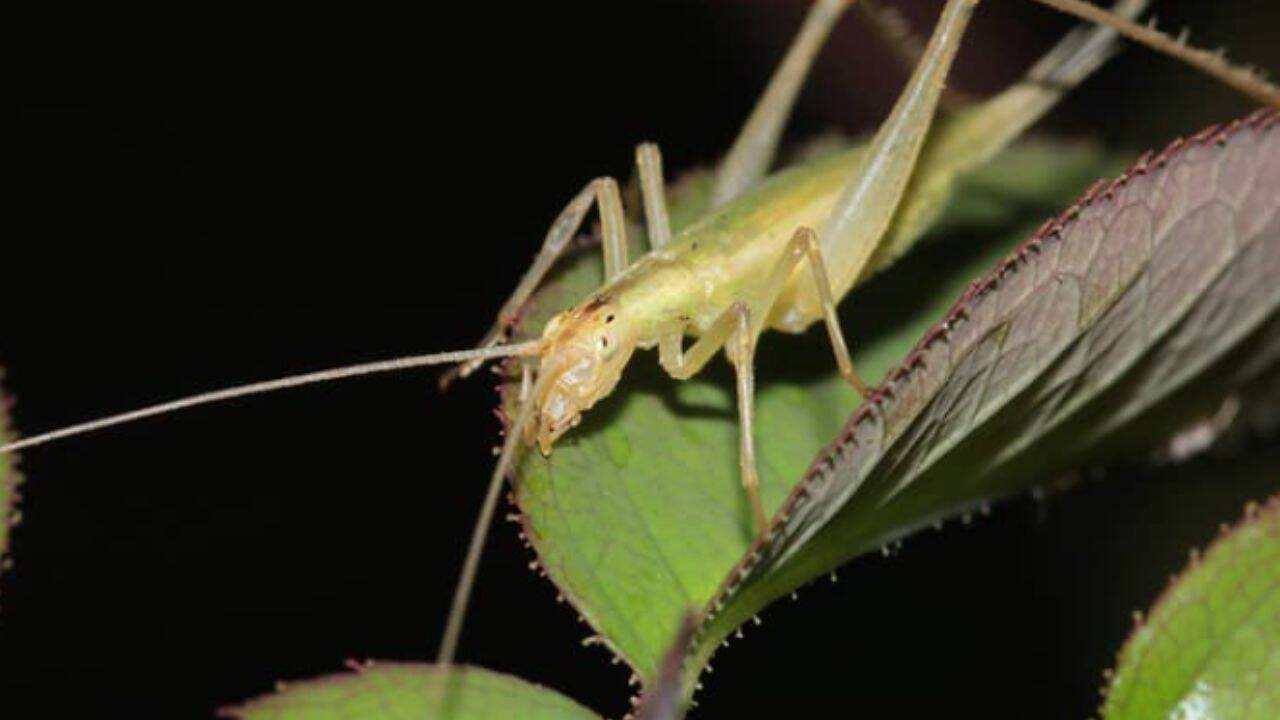
Scientists have used lasers and artificial intelligence to recreate the sounds made by Jurassic insects, shedding light on the auditory landscape of the prehistoric era. The research, published in the Proceedings of the National Academy of Sciences, focused on nine extinct insect species related to modern crickets and katydids, studying 20 fossil specimens found in Inner Mongolia, China.
By examining the fossilized wings, which preserved structures used for sound production, researchers were able to model how these insects produced their calls using a process called stridulation. This process involves rubbing body parts with ridged surfaces against each other, creating rapid clicks that blend into a continuous chirp.
The study revealed that some Jurassic insects, such as Sigmaboilus peregrinus, may have communicated using ultrasonic sounds, beyond the range of human hearing. The fossilized wings provided valuable insights into the precise structures responsible for sound production, allowing scientists to create computer models and predictions of the insects' sounds using machine learning techniques.
Brief written by urgent.news from Times of India's own syndicated text. Machine-written — may contain errors; check the original before relying on it.