Over half the risk for postpartum psychosis is tied to genetics, large study finds
A new study indicates that over half the risk for postpartum psychosis is driven by genetics. The findings provide evidence that the condition is a biological vulnerability rather than just a psychological reaction to childbirth.
A recent study in Molecular Psychiatry has revealed that postpartum psychosis, a severe but rare mental health disorder, is significantly influenced by genetic factors, accounting for about half of the risk. The research, led by Seulgi Jung and Behrang Mahjani from the Icahn School of Medicine at Mount Sinai, analyzed data from over 1.6 million mothers in the Swedish national registers.
Postpartum psychosis, which affects approximately 1 to 2 out of every 1,000 mothers shortly after childbirth, involves sudden onset symptoms like mania, severe depression, confusion, and psychosis. This condition poses serious risks to both the mother and infant, often requiring immediate medical intervention.
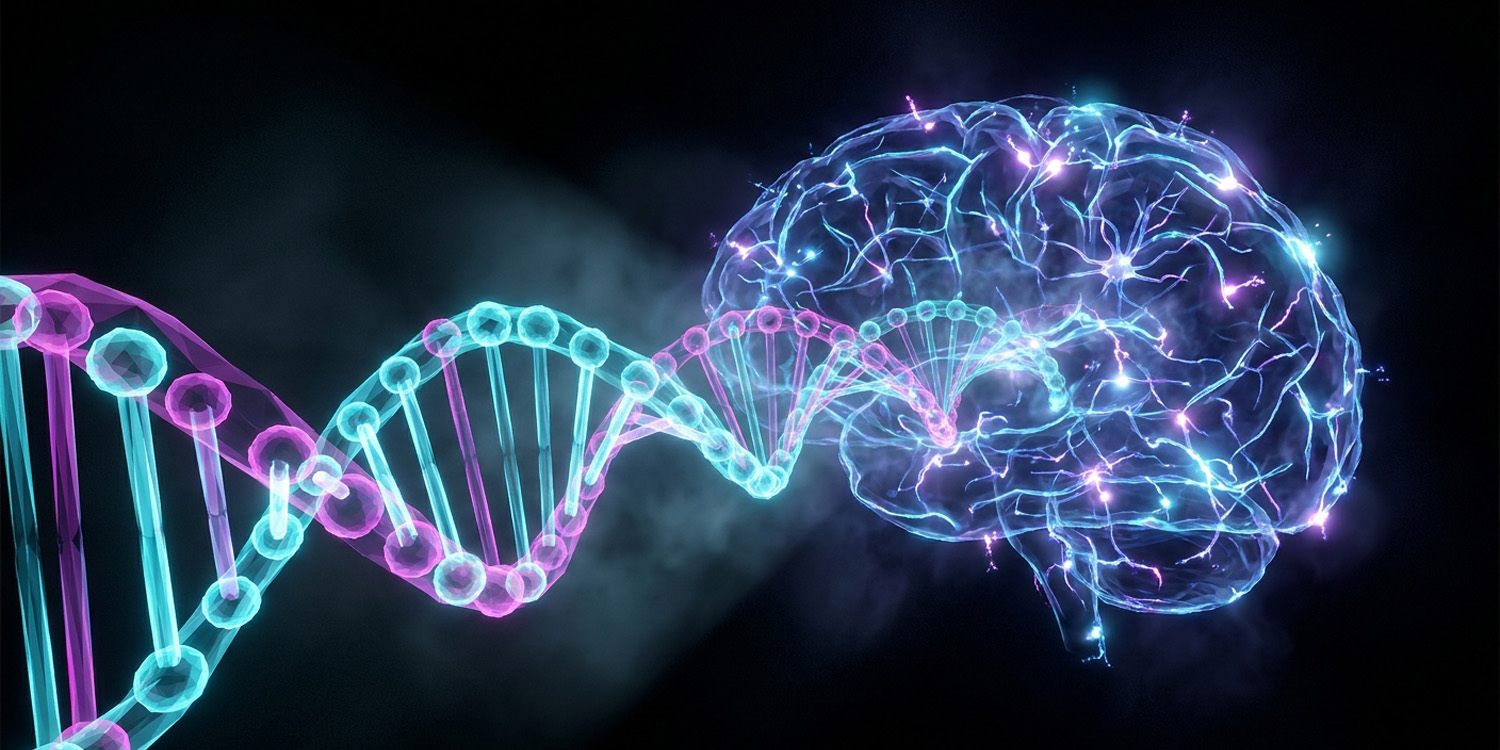
The study found that the heritability of postpartum psychosis is substantial, at 55 percent, similar to rates observed in bipolar disorder and schizophrenia. While common genetic variations explained about 45.6 percent of the risk, rarer genetic changes, particularly protein-truncating variants in highly constrained genes, also contributed significantly.
Among the identified genes, HMGCR, involved in cholesterol production, and DNMT1, which plays a role in DNA regulation, emerged as particularly noteworthy. These findings highlight the importance of genetic research in understanding and potentially preventing this severe mental health disorder, emphasizing the need for further investigation into the complex interplay of genetic and biological factors.
Written by urgent.news from PsyPost's reporting — not their text. Machine-written — may contain errors; check the original before relying on it.