Northern border insecurity: Poverty, unemployment can fuel extremist recruitment – Enoch Afoakwah
By Ashiadey Dotse Member of the NPP Legal Directorate, Lawyer Enoch Afoakwah, has warned that poverty, unemployment and a lack of opportunities in northern Ghana could increase the vulnerability of young people to extremist recruitment. He said young people struggling to find jobs and improve their living conditions could become targets for violent extremist groups […]
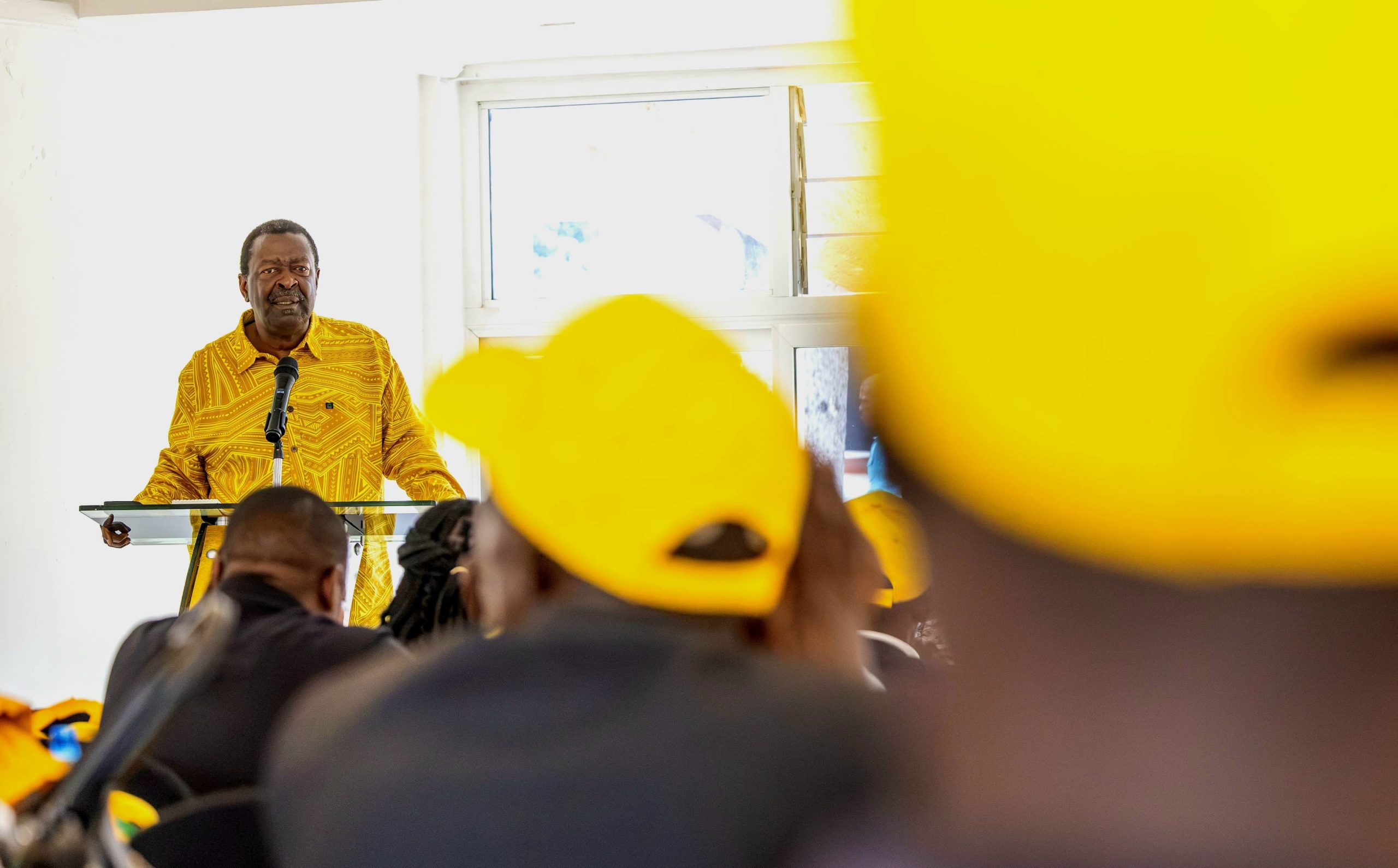
Lawyer Enoch Afoakwah, a member of the NPP Legal Directorate, has cautioned that poverty and unemployment in northern Ghana could make young people more susceptible to extremist recruitment. Speaking on GTV’s Current Agenda, he highlighted that individuals facing financial hardship and lacking opportunities may turn to violent extremist groups offering financial support or other advantages.
The arrest of over 300 people between 2023 and 2025 on suspicion of extremist recruitment along Ghana’s northern border is a stark reminder of the urgent need to address these issues. Afoakwah explained that extreme poverty and a lack of hope in the northern regions of the country could foster frustration, making people more likely to respond positively to extremist offers of financial assistance or opportunities.
He referred to the frustration-aggression theory, which posits that challenging social and economic conditions can lead to frustration and potentially dangerous behavior, thereby threatening national security. Moreover, Afoakwah warned that extremist groups might exploit feelings of marginalization, segregation, and economic exclusion to convince young people that the government has failed to deliver basic services and opportunities.
He emphasized the importance of tackling economic and social factors that could render communities vulnerable to extremist recruitment, alongside enhancing security measures. Afoakwah stressed the necessity of focusing on youth and graduate unemployment, urging the government to pay greater attention to the conditions faced by young people.
He also recommended stricter measures to prevent extremist groups from benefiting from illegal activities such as money laundering, illegal arms sales, and drug trafficking. Drawing a parallel to the Liberian civil war, Afoakwah suggested that Ghana can learn from how armed groups seized control of valuable natural resources and received external support.
Regarding the government's security response, Afoakwah urged the authorities to properly allocate resources to security agencies and improve cooperation among them. He cautioned against publicly disclosing sensitive security plans, arguing that such information could aid criminals and extremist groups in identifying weaknesses in Ghana's security infrastructure.
Afoakwah stressed the importance of keeping security strategies confidential, stating that once opponents learn these secrets, they can prepare accordingly. Additionally, he advocated for enhanced border protection and intelligence sharing, especially given the ongoing security challenges in the Sahel and the wider West African region.
Afoakwah stressed the need for Ghana to remain vigilant and safeguard its sovereignty in response to reports of alleged recruitment attempts into violent extremist groups. His remarks came in response to a disclosure by Majority Leader James Agalga, who revealed that over 300 individuals were arrested between 2023 and 2025 for suspected extremist recruitment along Ghana’s northern border.
Agalga also noted that security agencies recorded 47 cross-border incursions during the same period, underscoring the security threats Ghana faces despite its relative peace and stability.
Written by urgent.news from GBC Ghana's reporting — not their text. Machine-written — may contain errors; check the original before relying on it.
Also reported by 1 other outlet
- Restoring fuel subsidy could cripple 15 Northern states, OAU professor warns ripplesnigeria.com