Jhiram Ghati, turning point in the battle inside Red Corridor
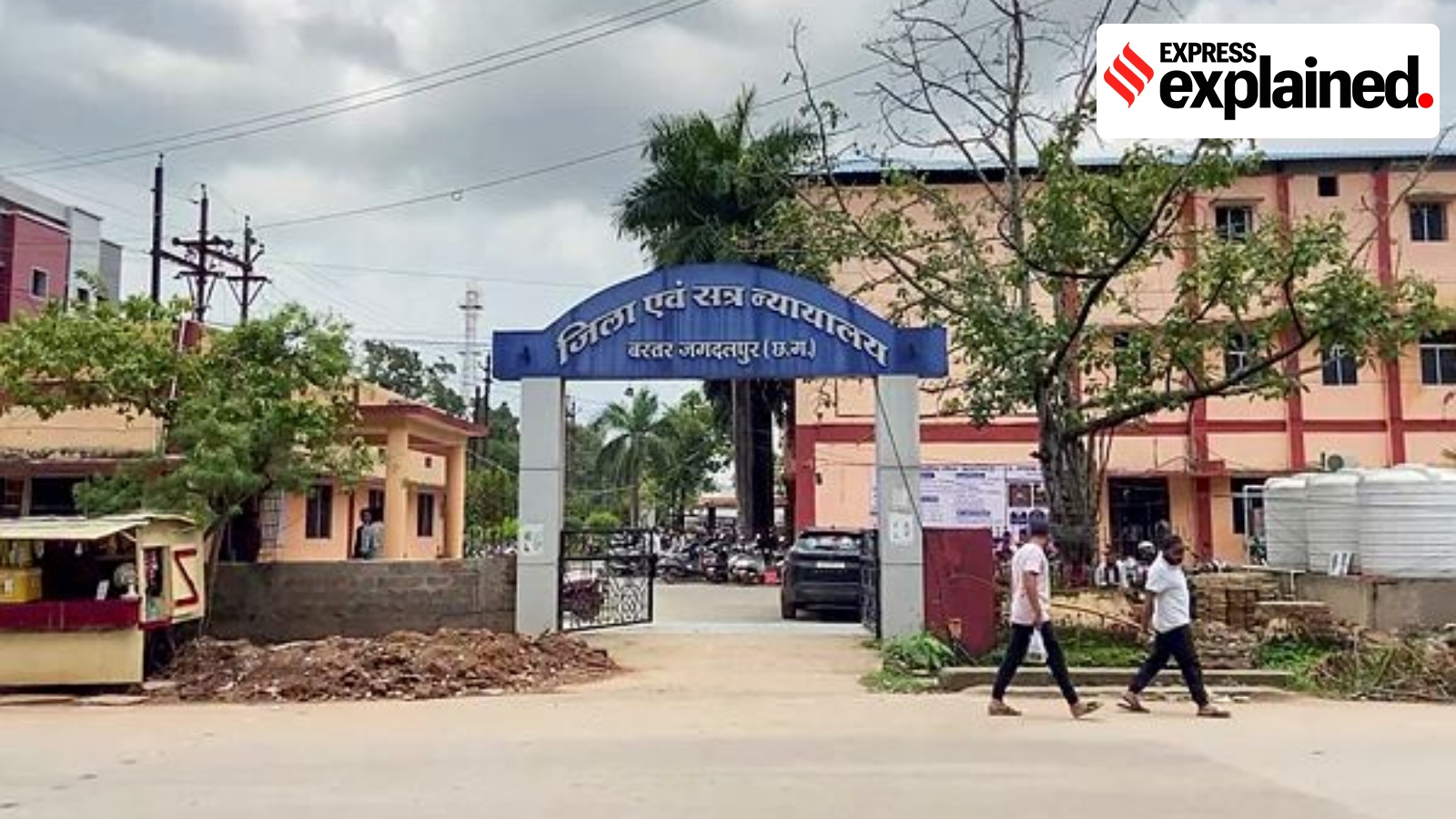
On May 25, 2013, Maoist insurgents launched a devastating attack on Jhiram Ghati in Chhattisgarh, killing key political figures and marking a turning point in the counter-insurgency efforts. The massacre, which targeted the political establishment, was a bold move by the Maoists to disrupt the government's strategy of establishing bases within their strongholds.
The attack included the deaths of former Chhattisgarh Congress president Nand Kumar Patel, his son Dinesh, and other prominent leaders such as Mahendra Karma, Vidya Charan Shukla, and Uday Mudliyar. Although the Centre had already begun mounting pressure on the Maoists since 2006, the Jhiram Ghati incident reinforced the resolve to tackle the insurgency.
The strategy of "clear, hold, and develop" was put into practice, with security forces entering Maoist strongholds, pushing them out, and allowing the civil administration to establish infrastructure. However, the attack highlighted the need for improved infrastructure, such as roads and communications, in the affected regions. The incident also underscored the importance of night evacuation capabilities, leading to increased use of helicopters for nighttime missions.
Following the attack, Union Home Minister Amit Shah took a keen interest in the counter-insurgency efforts, driving a more decisive and rapid approach to eliminating the Maoist threat. The result of this sustained strategy has been the construction of over 15,000 km of roads, installation of more than 9,000 mobile towers, and the establishment of nearly 200 new security camps in core Maoist areas.
Since 2010, Left Wing Extremist-related incidents and deaths have fallen by more than four-fifths, demonstrating the impact of the evolving strategy against the Maoist insurgency.
Written by urgent.news from The Indian Express's reporting — not their text. Machine-written — may contain errors; check the original before relying on it.
This story
This is one outlet's version. Read the fullest account.