Imam Turki bin Abdullah Royal Reserve showcases unique biodiversity in northeast Saudi Arabia
Imam Turki bin Abdullah Royal Reserve, Saudi Arabia’s second largest, features diverse landscapes and rich habitats supporting abundant wildlife.
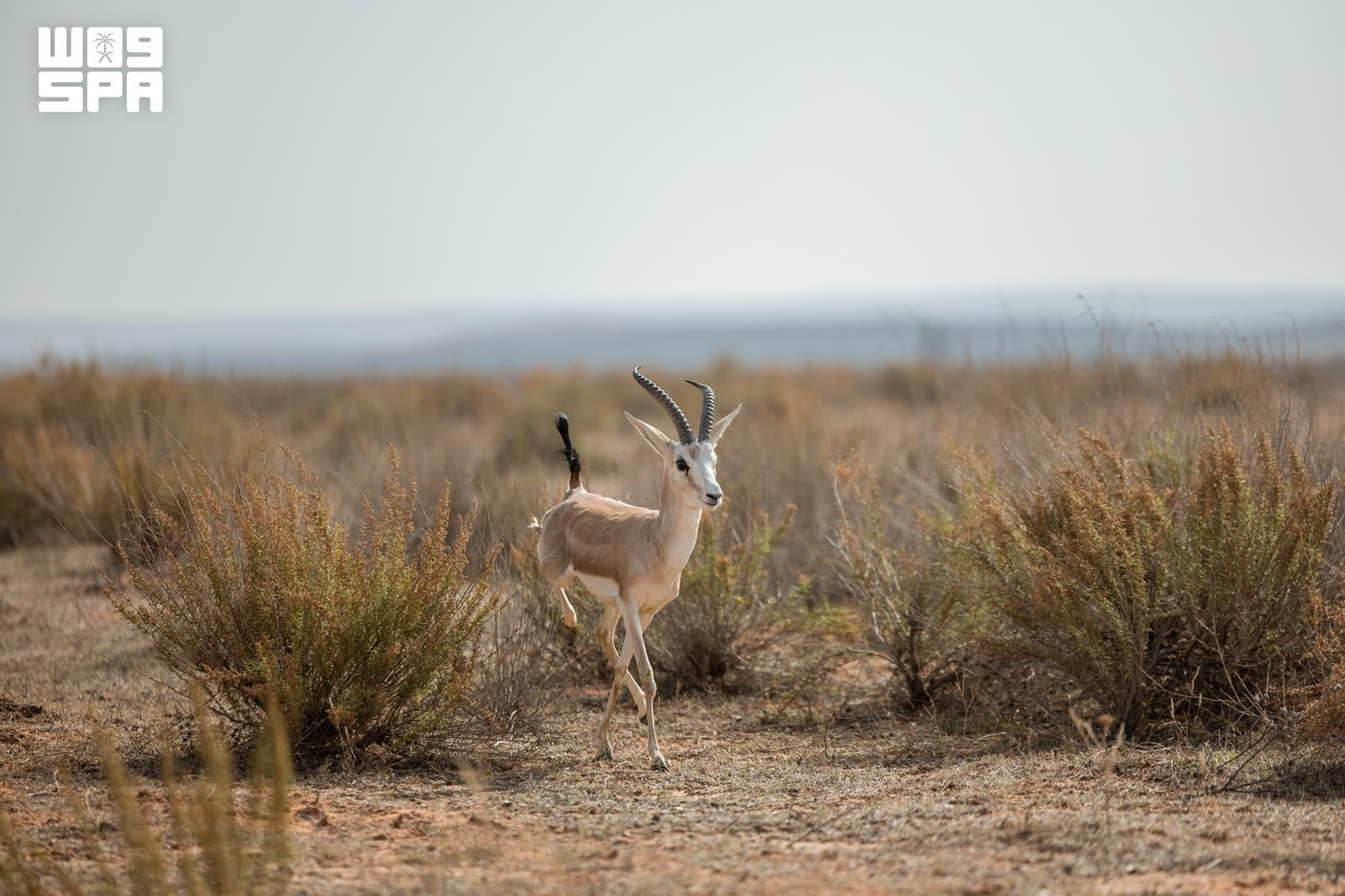
The Imam Turki bin Abdullah Royal Reserve, a substantial 91,500 square kilometers in northeastern Saudi Arabia, stands as the nation's second-largest royal reserve. Spanning a wide range of terrains such as sand dunes, plains, mountains, plateaus, steppes, valleys, and depressions known as fayadh, the reserve boasts a distinct blend of sand dunes and lush vegetation.
The predominant sand dunes foster desert flora like Haloxylon, Calligonum, Rhanterium, and Lycium, while seasonal valleys and watercourses facilitate the growth of woody plants. The reserve's rich plant cover comprises hundreds of species from dozens of families, notably Acacia, Ziziphus, Calligonum, Haloxylon, Rhanterium, and Lycium.
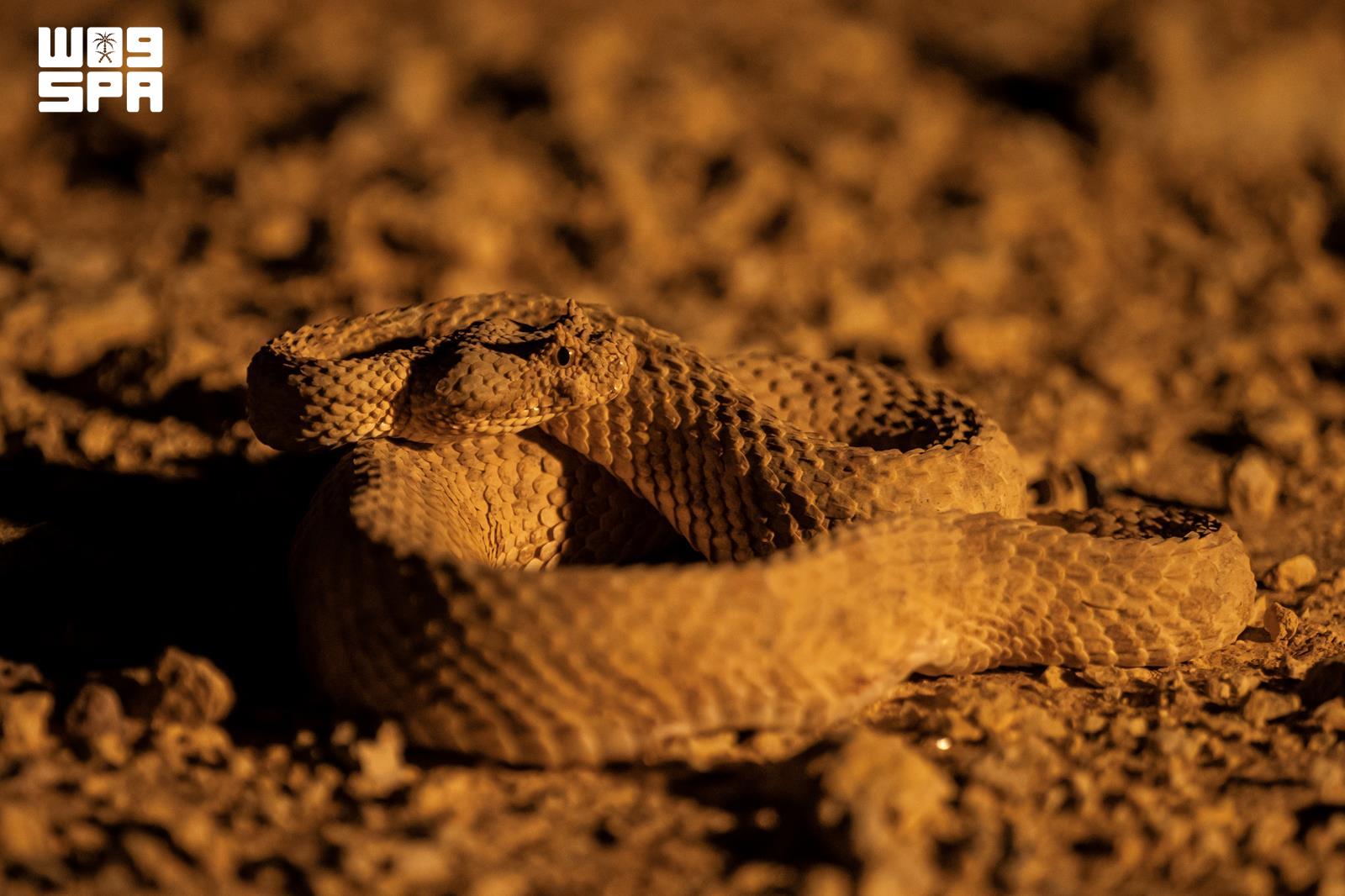
This biodiversity, deeply rooted in the reserve's varied and climatically diverse landscapes, supports a wealth of wildlife, including mammals, birds, reptiles, and invertebrates. The authority overseeing the reserve diligently manages its conservation efforts, focusing on restoring habitats, expanding plant cover, and reintroducing native species.
By regulating human activities and implementing sustainable practices, the reserve exemplifies large-scale natural ecosystem management, offering a promising model for habitat restoration, wildlife preservation, and sustainable ecotourism development.
Written by urgent.news from Ajel English's reporting — not their text. Machine-written — may contain errors; check the original before relying on it.