Horned field viper shows remarkable adaptation to northern Saudi deserts
The horned field viper stands out in northern Saudi Arabia for its exceptional camouflage and adaptation to harsh desert environments.
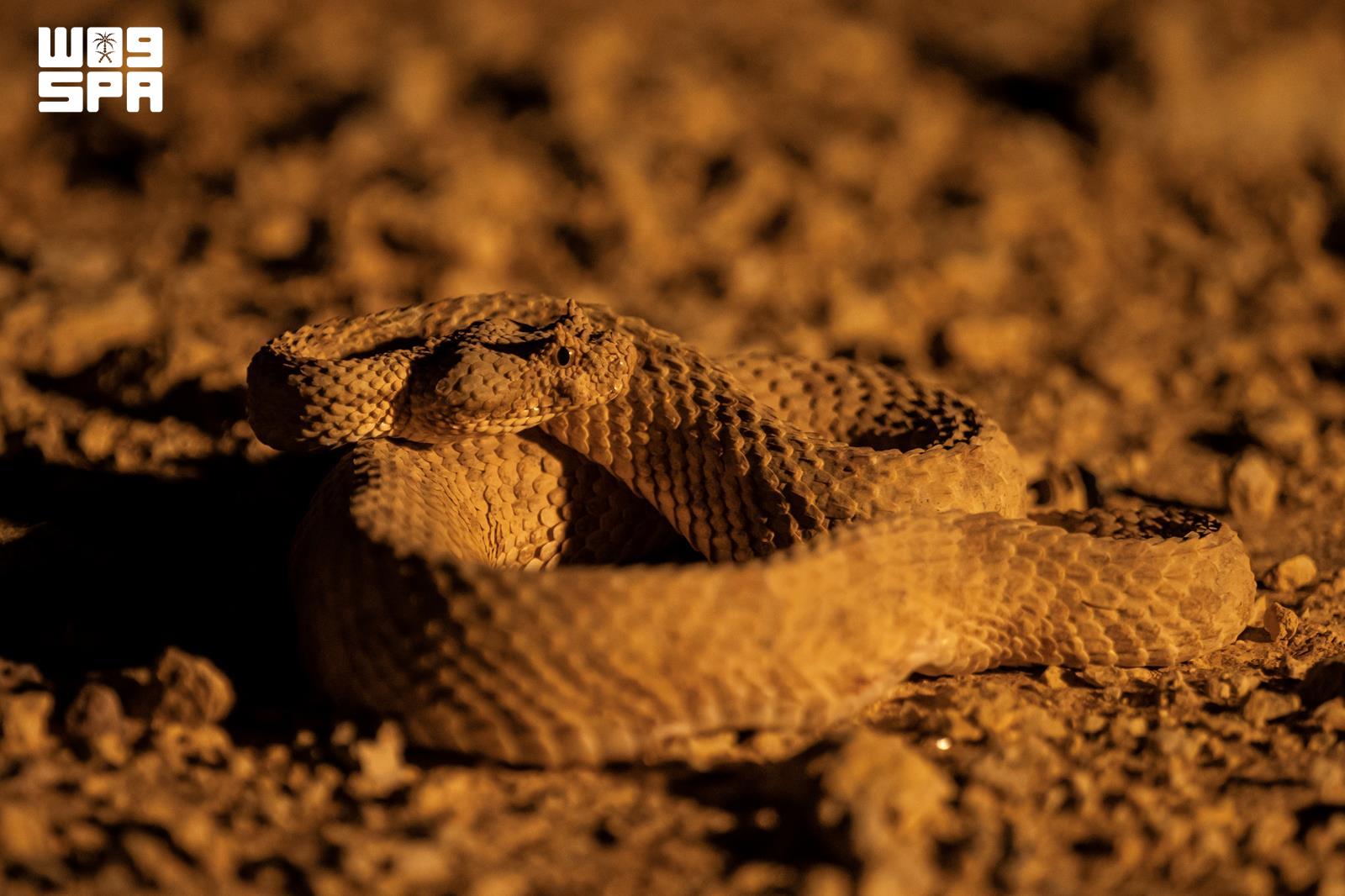
The horned field viper, a remarkable species, has been observed thriving in the northern deserts of Saudi Arabia. This unique reptile, scientifically known as Pseudocerastes fieldi, is also referred to as Field's horned viper or the false horned viper. Its habitat extends across the Middle East, where it is commonly found in arid, rocky, and gravelly terrains.
One of the most striking features of the horned field viper is its broad, triangular head which distinctly separates from its neck. It also possesses a short snout and most notably, horn-like protrusions above its eyes. These protrusions are formed by overlapping small scales, a distinguishing characteristic of the species. Its body coloration, ranging from brown to grey, mirrors the hues of its natural surroundings - soil and rocks - providing it with exceptional camouflage.
Adnan Khalifa, a representative from the Aman Environmental Association, shared insights about the viper's adaptability. He explained that the viper's body color and patterns allow it to blend seamlessly with rocks and soil, making it nearly invisible in its desert habitat. The viper is an active hunter, preying on small animals including rodents, lizards, and birds, thus playing an integral role in the desert food chain.
Khalifa emphasized the importance of respecting the horned field viper and other reptiles in their natural habitats. He stressed that the safety of both humans and wildlife is paramount, suggesting that one should keep a safe distance if encountering the viper and avoid attempting to handle it. He also highlighted the necessity of protecting reptiles and native species in their natural habitats, and the need to avoid disturbing them.
This, Khalifa suggested, would contribute to the preservation of biodiversity and the maintenance of ecological balance.
Written by urgent.news from Ajel English's reporting — not their text. Machine-written — may contain errors; check the original before relying on it.