How can future doctors blend clinical rigour with AI fluency and empathy?
Medical experts have stressed that Hong Kong’s next generation of healthcare professionals must combine clinical rigour with emotional resilience, an open-minded approach to artificial intelligence (AI) and the drive to transform the sector. The remarks came during a panel on the first day of the Global Education Summit, co-organised by the South China Morning Post and HSBC Premier. “We always…
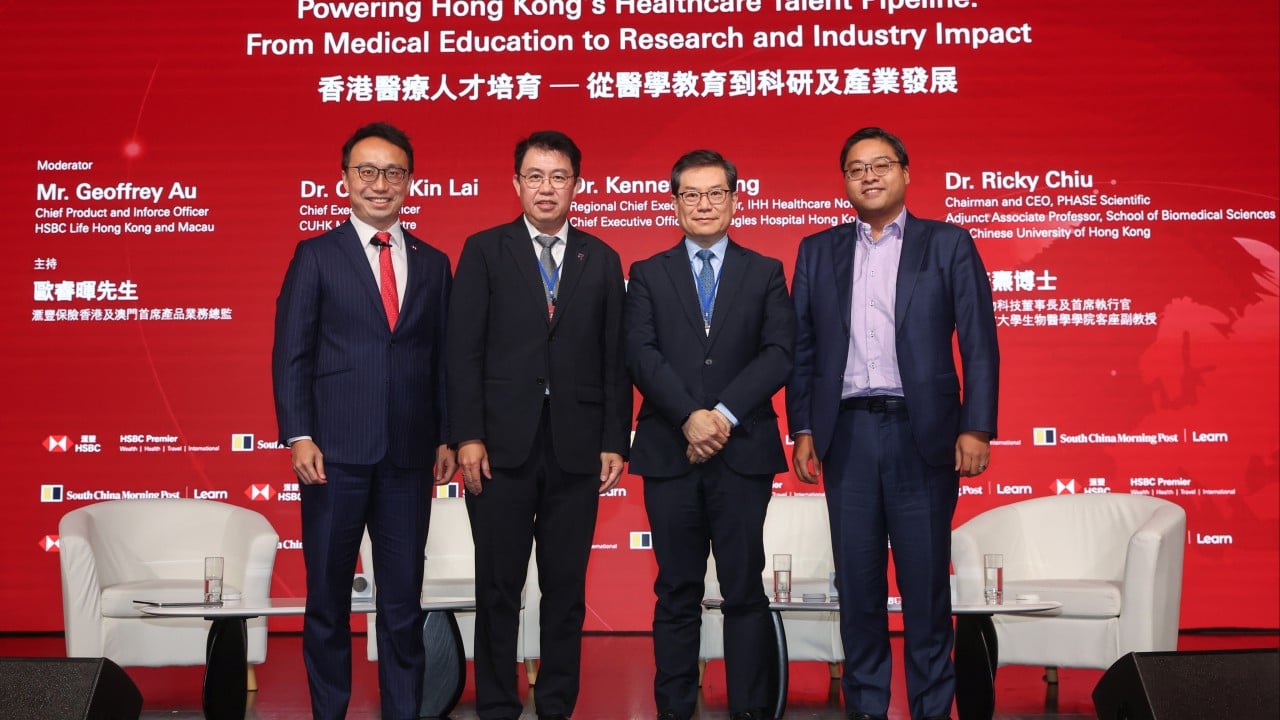
As Hong Kong's future healthcare professionals prepare to meet the demands of an evolving medical landscape, medical experts are urging them to blend clinical rigor with emotional resilience, an open-minded attitude towards artificial intelligence (AI), and the ability to provide empathetic patient care. This advice was shared during the Global Education Summit, co-organized by the South China Morning Post and HSBC Premier, and focused on the first day of the summit.
Dr. Chung Kin-lai, CEO of CUHK Medical Centre, emphasized that future doctors will no longer serve only Hong Kong's seven million residents, but a much larger population of 18 million people. He stressed that doctors must adopt a global perspective, as they will be dealing with a much broader patient base.
Throughout the panel discussion, titled "Powering Hong Kong’s Healthcare Talent Pipeline: From Medical Education to Research and Industry Impact," experts highlighted the changing nature of clinical evaluations for future doctors. Soft skills and interpersonal abilities are becoming increasingly vital, as the internet and AI have rendered traditional metrics less relevant. Dr. Chung explained that memorization is no longer a critical factor, as information can easily be accessed through digital means.
Dr. Kenneth Tsang, regional CEO of IHH Healthcare North Asia and CEO of Gleneagles Hospital Hong Kong, pointed out a generational divide in the adoption of AI technology. Older doctors are more resistant to incorporating AI into their practice, while younger physicians demonstrate a strong openness to embracing these tools. Therefore, medical institutions are actively seeking young talent with a demonstrated understanding of AI and its applications in healthcare.
Dr. Ricky Chiu, chairman and CEO of PHASE Scientific and adjunct professor at the Chinese University of Hong Kong, emphasized the importance of asking insightful questions rather than simply memorizing answers. He advised students to learn how to formulate questions that AI cannot easily answer, such as exploring the reasons behind underutilization of certain healthcare tests or the challenges faced by women in accessing essential services.
Beyond clinical practice, the panel explored various avenues for doctors to contribute to the healthcare sector. Dr. Chiu outlined three primary ways: treating patients, educating other medical professionals, and developing healthcare tools. He stressed that medicine is a lifelong commitment, requiring a significant time investment – often between 12 to 15 years – and urged students to ensure that their choice of medicine stems from a genuine passion and long-term dedication.
The panel also addressed the qualities that tech and innovation leaders seek in the next generation of healthcare professionals. Beyond academic excellence, they emphasized the importance of curiosity, adaptability, problem-solving abilities, and resilience. Additionally, maintaining a lifelong thirst for learning and building strong interpersonal relationships with empathy were deemed essential qualities for success in the rapidly evolving medical field.
Written by urgent.news from South China Morning Post's reporting — not their text. Machine-written — may contain errors; check the original before relying on it.