Herbal Medicine: Less than 15% practitioners registered
The Traditional Medicine Practice Council (TMPC) has disclosed that less than 15 per cent of more than 100,000 traditional medicine practitioners in the country are currently registered in its database.
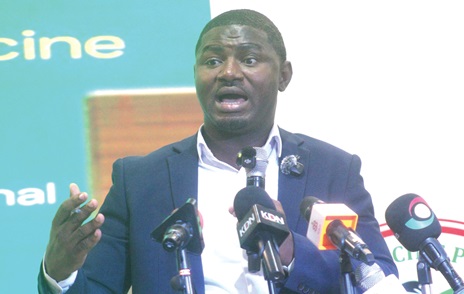
The Traditional Medicine Practice Council (TMPC) has revealed that fewer than 15 percent of the country's over 100,000 traditional medicine practitioners are currently registered in its database. This low registration rate hinders the council's ability to effectively regulate the practitioners. TMPC Registrar, Dr (MH) Yakubu Tobor Yusuf, acknowledged this gap and explained that the council has been working with practitioner associations at the district level to increase registrations.
The council has also opened new regional and district offices to improve its accessibility to practitioners. During a media launch to celebrate the 2026 African Traditional Medicine Day in Accra, Yusuf disclosed that over 500 traditional medicine practice premises had been inspected, with some being closed due to potential public health risks.
Yusuf urged the public to only patronize licensed traditional medicine practitioners and products that have undergone the necessary regulatory processes. According to the council, every licensed practice premise must display its license, which is accompanied by a QR code for easy verification of the practitioner's status. The council is also collaborating with the Food and Drugs Authority (FDA) to ensure that products requiring certification and registration are referred to the authority.
Licensed practitioners are permitted to prepare fresh, unlabelled, and unbranded herbal preparations for patients, while products that are stored, labelled, or branded must be submitted to the FDA for certification and registration. Practitioners who operate without licenses face the possibility of prosecution and imprisonment, with a summary conviction carrying a penalty of up to 500 penalty units (or GH¢6,000), a two-year prison sentence, or both.
Yusuf highlighted that a traditional medicine practitioner in the Volta Region has already been arrested and is expected to face court for allegedly practicing without a license. The council is also working to improve the training of indigenous practitioners by reviewing a competency-based curriculum for herbalists, bone setters, birth attendants, and spiritual healers.
This curriculum will be taught in local languages and take into account the years of experience of the practitioners. Yusuf emphasized the need for greater investment in research to establish the safety, quality, and effectiveness of traditional medicine, given that about 70 percent of Ghana's population relies on herbal and traditional medicine as their primary healthcare.
Written by urgent.news from MyJoyOnline Ghana's reporting — not their text. Machine-written — may contain errors; check the original before relying on it.