From India to Durban: the South African story of the samoosa
From Indian migration and Cape food traditions to Durban’s distinctive fillings, the samoosa’s South African history is a story of movement, adaptation and belonging.
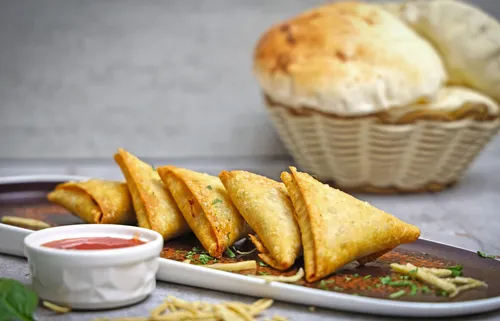
The samoosa, a small snack with a rich history, has become a beloved part of South African cuisine. Originating from filled pastries in Persia, Central Asia, the Middle East, and the Indian subcontinent, the samoosa has undergone numerous transformations as it traveled across regions. Indian communities arrived in Natal (now KwaZulu-Natal) as indentured workers in 1860, bringing their diverse languages, religions, and food traditions.
Over time, South African Indian food developed uniquely within its new environment, with the Durban samoosa standing out as a distinct variation. Unlike its counterpart in Cape Town, the Durban samoosa tends to be thin, crisp, and spicier, featuring fillings such as potato, mince, chicken, or even tinned fish. While the samoosa's roots stretch across Asia, its journey through various societies resulted in a diverse range of recipes.
Today, samoosas are no longer limited to special occasions but have become a common part of South African life, found at office meetings, school events, and even taxi ranks. This evolution demonstrates how living food traditions can adapt and thrive, retaining their significance while embracing new flavors and customs. Ultimately, the South African samoosa serves as a testament to the rich cultural heritage that continues to shape the nation's culinary landscape.
Written by urgent.news from IOL's reporting — not their text. Machine-written — may contain errors; check the original before relying on it.
This story
This is one outlet's version. Read the fullest account.